



Install Steam
sign in
|
language
简体中文 (Simplified Chinese)
繁體中文 (Traditional Chinese)
日本語 (Japanese)
한국어 (Korean)
ไทย (Thai)
Bahasa Indonesia (Indonesian)
Bahasa Melayu (Malay) BETA
Български (Bulgarian)
Čeština (Czech)
Dansk (Danish)
Deutsch (German)
Español - España (Spanish - Spain)
Español - Latinoamérica (Spanish - Latin America)
Ελληνικά (Greek)
Français (French)
Italiano (Italian)
Magyar (Hungarian)
Nederlands (Dutch)
Norsk (Norwegian)
Polski (Polish)
Português (Portuguese - Portugal)
Português - Brasil (Portuguese - Brazil)
Română (Romanian)
Русский (Russian)
Suomi (Finnish)
Svenska (Swedish)
Türkçe (Turkish)
Tiếng Việt (Vietnamese)
Українська (Ukrainian)
Report a translation problem


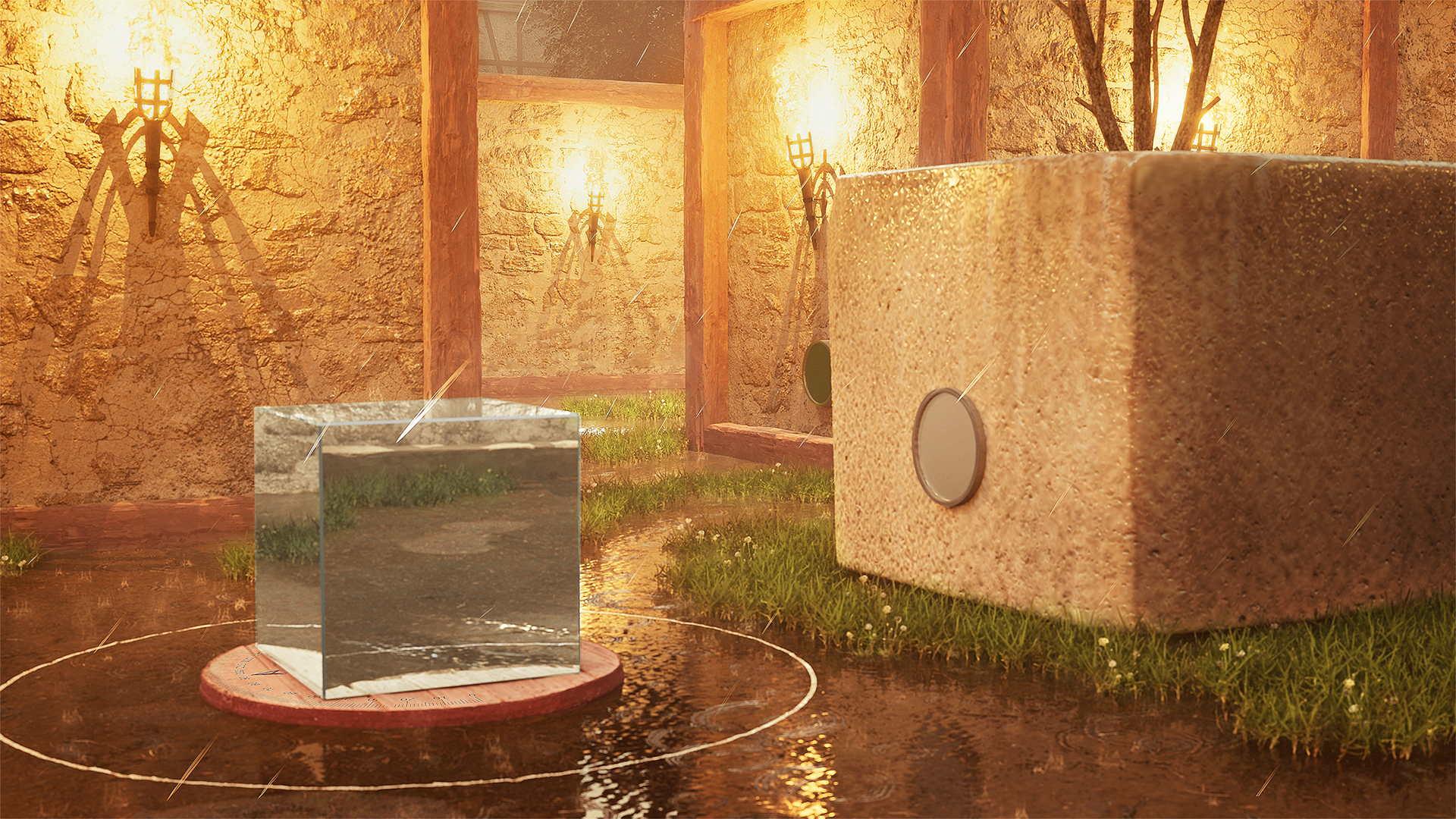




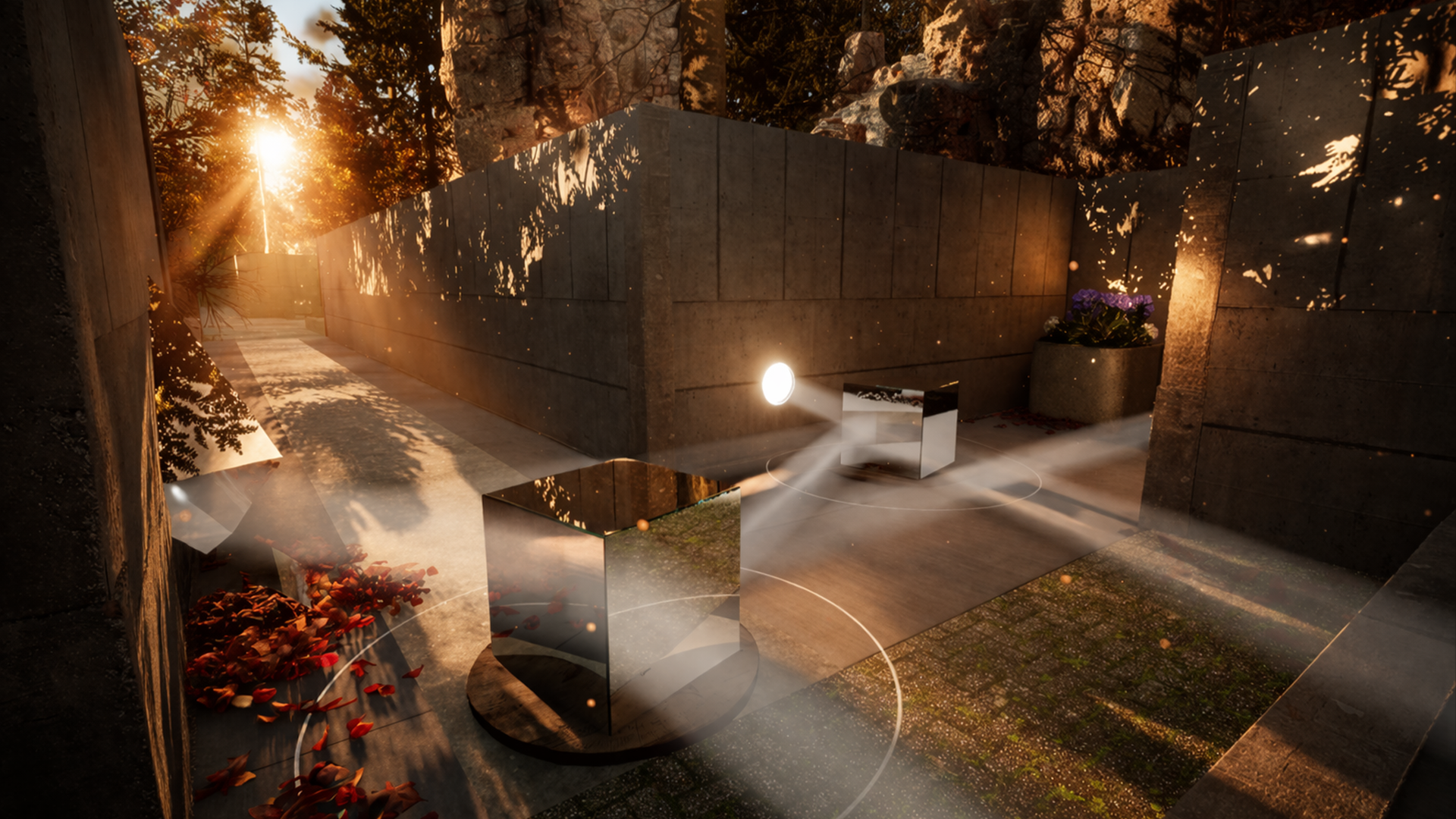


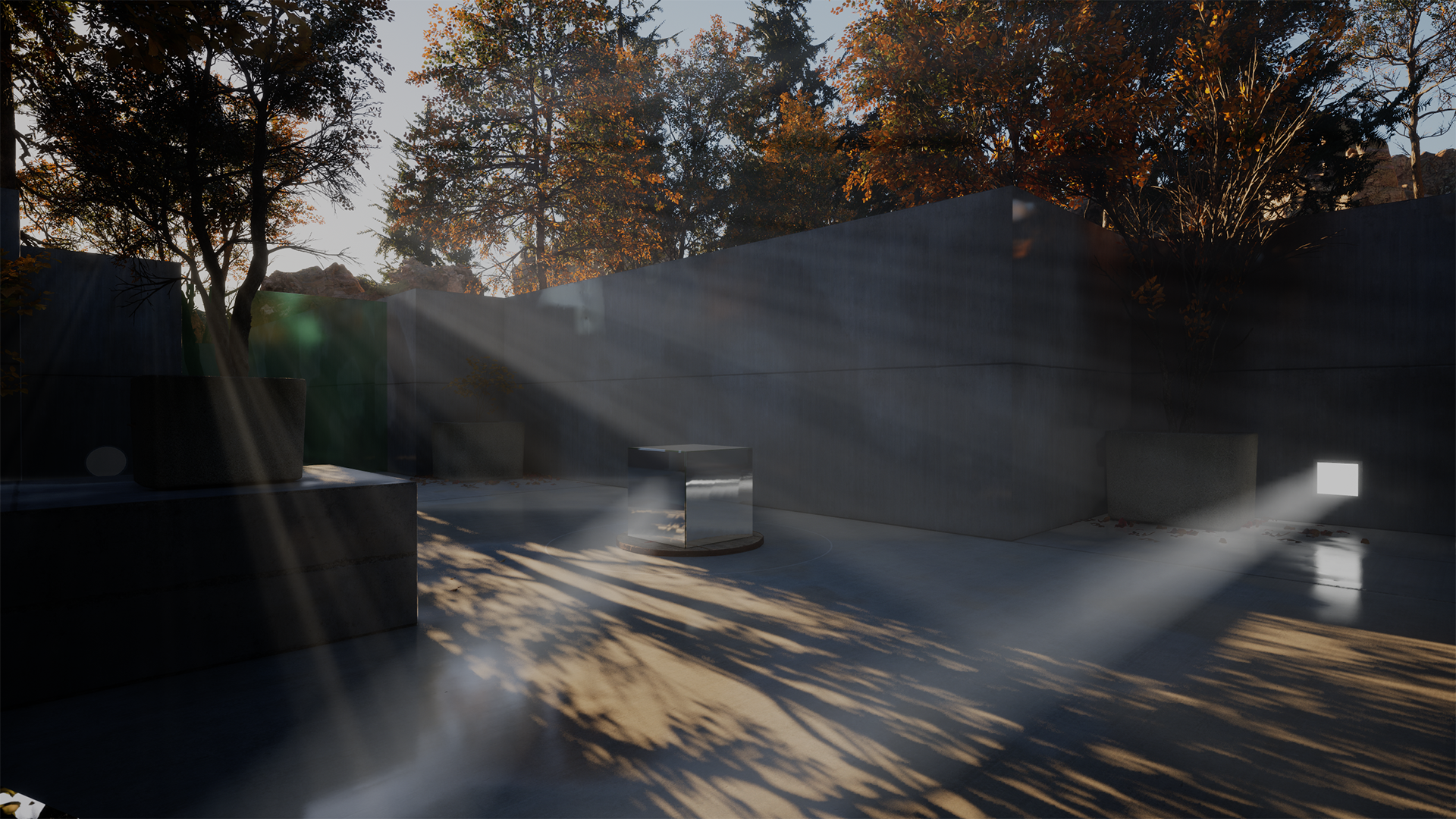 It's challenging to pinpoint the very first optical studies. Perhaps they were the early humans who used a mirrored surface on a lake to observe their prey while hunting from cover. Or maybe it was the first religious priests describing our world. However, one of the first documented reflections on theories of light came from ancient India. In the philosophical schools of Samkhya and Vaisheshika, approximately from the 6th to 5th century BCE, light was considered one of the five fundamental "subtle" elements from which gross elements arose.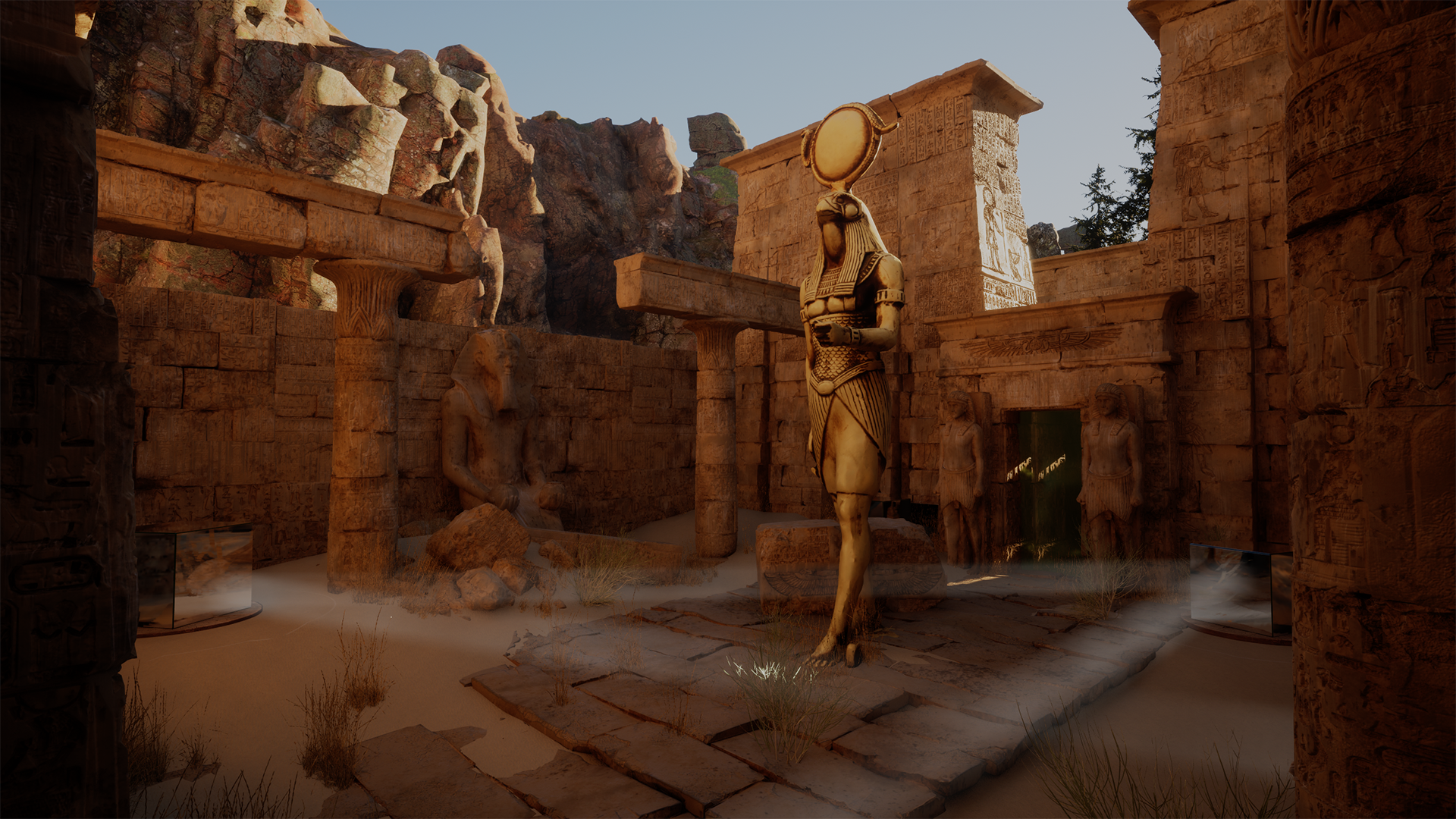


 0
0


 Loading

