



Install Steam
sign in
|
language
简体中文 (Simplified Chinese)
繁體中文 (Traditional Chinese)
日本語 (Japanese)
한국어 (Korean)
ไทย (Thai)
Български (Bulgarian)
Čeština (Czech)
Dansk (Danish)
Deutsch (German)
Español - España (Spanish - Spain)
Español - Latinoamérica (Spanish - Latin America)
Ελληνικά (Greek)
Français (French)
Italiano (Italian)
Bahasa Indonesia (Indonesian)
Magyar (Hungarian)
Nederlands (Dutch)
Norsk (Norwegian)
Polski (Polish)
Português (Portuguese - Portugal)
Português - Brasil (Portuguese - Brazil)
Română (Romanian)
Русский (Russian)
Suomi (Finnish)
Svenska (Swedish)
Türkçe (Turkish)
Tiếng Việt (Vietnamese)
Українська (Ukrainian)
Report a translation problem


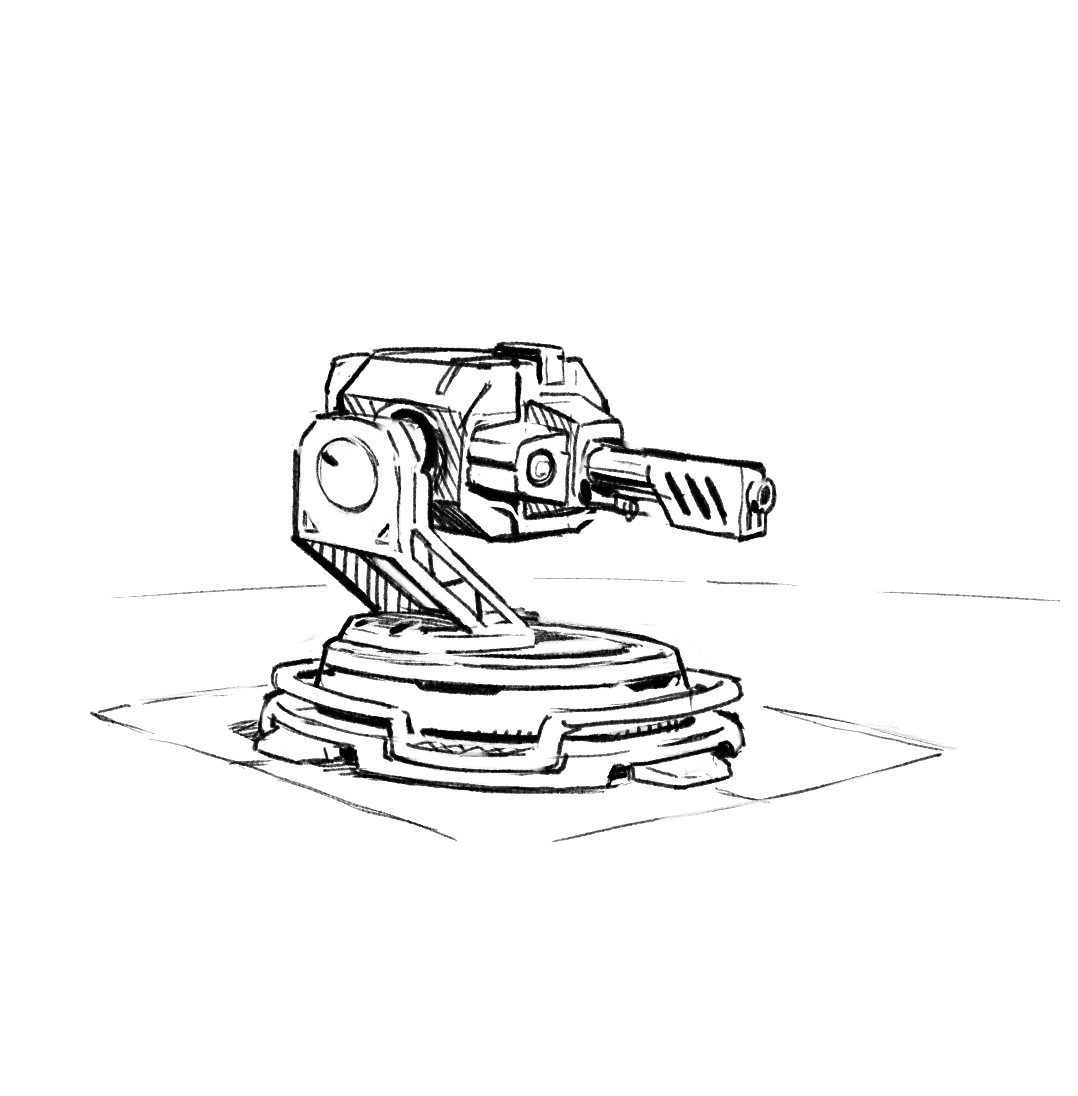
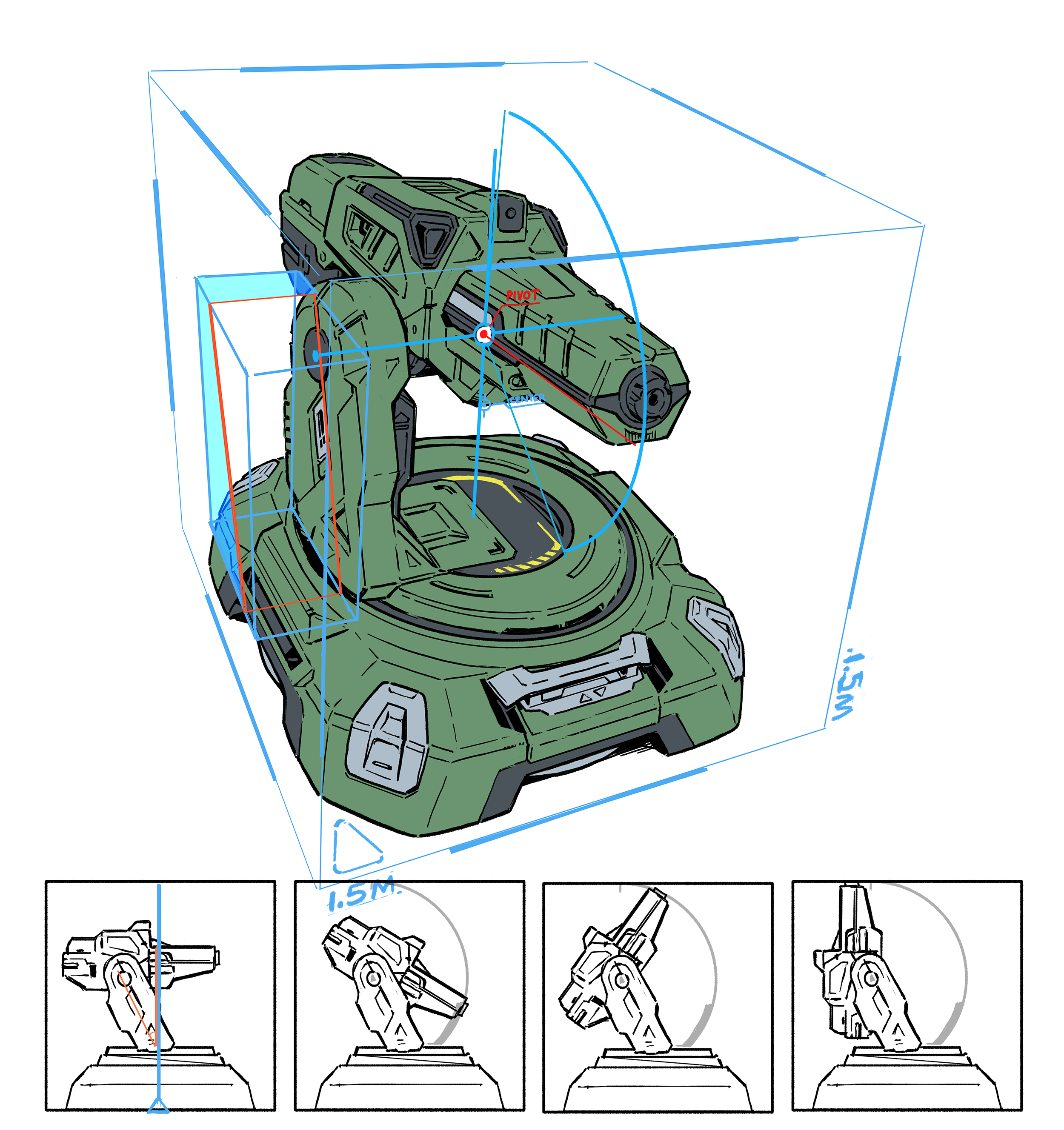
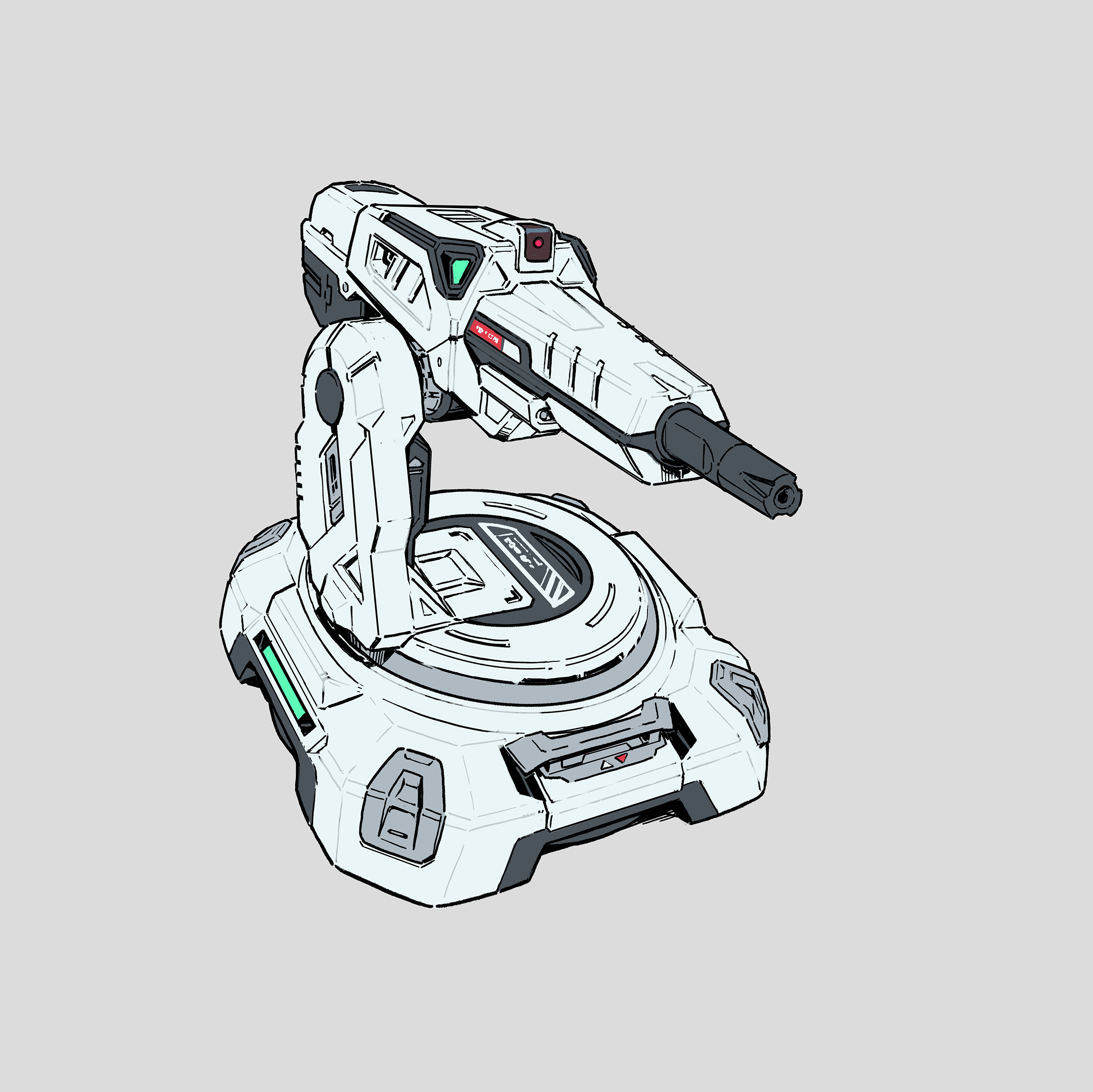
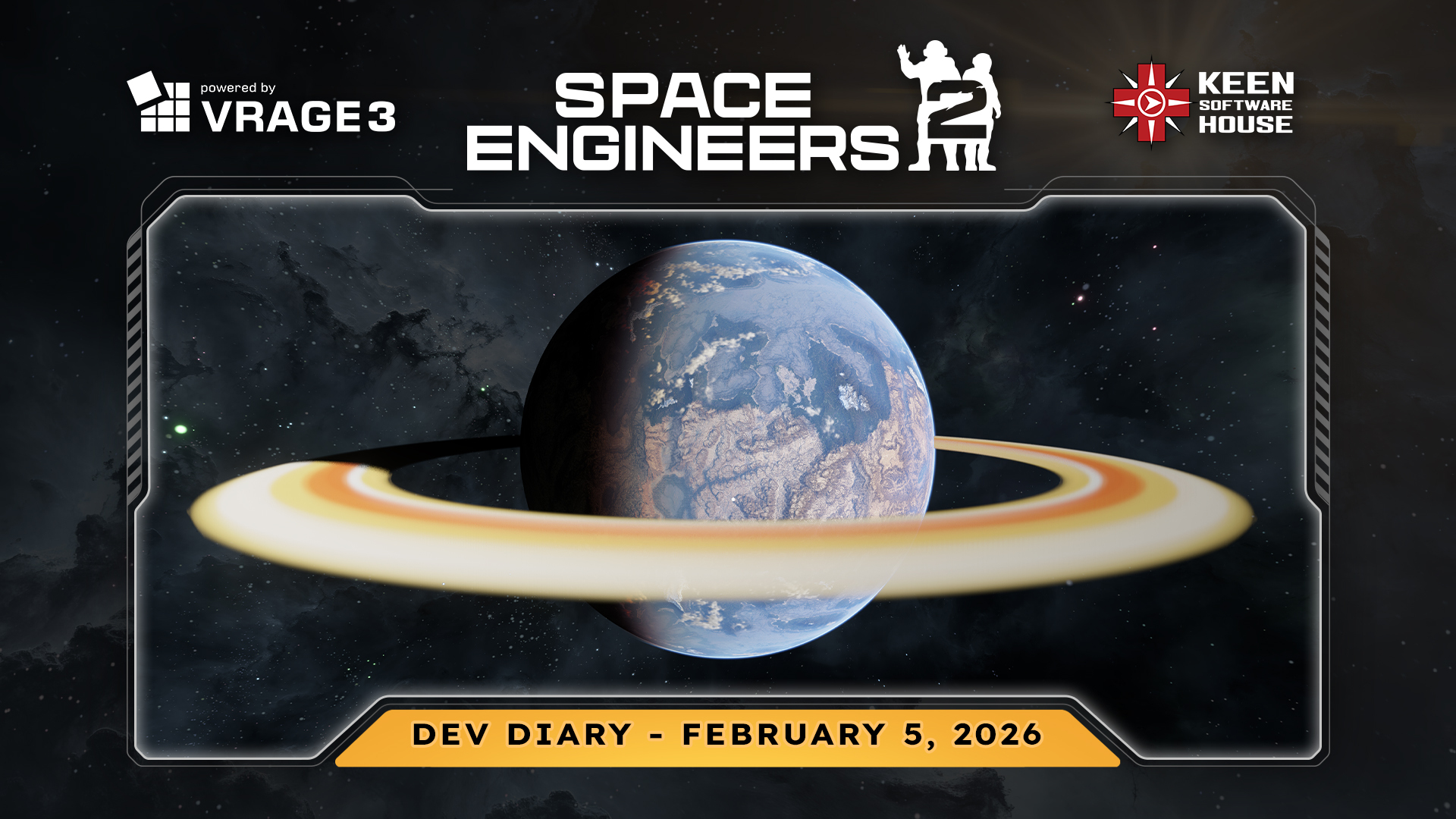 This week’s playtest was quick, we looked at improvements on the turrets – now they have proper collision and placement shapes, and the projectile trails work correctly. Rocket launcher was implemented to our internal build – the aiming and reload animations are work in progress. But it’s fun to blast everything around – I always enjoy destroying stuff.
 https://store.steampowered.com/app/3365540/Space_Engineers_2_Pioneer_Edition/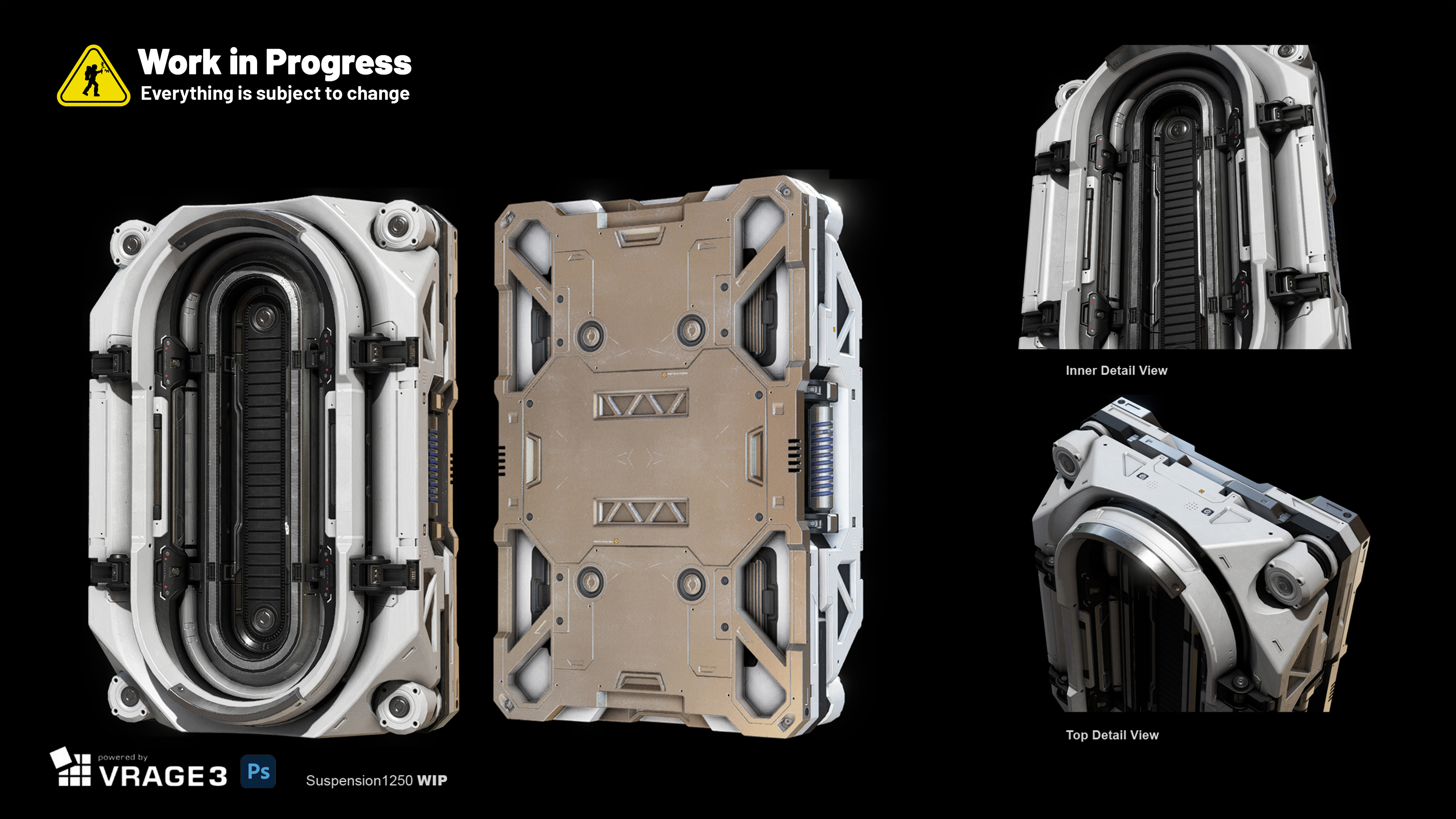
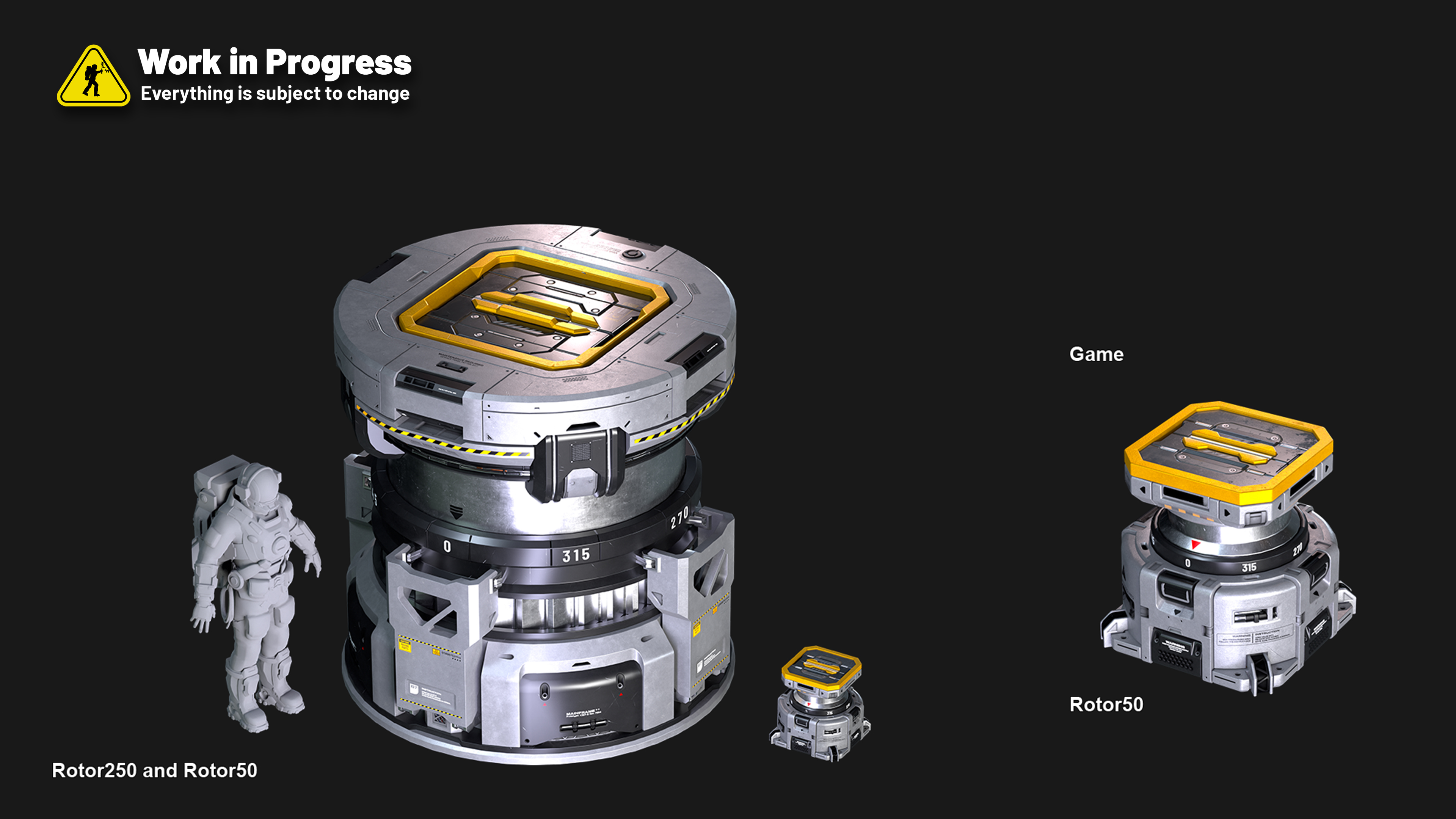 And first shots of rotor spinning in-game: https://www.youtube.com/shorts/GGfamYk6sIY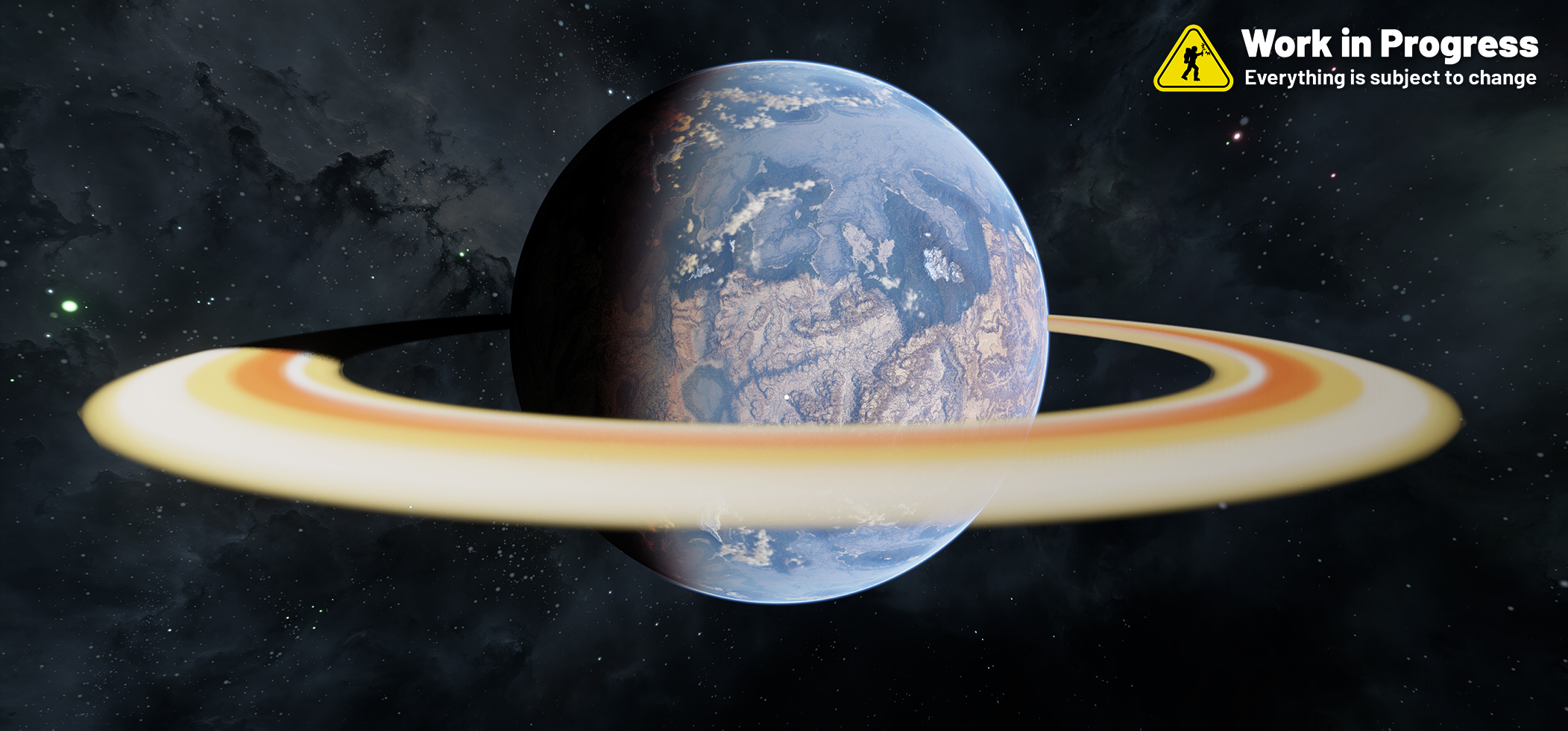
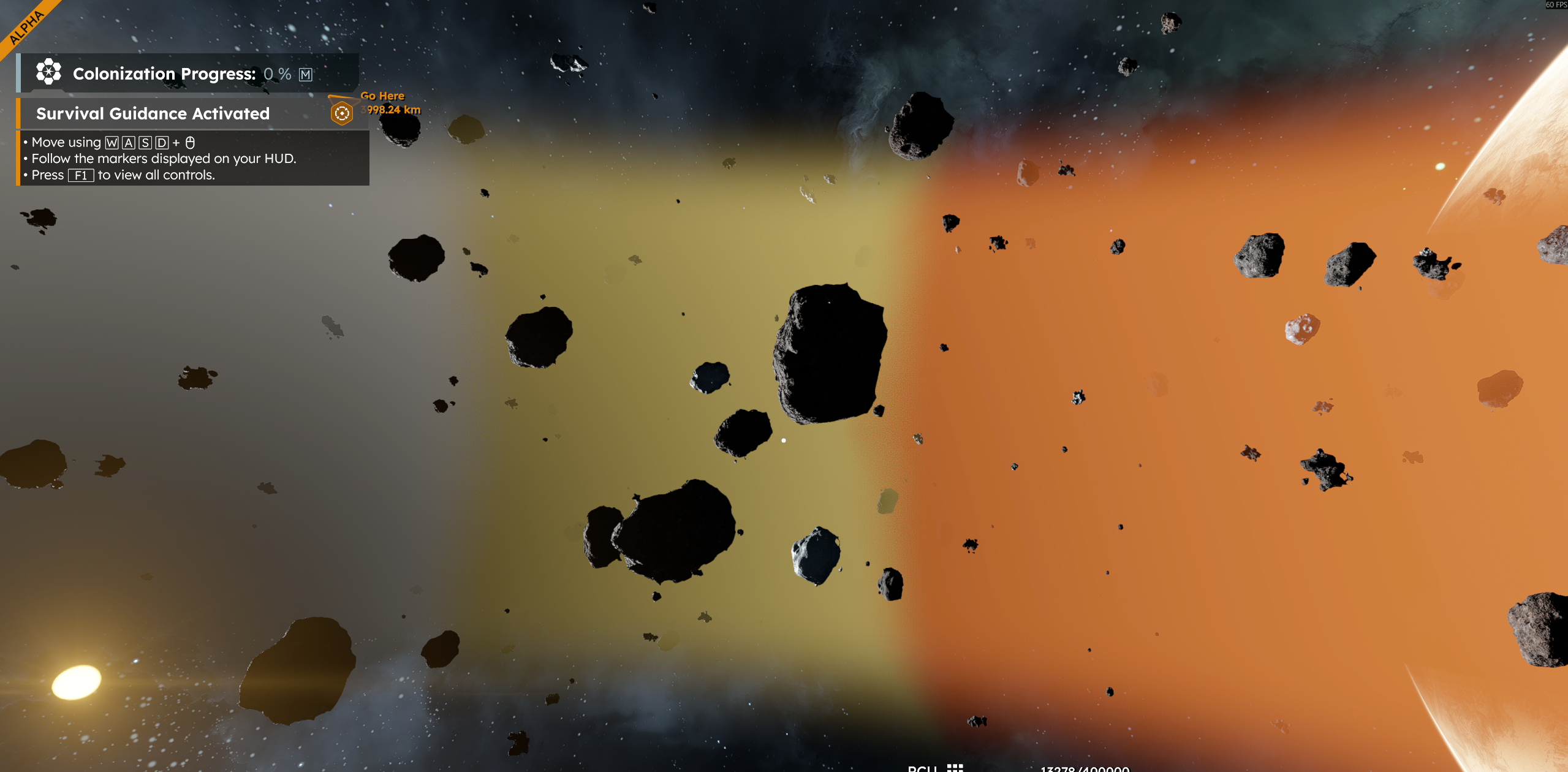 We also reviewed the game analytics and Steam reviews, to better understand what SE1 veterans and also new players say about SE2, but also what their behavior says. The positive is that people trust us and have high confidence in SE2’s future and direction. The negative, but fixable, is that the survival is still just basic, contracts are not much fun or replayable. These were expected results, and we will improve it in the next iterations, this is just temporary and not a surprise. We are simply releasing what we have, instead of waiting for the final product, so obviously we have to give you unfinished things from time to time.
 Please join us next week for Space Engineers 2 New Sector Release Livestream!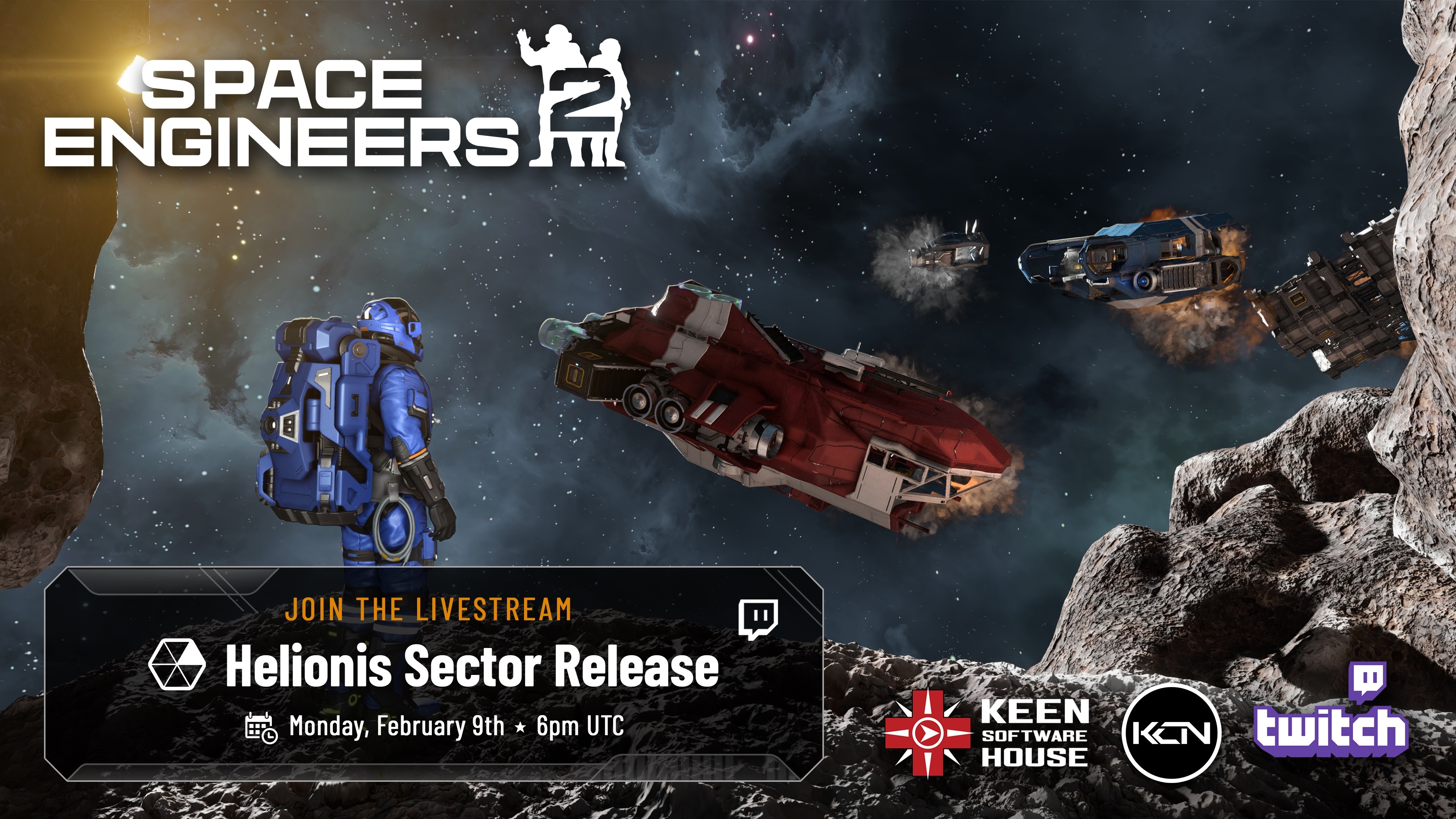
 🛠️ Feedback & Support - https://support.keenswh.com/
 https://v1.steam.hlxgame.cc/games/1133870/announcements/detail/526490645242578671 https://v1.steam.hlxgame.cc/games/1133870/announcements/detail/526490645242578667 https://v1.steam.hlxgame.cc/games/1133870/announcements/detail/526490645242578669

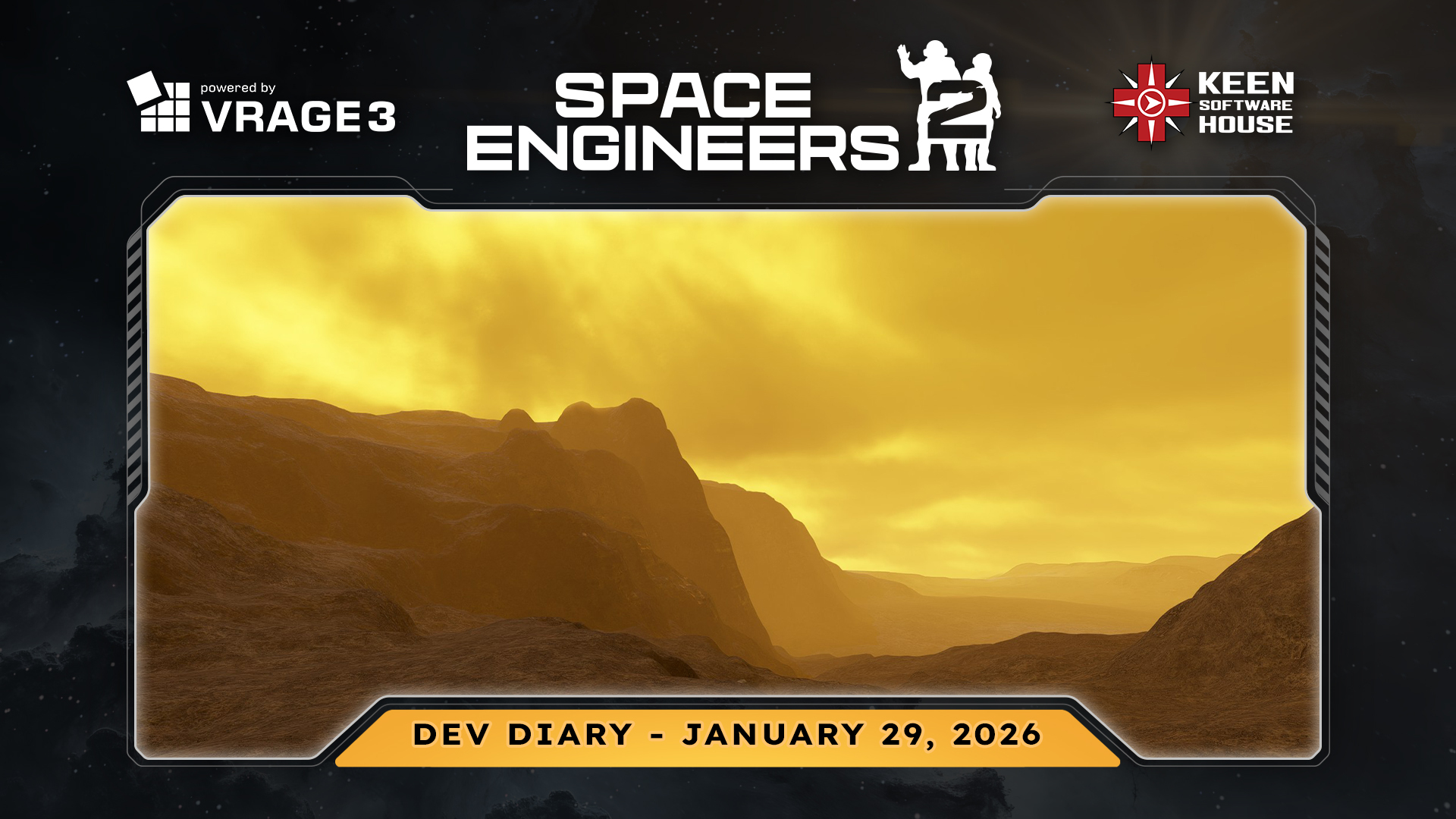 This week on the regular playtest, we reviewed a bunch of smaller but important things.
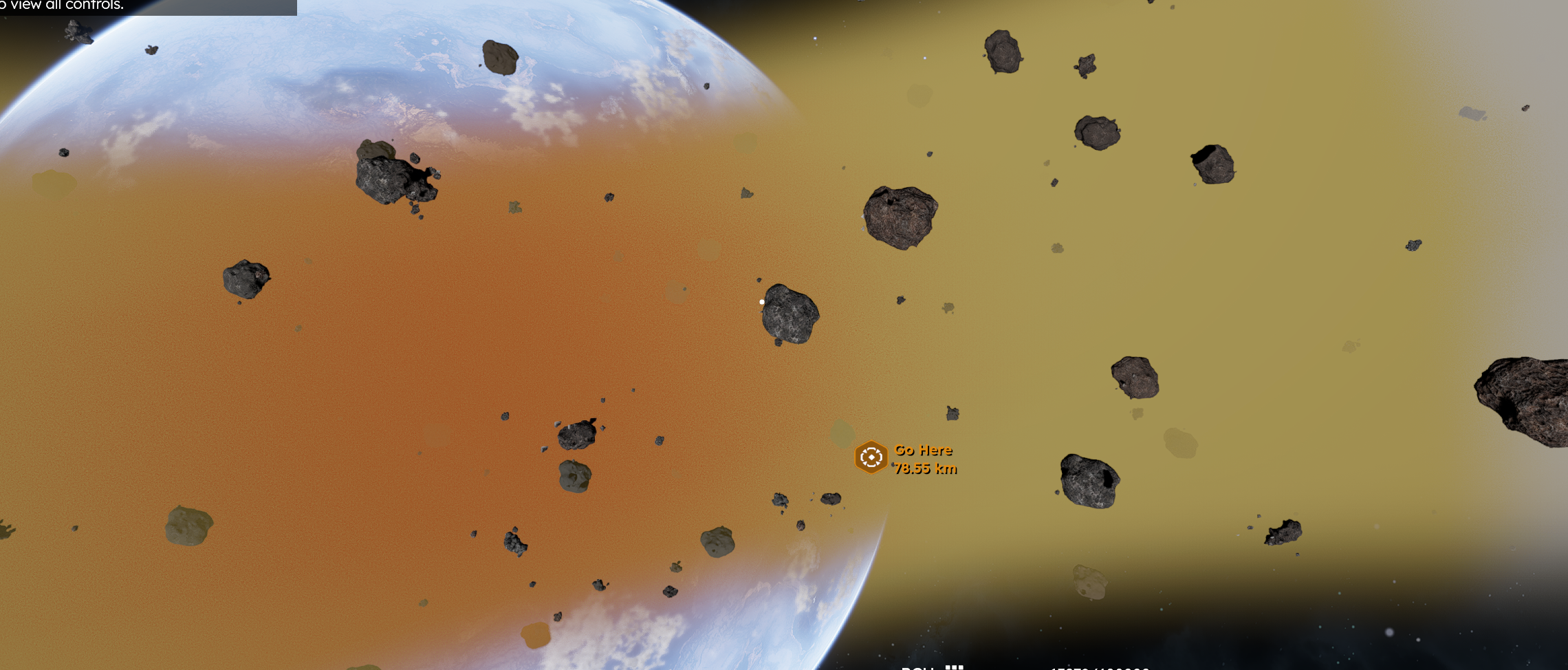
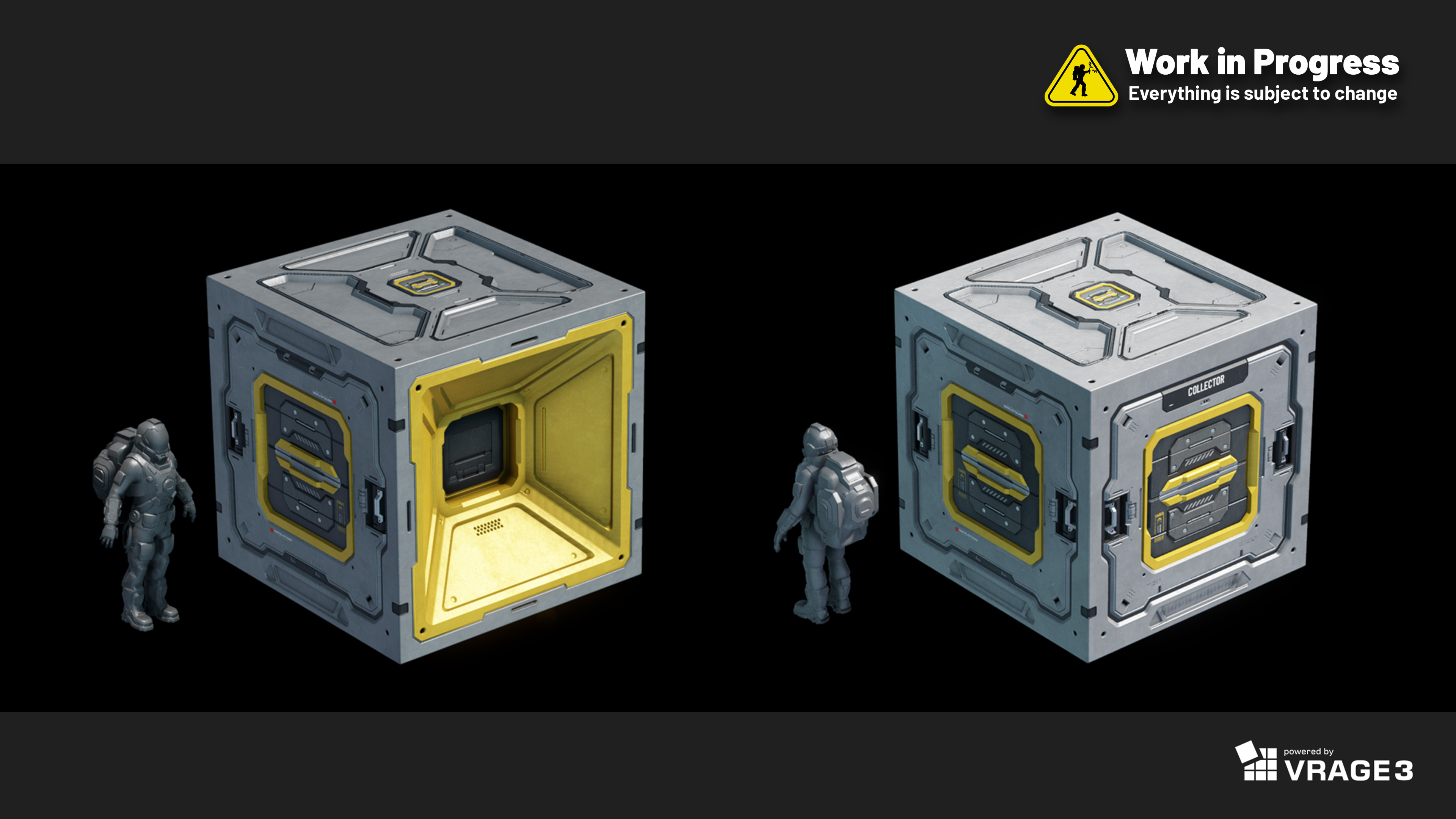 The killing field around Delfos is in too. When you get too close, you start seeing dust and fire-like cloudy particles all around you – even inside interiors. This danger goes through obstacles, so if you don’t escape in time, it will kill you and destroy your ship. It’s meant to feel unavoidable and hostile.
 Automated turrets are in. If you set them up correctly, they start shooting enemy grids, and suddenly it already feels much more like a real game. One thing that’s not done yet: the collision shape for the turret. Right now you can place them extremely close to each other, and it looks… funny. That will be fixed.
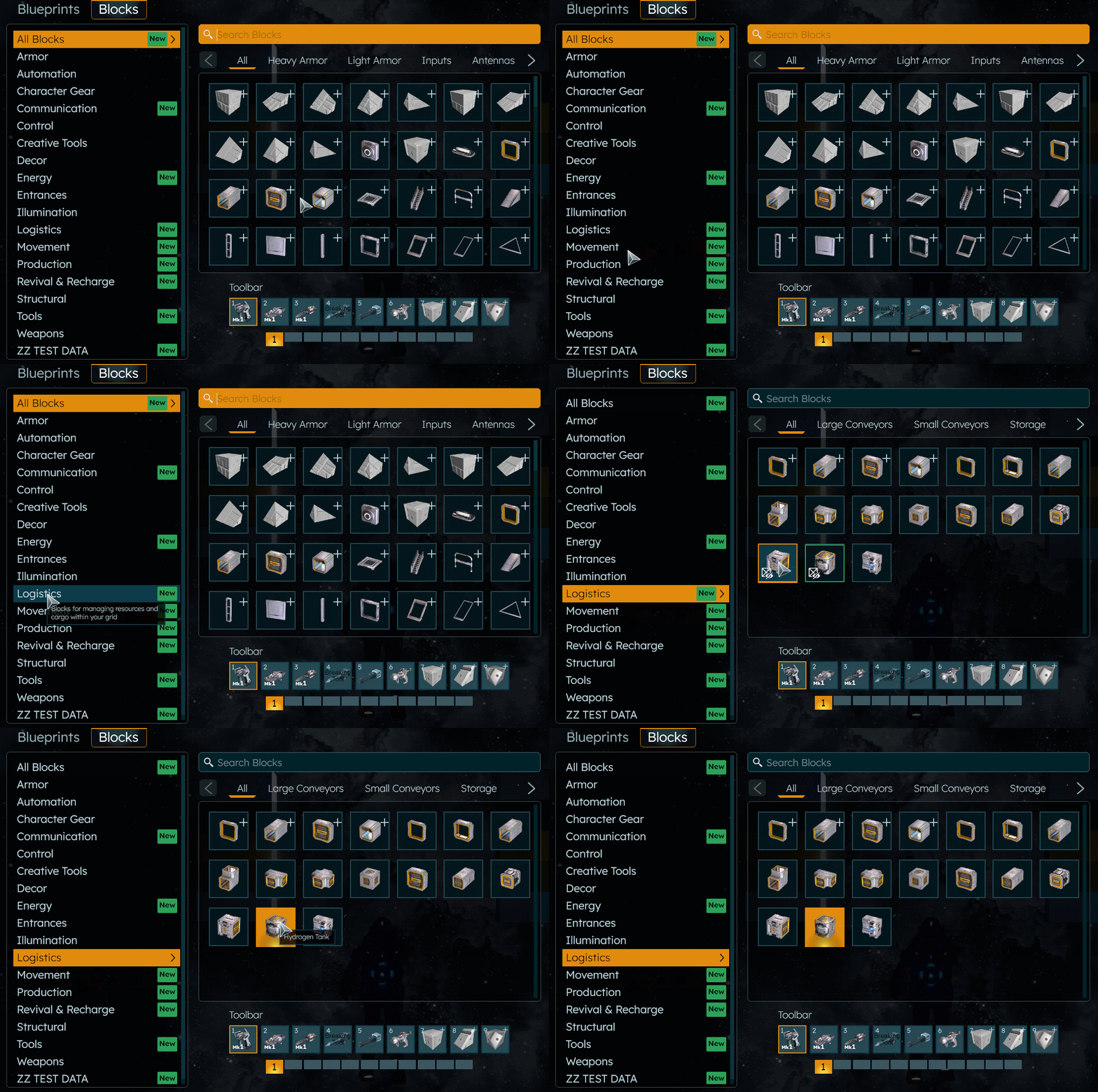
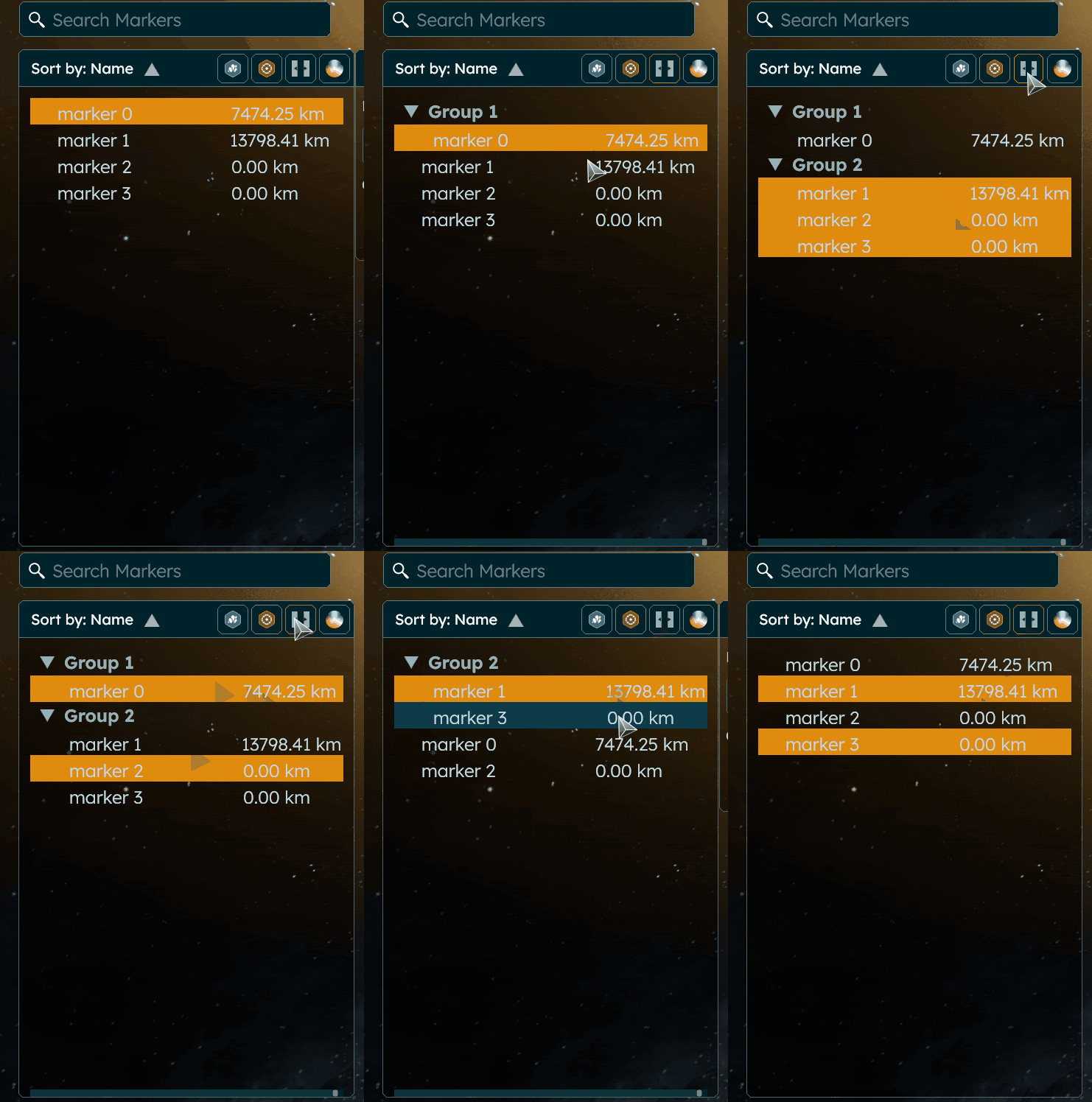 We’re also working on a WIP indication for newly unlocked blocks. The idea is simple – when you get access to a new block, the game should clearly tell you that something new is available. I personally find this important for feedback and progression. You immediately know that your actions unlocked something, instead of discovering it much later by accident. The visuals for this are still work in progress, but the underlying logic is already there.
 You might remember that some time ago I mentioned our early cloud experiments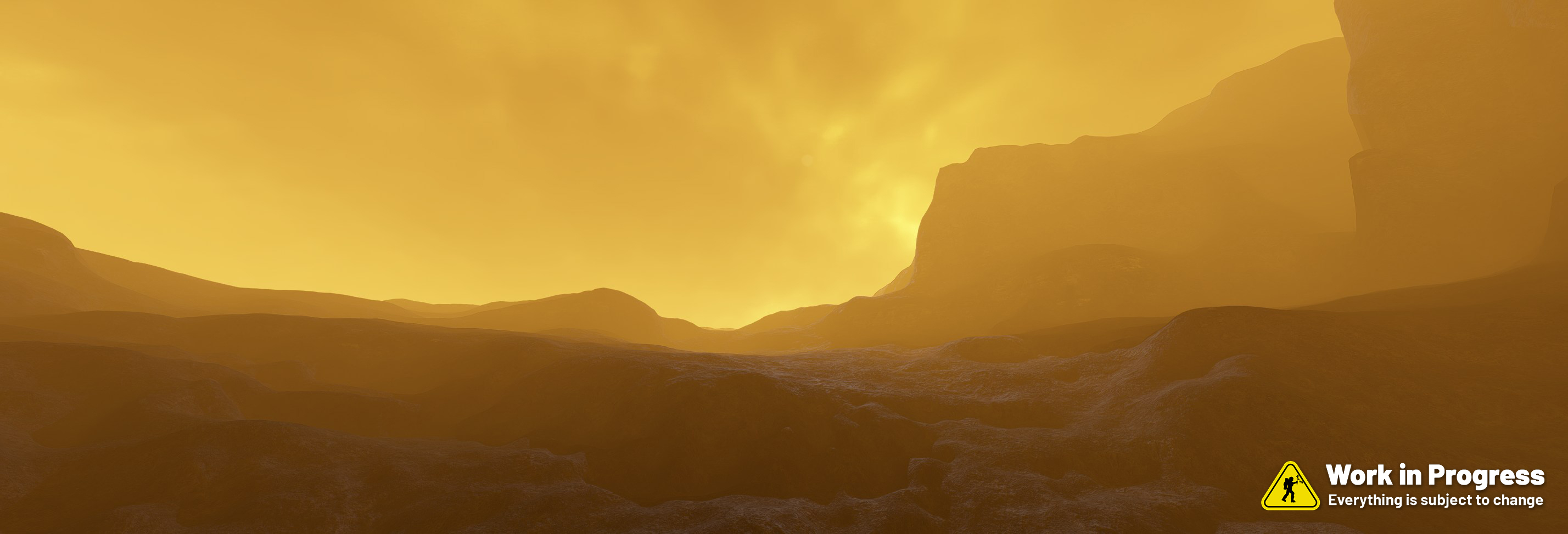
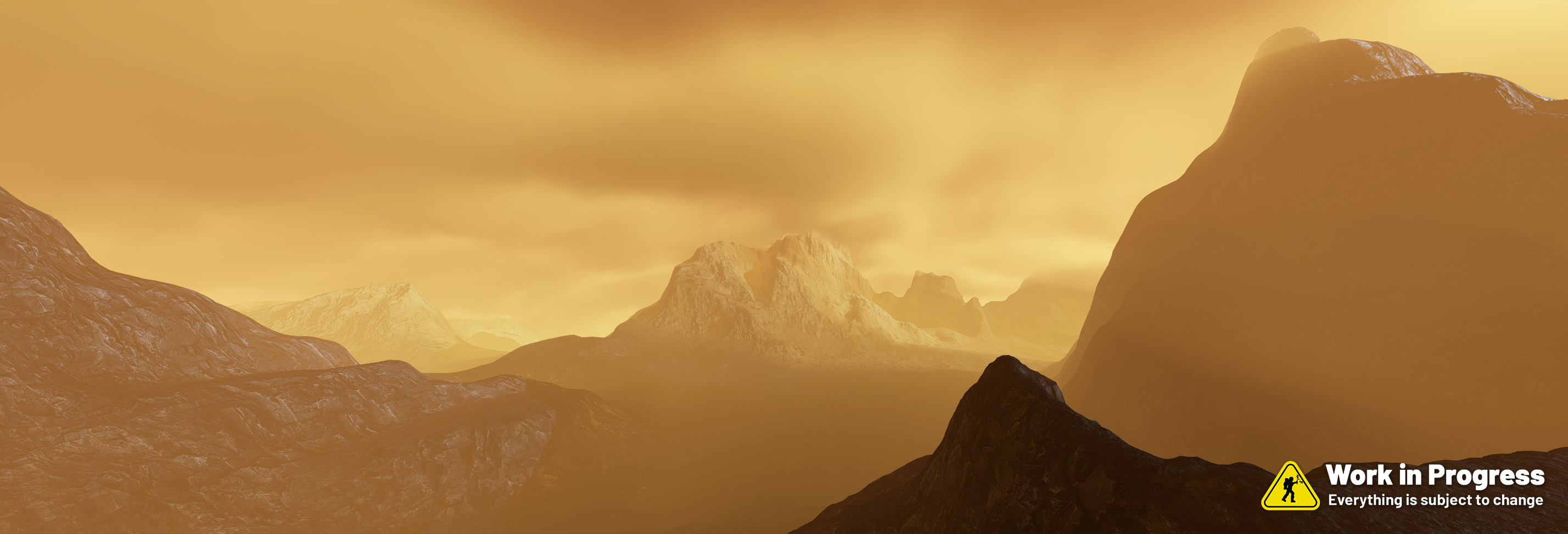
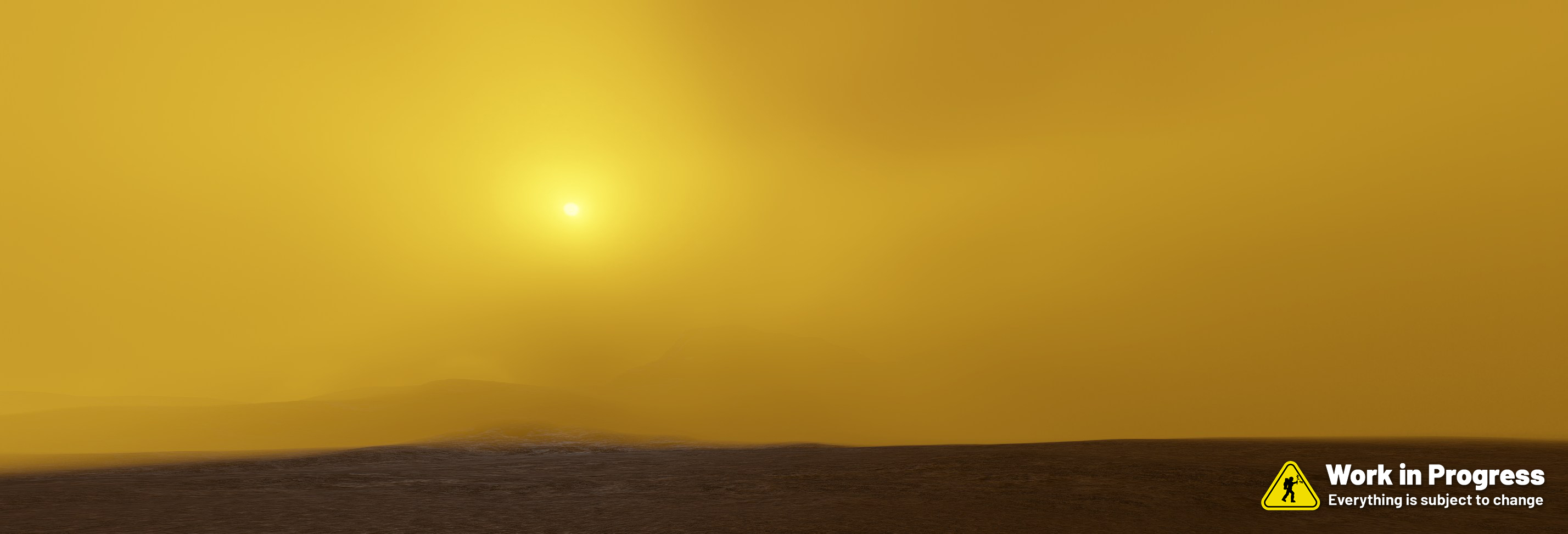
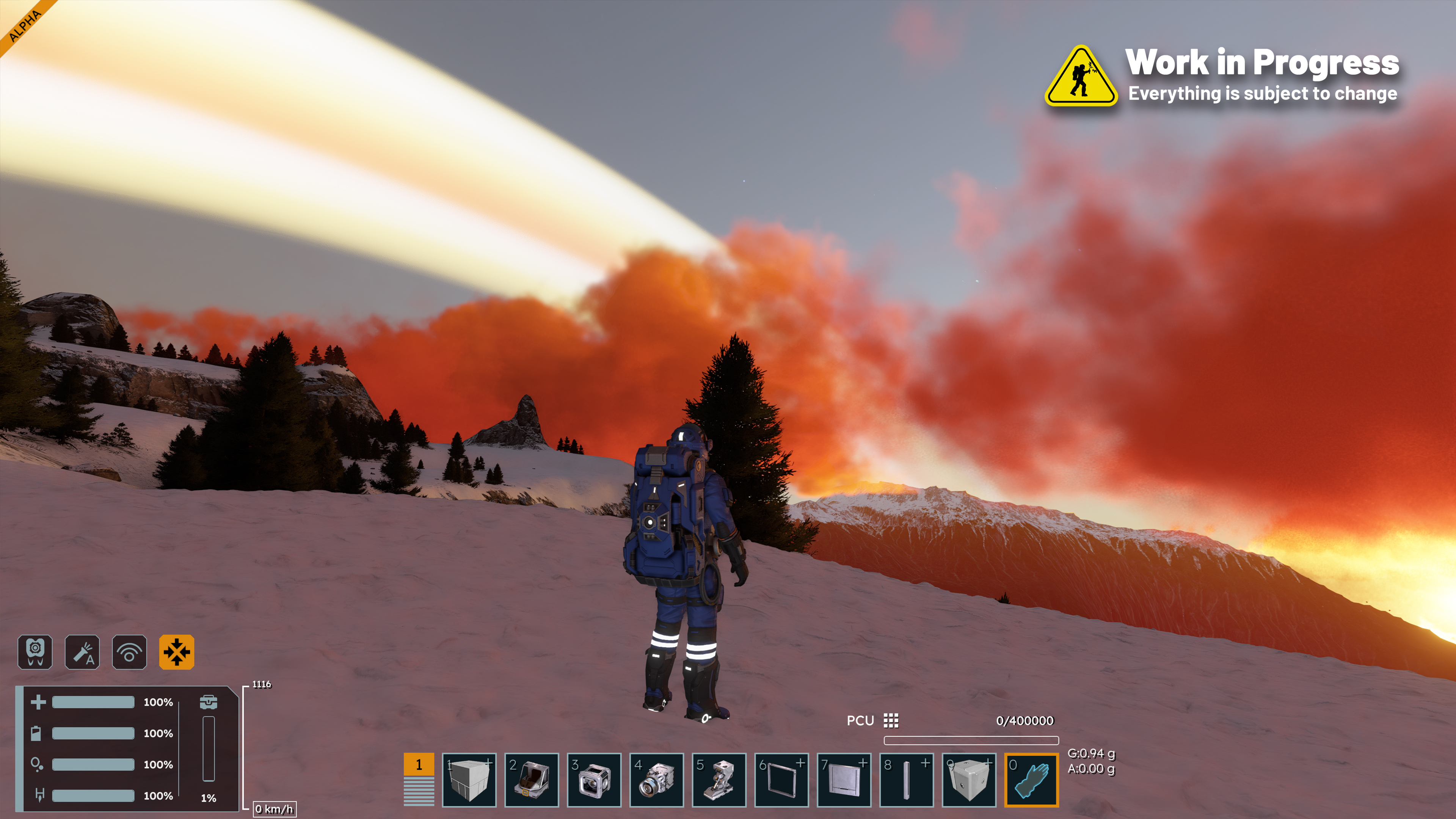
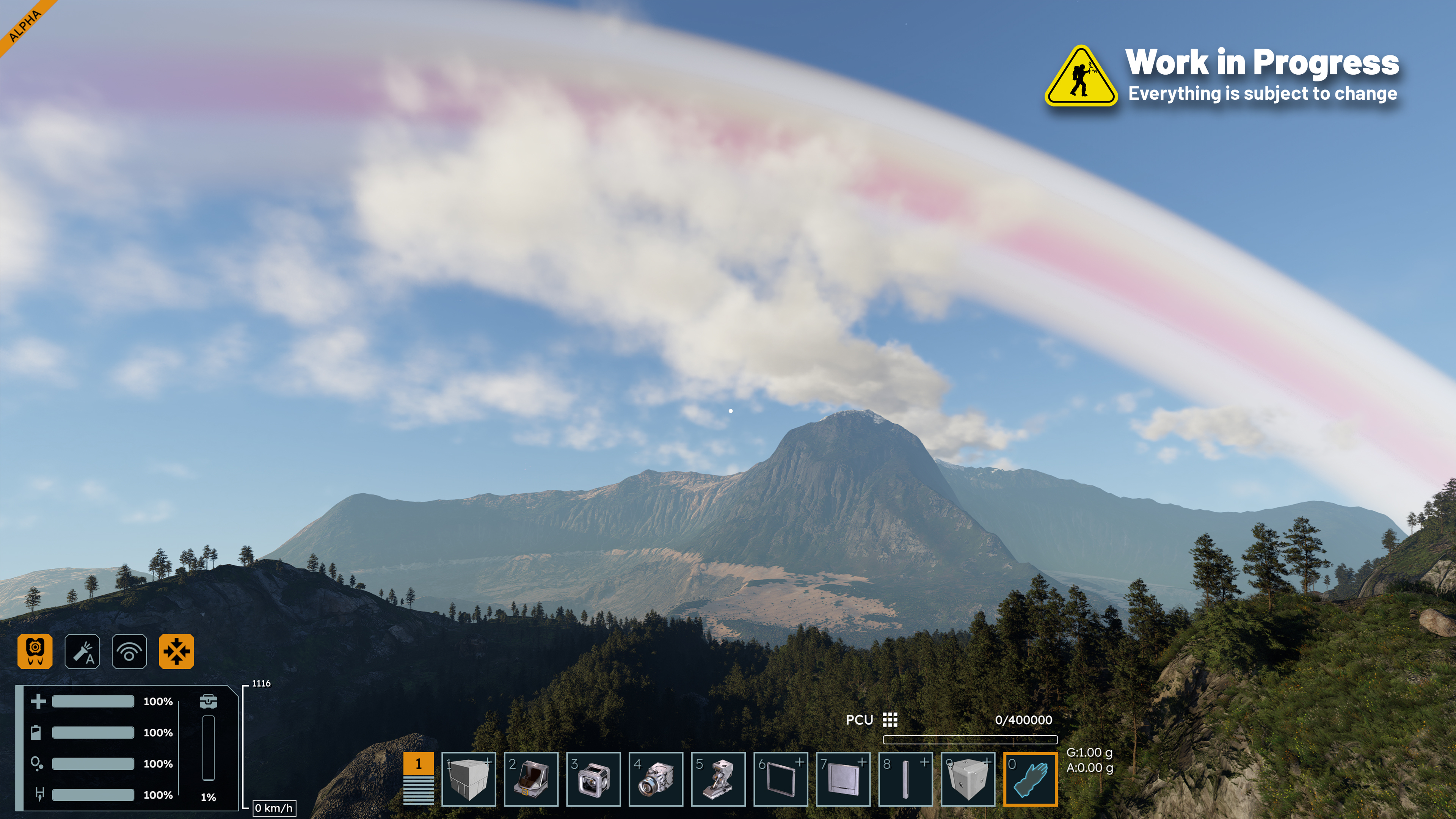
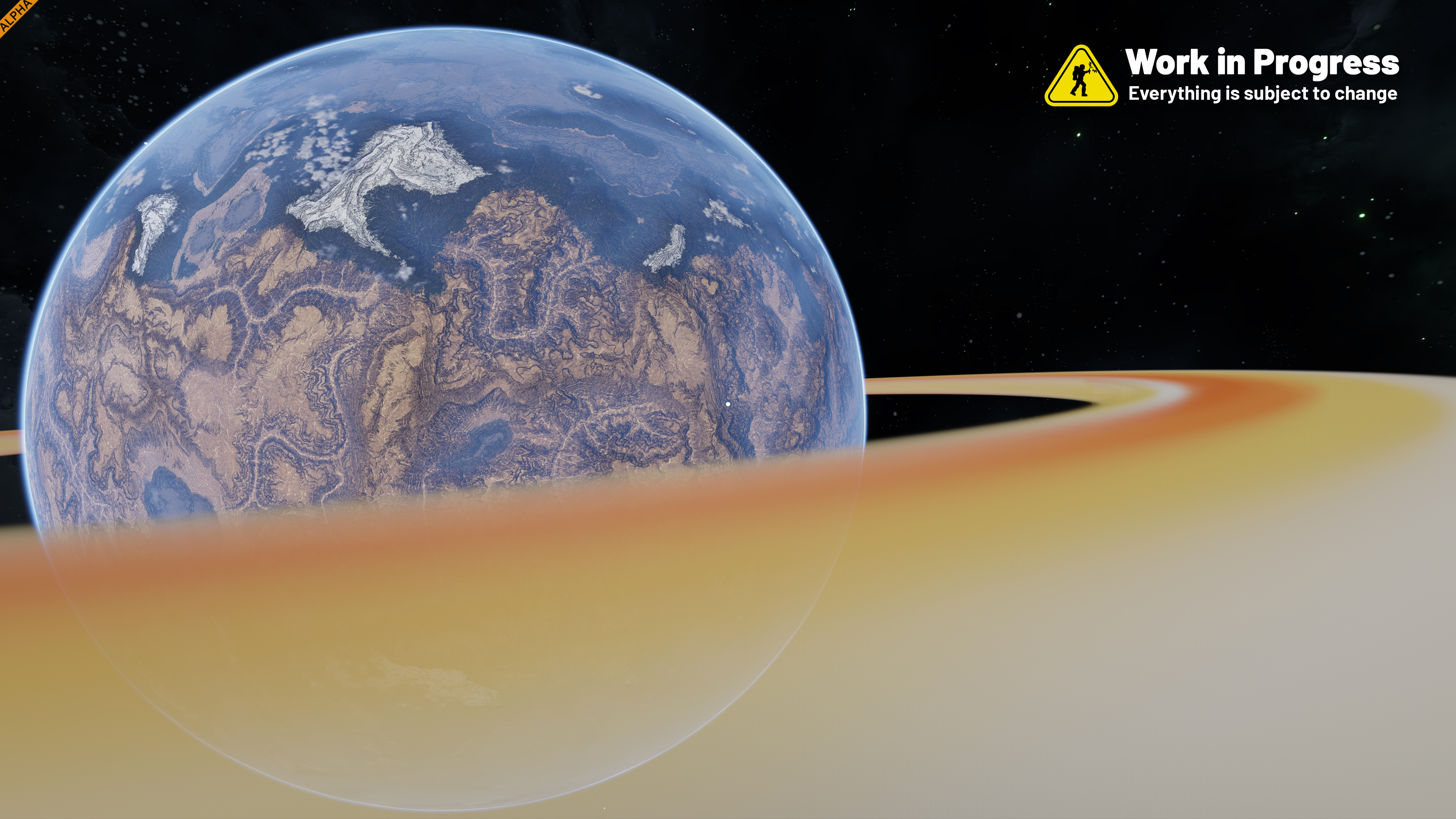
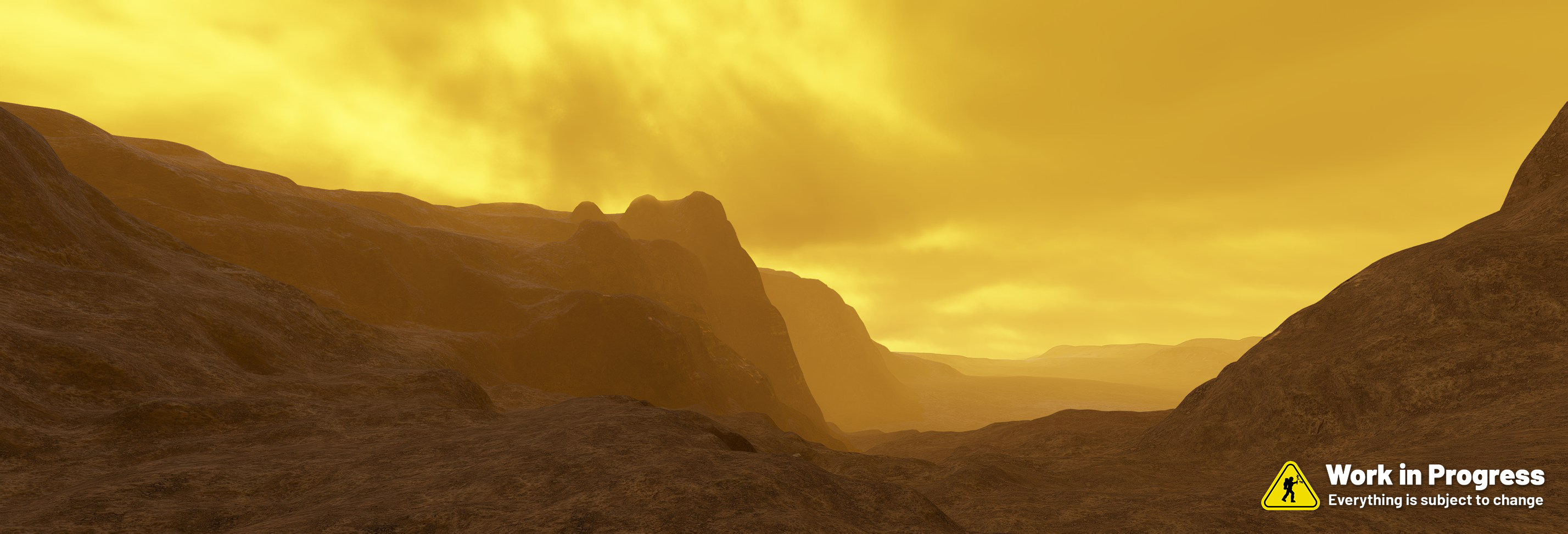 Our cloud system gives the team a lot of control. We can tweak cloud height, density, color, and layering, and combine them in ways that dramatically change the character of a planet. Subtle adjustments already make a big difference. A low, dense fog can make the surface feel claustrophobic and dangerous, while higher, broken cloud layers can emphasize scale and openness. I really enjoy seeing how the same terrain can feel completely different just by changing the atmosphere around it.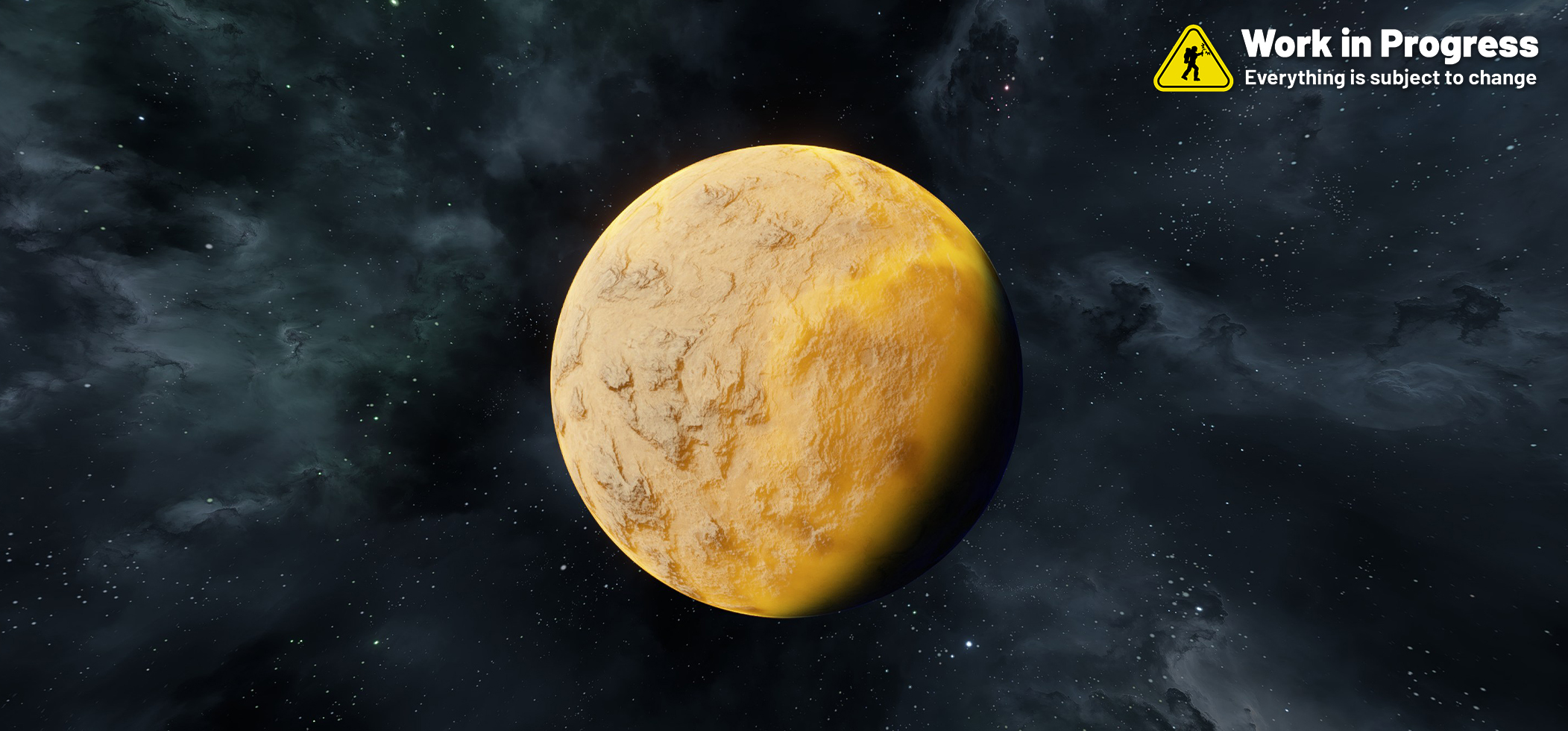
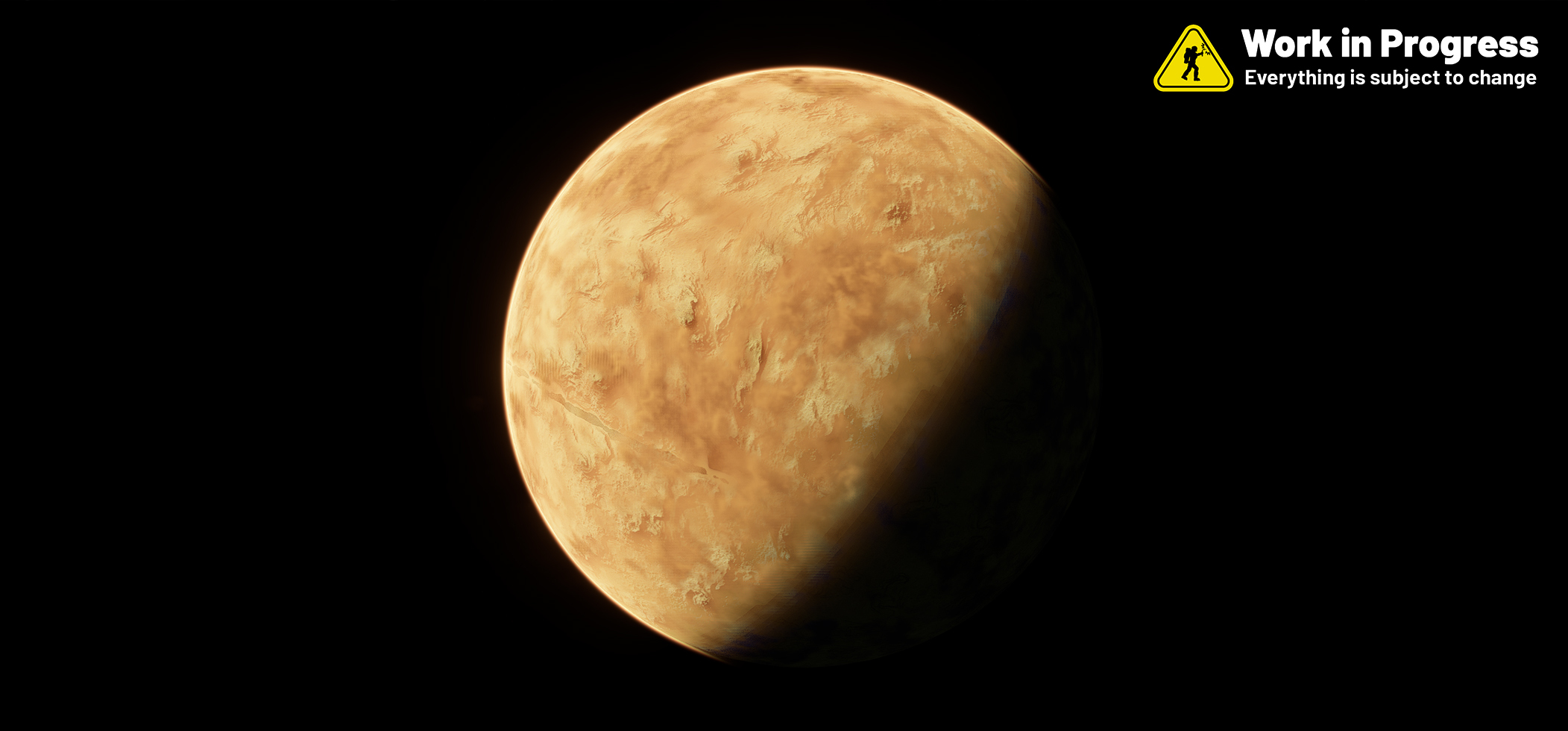 This is still very much an experimental area, but it’s exciting to see how far we can push planet identity using clouds and fog alone.
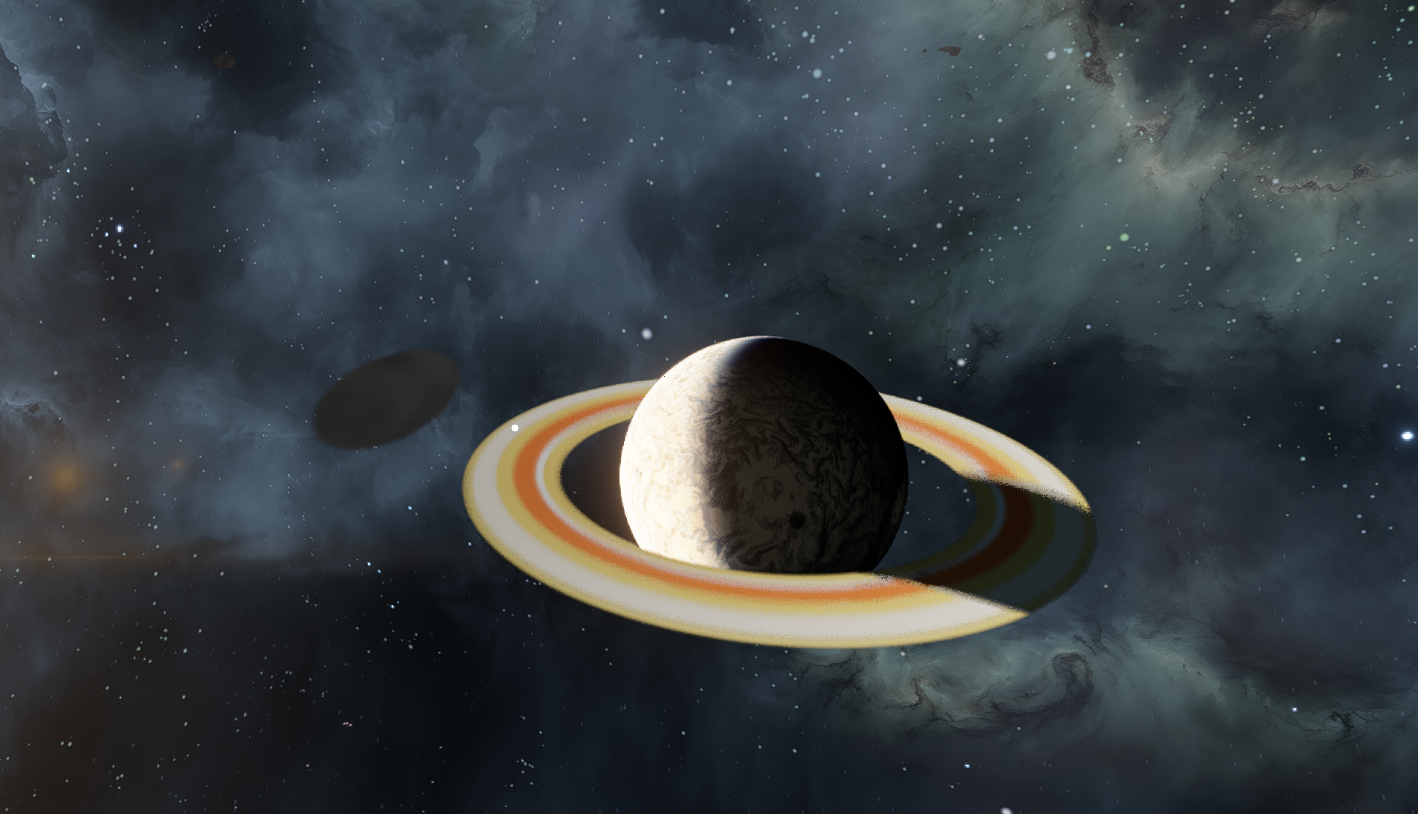
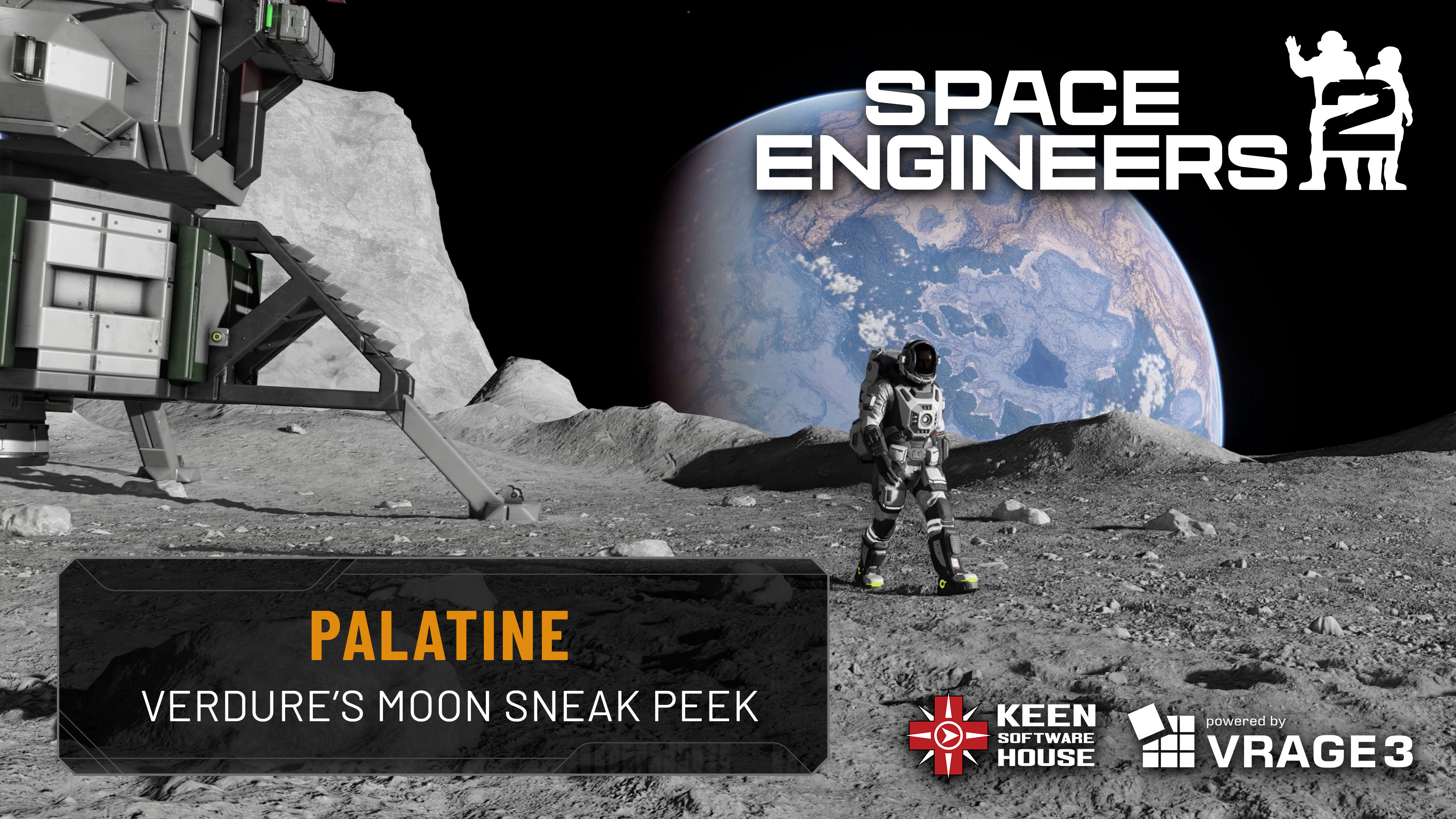 Did you know planet Verdure has a moon? Its name is Palatine. The strange similarities between our Earth in the Solar System and Verdure in the Almagest system continue even here. Palatine looks surprisingly close to our own Moon, with its barren surface, crater patterns, and quiet, airless horizon.
 [Русификатор] Перевод Space Engineers 2
  28
28
 how to play the game
 How to use custom colours / colors!



 Get rid of Super Dampeners/Gyro Torque Bonuses
 Space Engineers 2 | Guide: Modding Overview






 Award
Award




 Loading

