
Install Steam
login
|
language
简体中文 (Simplified Chinese)
繁體中文 (Traditional Chinese)
日本語 (Japanese)
한국어 (Korean)
ไทย (Thai)
Български (Bulgarian)
Čeština (Czech)
Dansk (Danish)
Deutsch (German)
Español - España (Spanish - Spain)
Español - Latinoamérica (Spanish - Latin America)
Ελληνικά (Greek)
Français (French)
Italiano (Italian)
Bahasa Indonesia (Indonesian)
Magyar (Hungarian)
Nederlands (Dutch)
Norsk (Norwegian)
Polski (Polish)
Português (Portuguese - Portugal)
Português - Brasil (Portuguese - Brazil)
Română (Romanian)
Русский (Russian)
Suomi (Finnish)
Svenska (Swedish)
Türkçe (Turkish)
Tiếng Việt (Vietnamese)
Українська (Ukrainian)
Report a translation problem


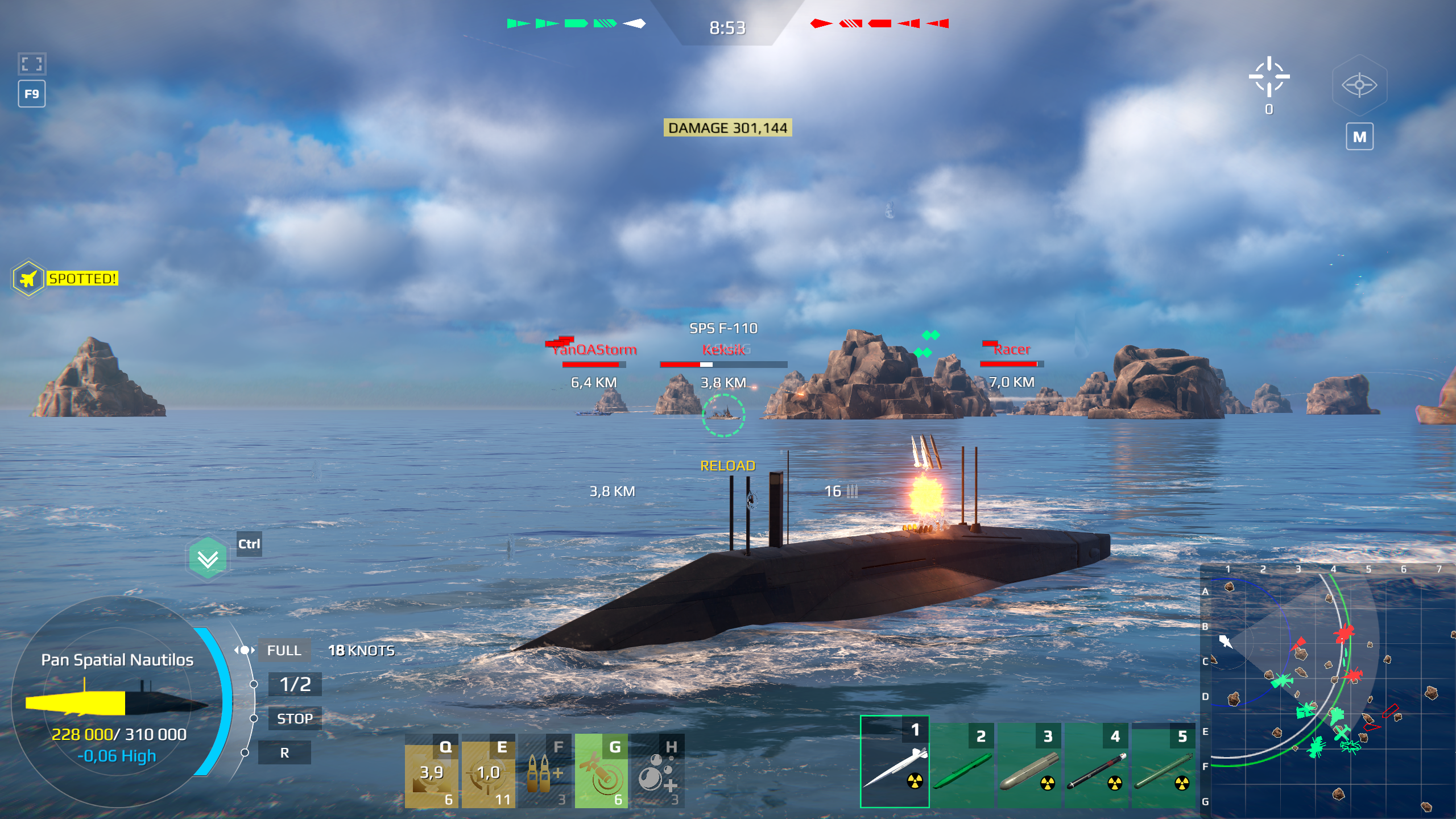
ROKS Jang Yeong-sil is a modern diesel-electric submarine that uses lithium-ion batteries, allowing it to remain submerged longer and maintain high speed without surfacing. As a result, it operates more quietly and is harder to detect. The submarine is equipped with ten vertical launch cells designed to carry either cruise missiles or submarine-launched ballistic missiles.
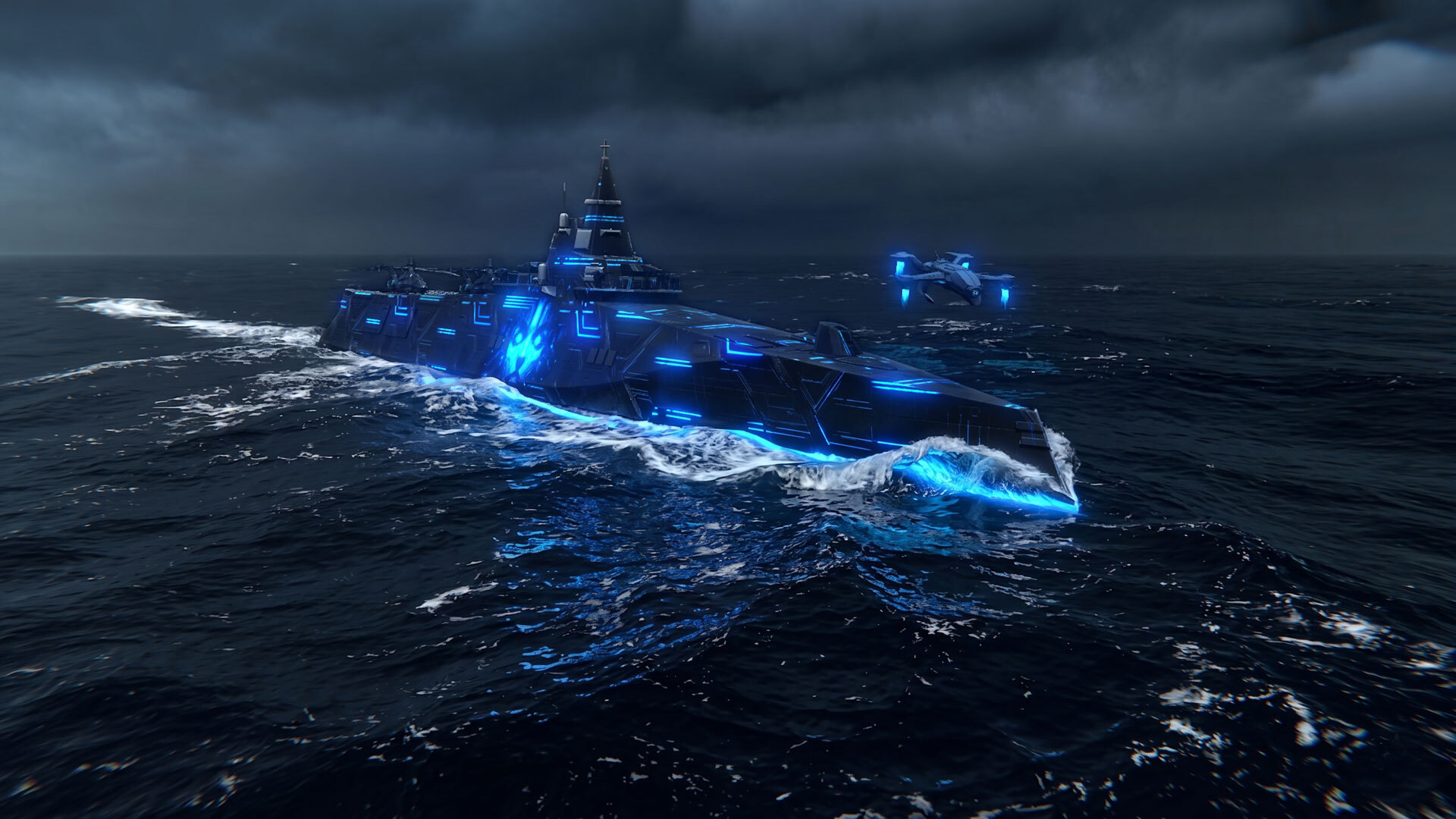
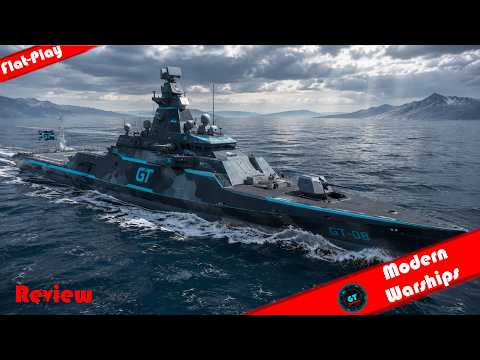
KRI Nusantara is a concept for a modern low-observable battleship for the Indonesian Navy, designed to confidently project power in the Indo-Pacific region. The ship features a powerful missile and artillery armament, enabling it to perform a wide range of naval missions. Its advanced, multi-layered defense system effectively counters all types of threats, allowing the crew to focus on sustained firepower and successful mission execution.
JS 30DX represents an evolution of Japan’s multirole frigate program, aimed at increasing export appeal. The ship is equipped with a modern diesel-gas turbine propulsion system and features relatively low displacement, granting it impressive speed. Compact dimensions, the use of stealth technologies, and a flexible modular weapons architecture make this frigate an effective asset for forward-area operations.
The third and final representative of the Zumwalt-class guided missile destroyers. The ship’s offensive power is traditionally concentrated in its missile and artillery systems, while its defensive components have undergone significant redesign. New air defense systems include advanced laser and missile solutions, complemented by an anti-torpedo system to counter underwater threats.
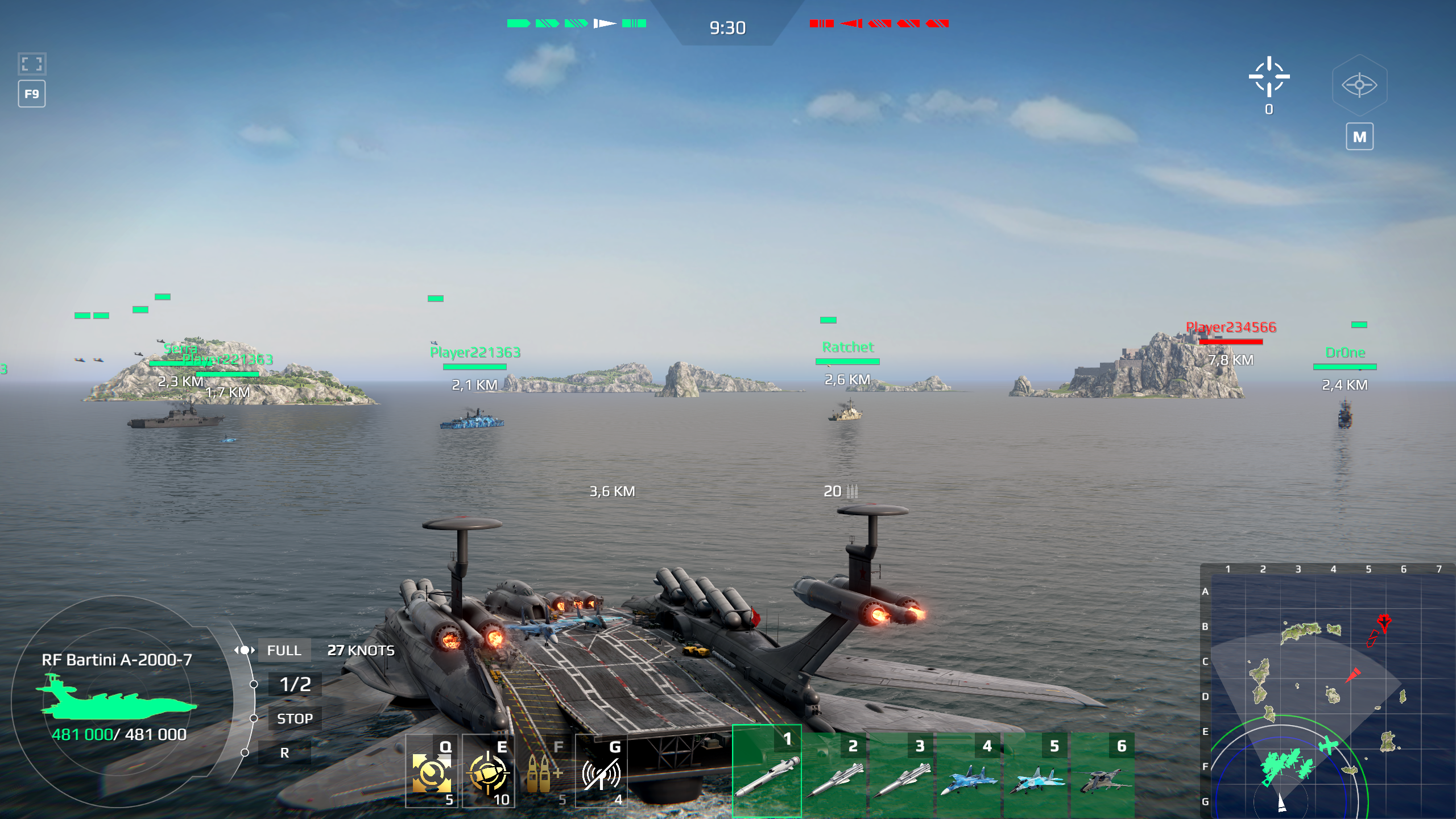
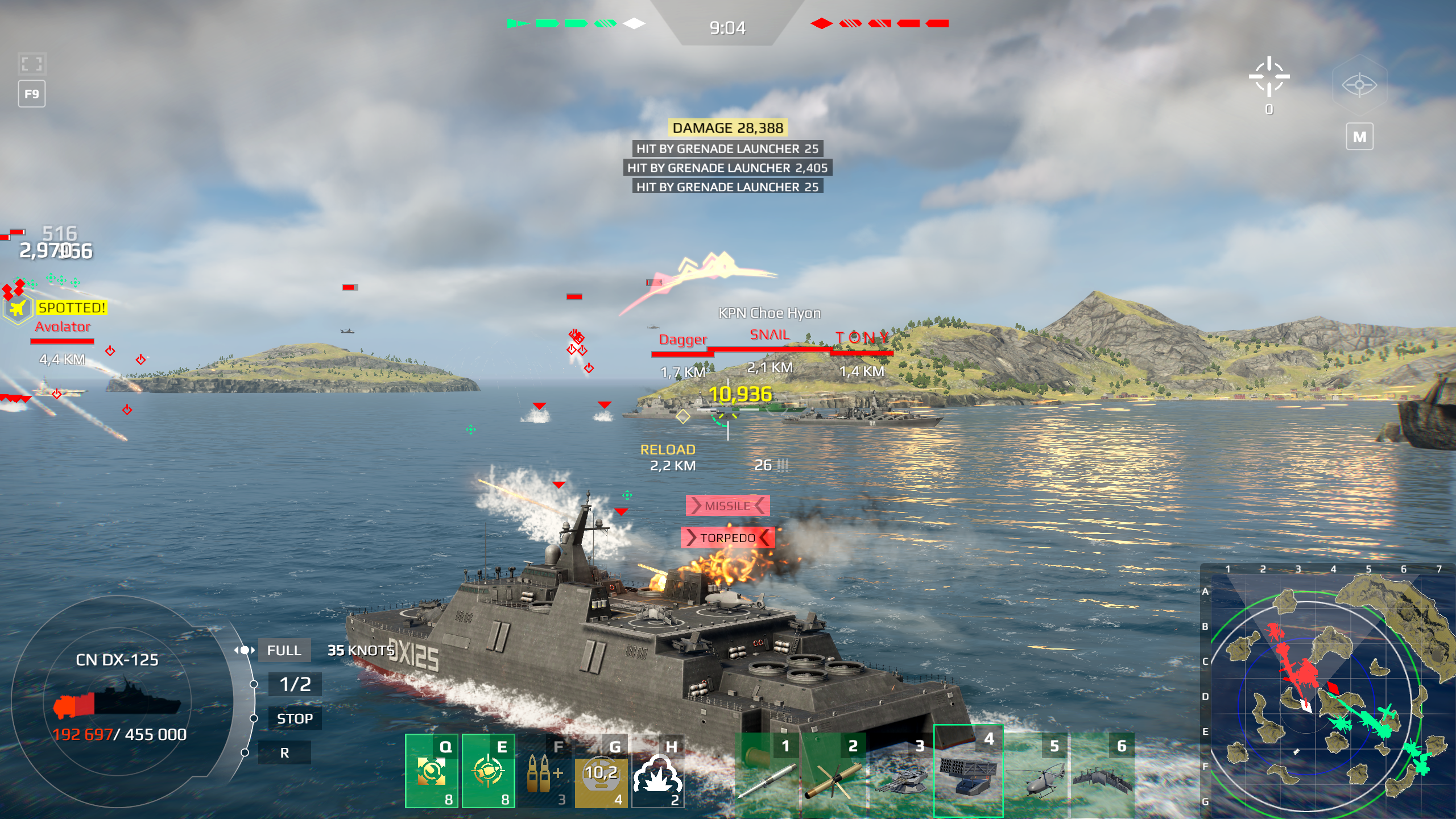
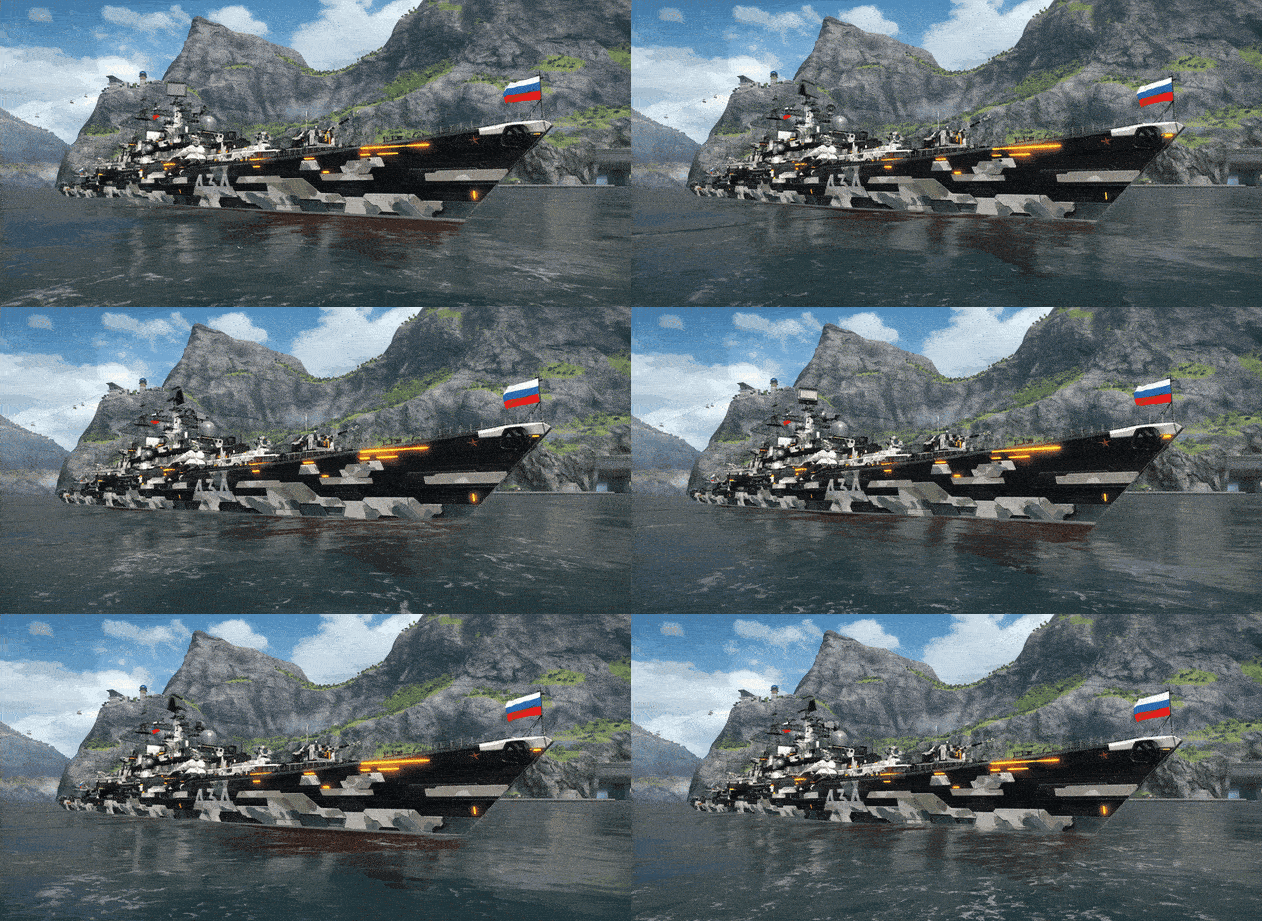
A Russian concept for a new trimaran frigate capable of operating effectively even in heavy seas. Its electric propulsion systems with battery-based energy storage are placed in separate outer hulls, which not only improves stability but also provides high speed. The expanded deck area in the central hull allows for the deployment of up to two helicopters.
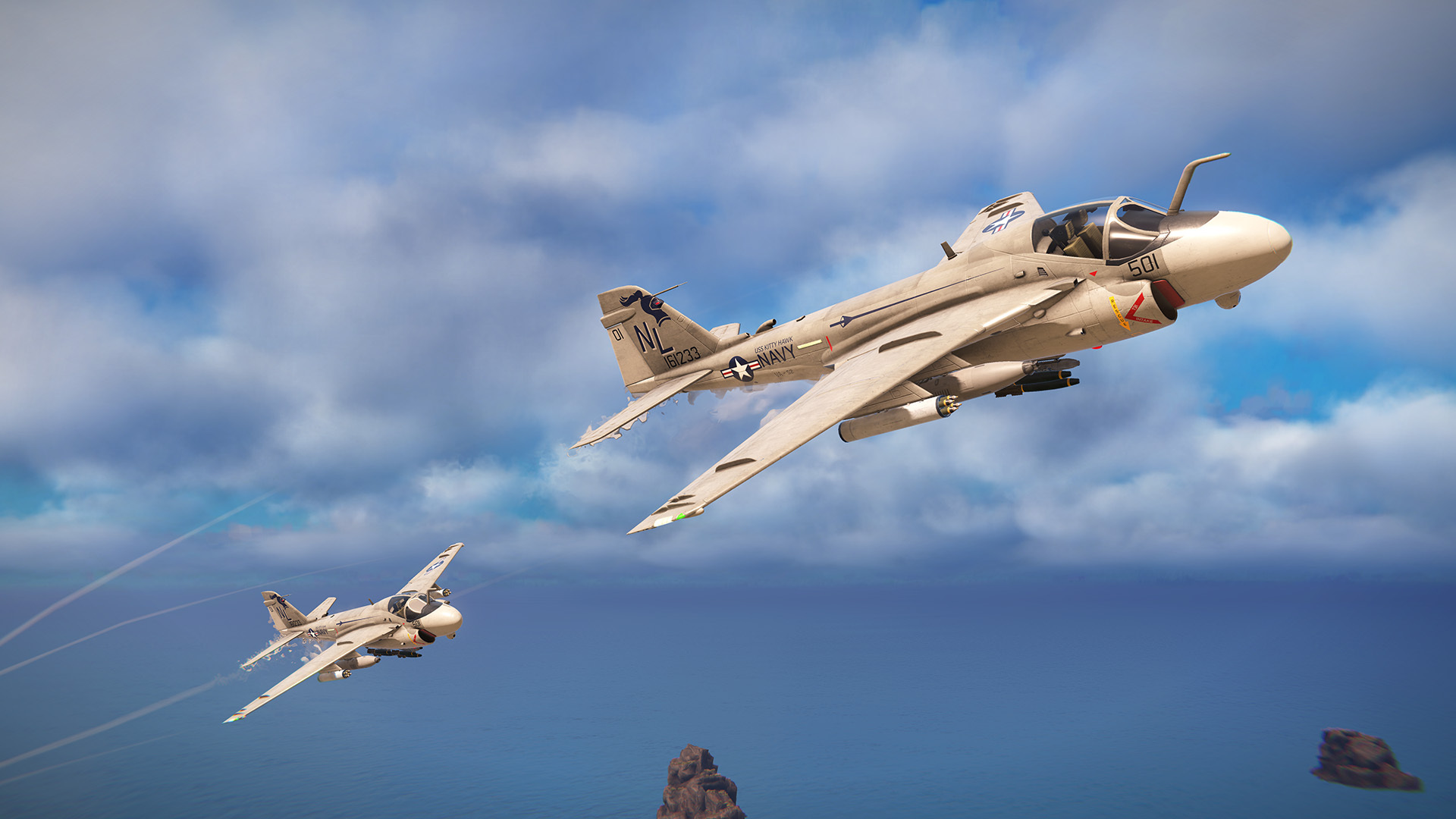
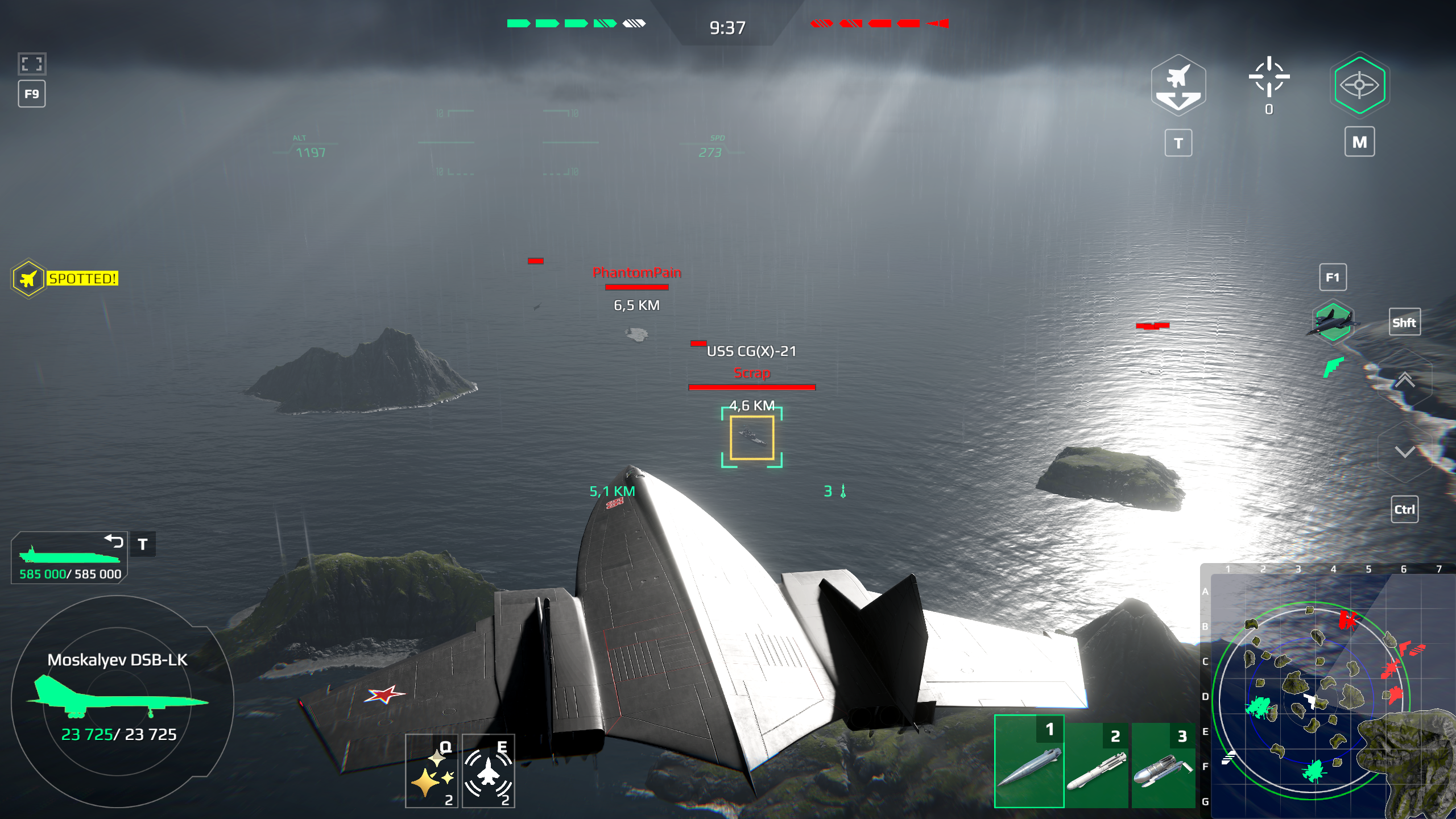
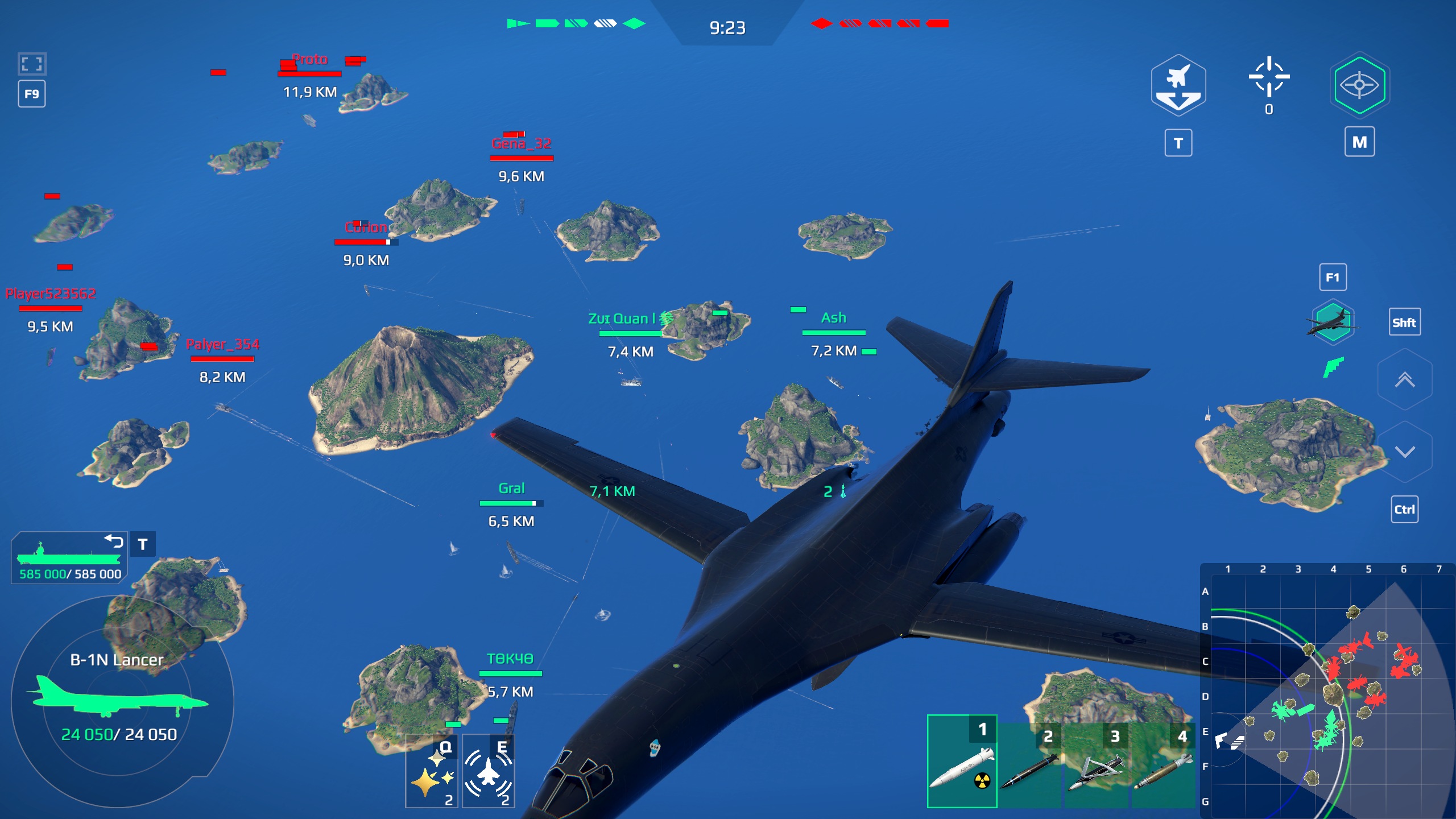
An experimental prototype of a U.S. long-range supersonic strategic bomber equipped with nuclear weapons for priority destruction of surface targets. The aircraft features a canard configuration with a thin delta wing and twin vertical stabilizers. It is powered by six turbojet engines arranged in a clustered configuration and is capable of achieving extreme supersonic speeds.
A low-observable fifth-generation attack aircraft of the Swedish Air Force. The new Flygsystem project aims to replace existing aircraft with a highly maneuverable platform featuring stealth technologies and modern weaponry capable of engaging all types of targets.
A modern attack helicopter project developed for the Italian Air Force. It is faster than its predecessors, features a more robust airframe, and is equipped with advanced weaponry capable of engaging all existing types of opponents.
An unmanned helicopter developed in China. Designed for ship-based operations, it performs reconnaissance and special combat missions. It features a unique multirole payload system capable of engaging all types of adversaries.
A concept for a heavy strike drone for the U.S. Air Force utilizing stealth technologies. Its powerful propulsion system allows for high flight speed, while its weapon load enables attacks against aerial and surface targets without entering enemy air defense zones.
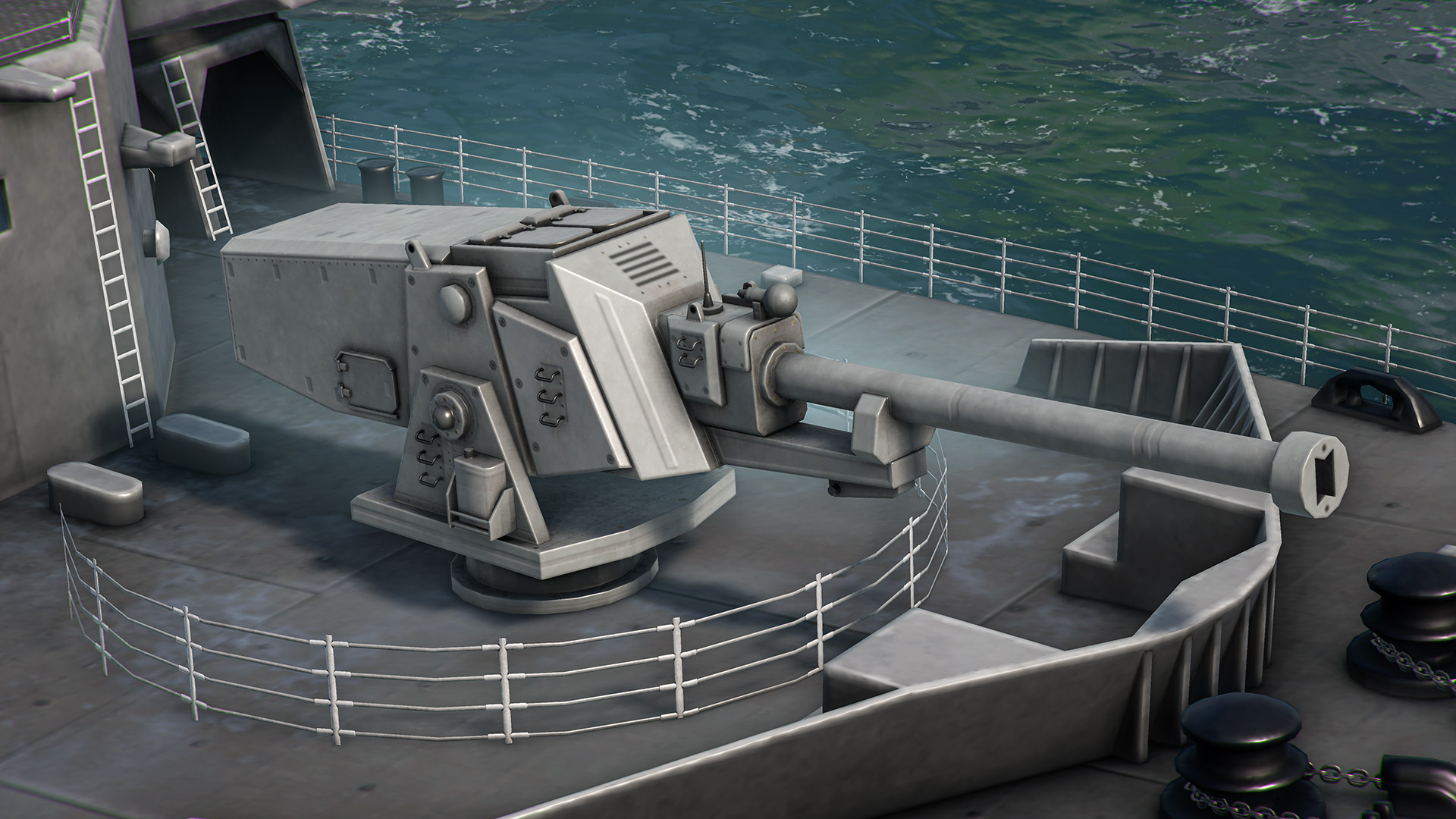
An advanced American railgun featuring rapid horizontal turret rotation and unrivaled projectile velocity. It is capable of engaging surface targets at extreme ranges with exceptional accuracy. The system requires a short initialization period to achieve magnetic acceleration before firing.
A directed-energy air defense system developed in Israel. It is capable of effectively countering aerial threats at short ranges with high precision.
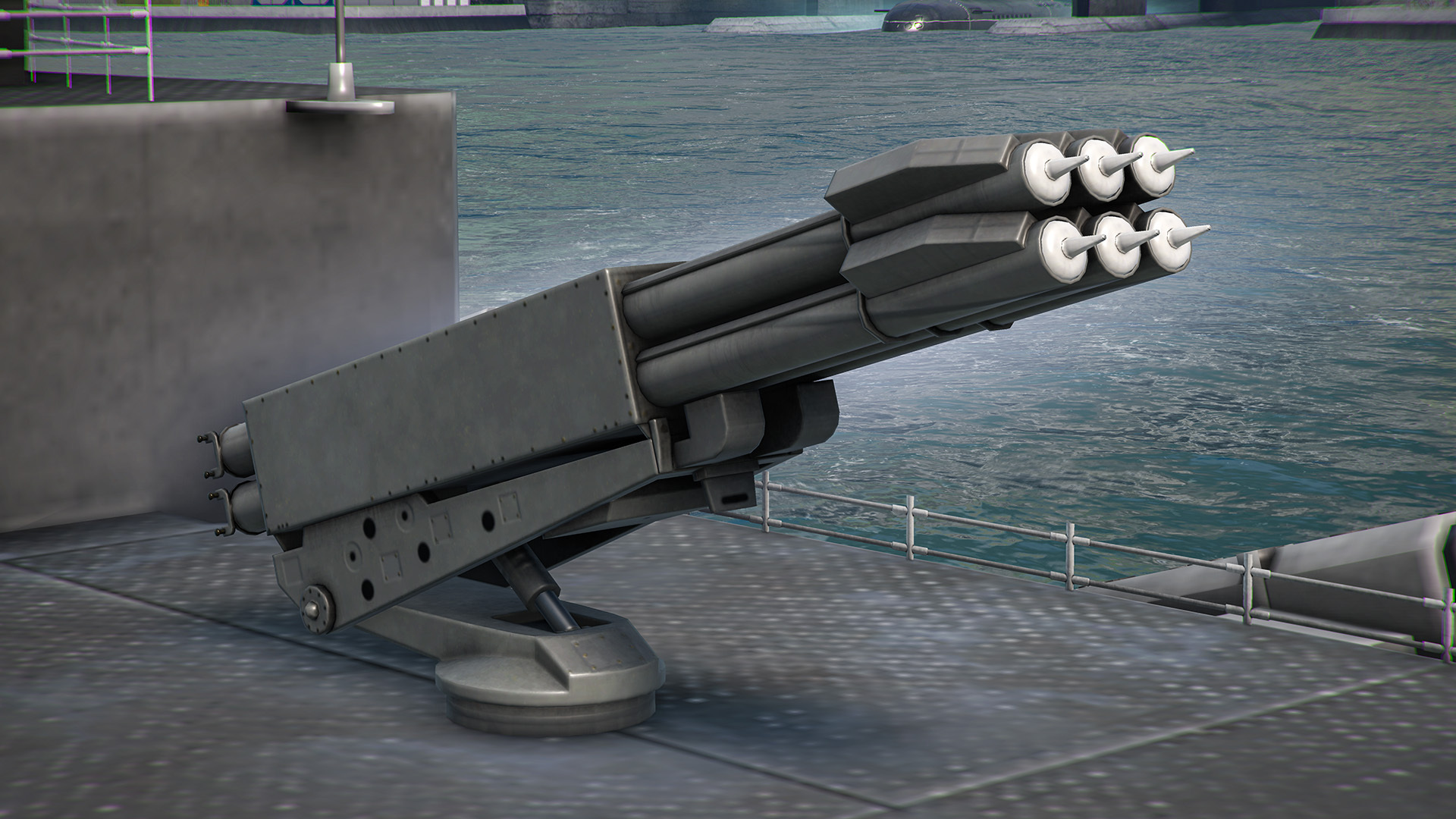
An Israeli multiple launch rocket system based on the Soviet BM-24. It is capable of engaging surface and underwater targets at medium ranges using high-velocity rockets.
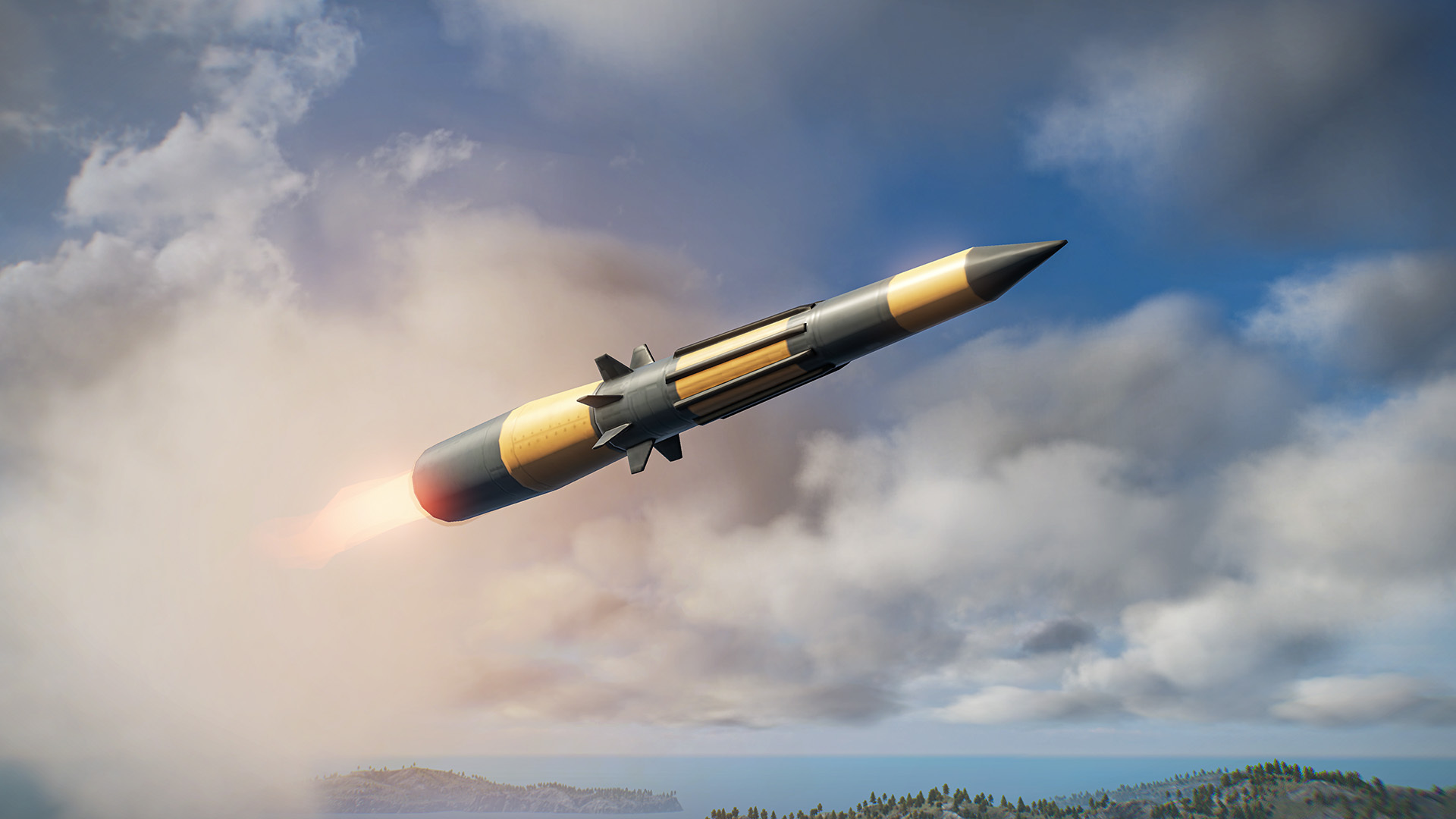
A South Korean long-range ballistic missile designed for naval combat operations and equipped with a conventional warhead. It features high flight speed and can be launched from underwater platforms.
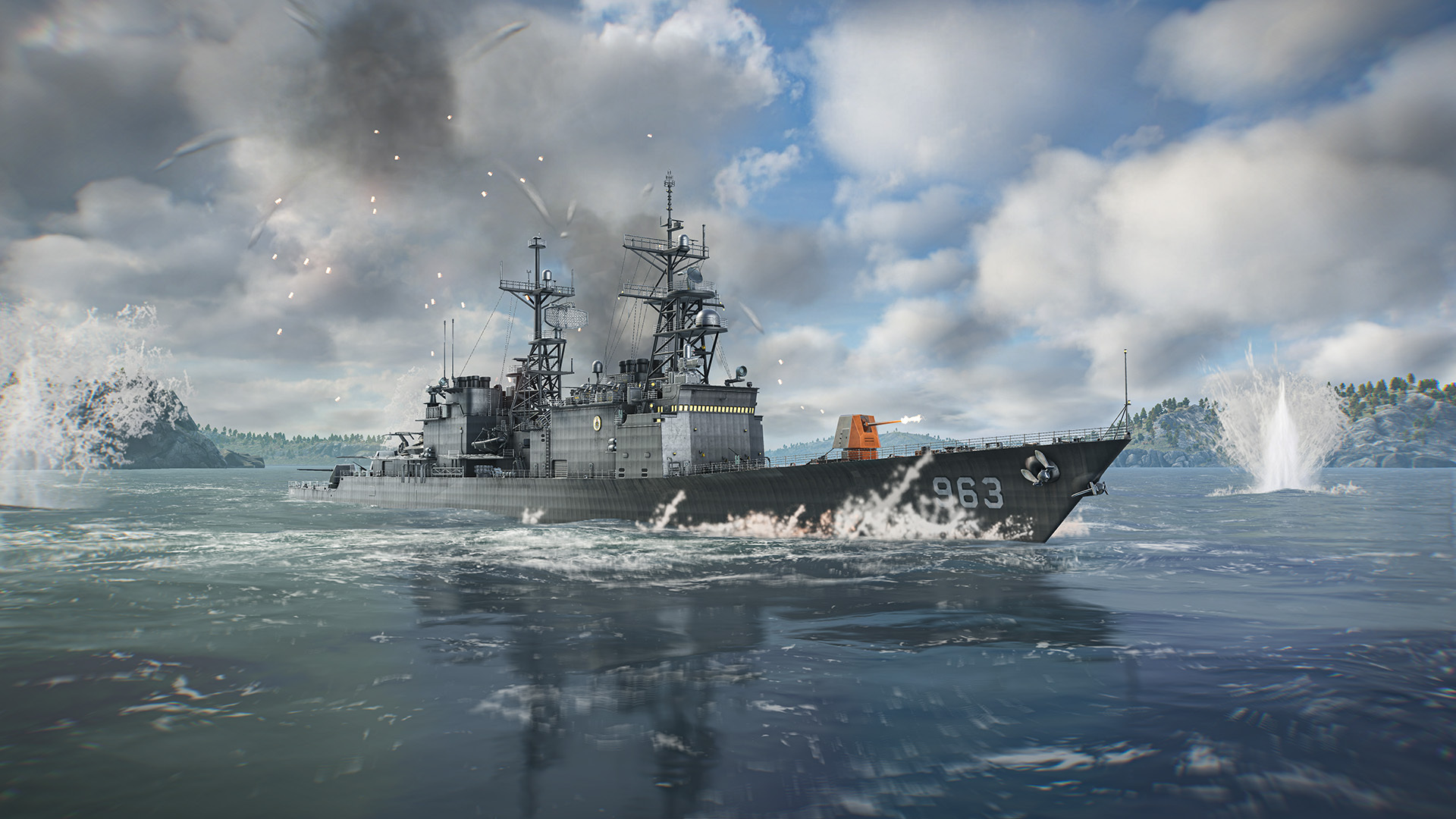
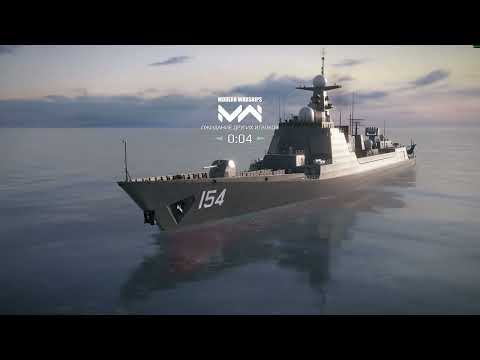
HMAS Hobart (DDGH 39) is the newest Hobart‑class destroyer of the Royal Australian Navy. It was initially designed as a platform with high modernization potential: key systems can be upgraded and replaced as new technologies appear. Its combined diesel‑gas turbine propulsion system provides high speed and good maneuverability. The ship’s firepower is centered around missile systems, but its arsenal is not limited to them, allowing it to operate confidently against any type of target.
HMS Type 32 is a next‑generation British frigate concept. The project focuses on reduced detectability and high survivability, combining excellent seakeeping with modularity that enables rapid replacement and upgrading of many systems. It was envisioned as the fleet’s multirole “workhorse,” capable of autonomous operations, handling a wide range of missions, and performing reliably in challenging environments and any weather, meeting Royal Navy requirements.
BAP Almirante Grau (CLM‑81) served as the flagship of the Peruvian Navy from 1973. The ship underwent multiple modernizations, receiving updated equipment and electronic systems. For its class, it featured high speed, excellent maneuverability, and a deck helicopter. Its primary weapons were powerful artillery guns, reinforced with missile systems and launchers. Numerous reliable air‑defense systems provided its protective capabilities.
A next‑generation twin‑engine Indian carrier‑based strike aircraft developed as an evolution and replacement for the HAL Tejas. The aircraft features redesigned aerodynamics and is built for intensive carrier operations.
An experimental Iranian UAV converted from a manned aircraft into a compact strike drone. This approach improved its stealth and expanded its reconnaissance potential.
A next‑generation experimental combat tiltrotor focused on speed and protection. Its durable armored airframe is combined with modern electronics and composite materials, providing low observability and high reconnaissance efficiency.
A Turkish medium‑range ballistic missile. Its rapid acceleration and high speed make it a serious threat to any surface target.
A French heavy medium‑range torpedo powered by silver‑zinc batteries. It accelerates quickly and fires several projectiles per launch.
An Indonesian prototype launcher capable of striking surface and underwater targets at long distances. Thanks to its special artillery properties, its projectiles have very high flight speed, though it cannot effectively counter torpedoes.
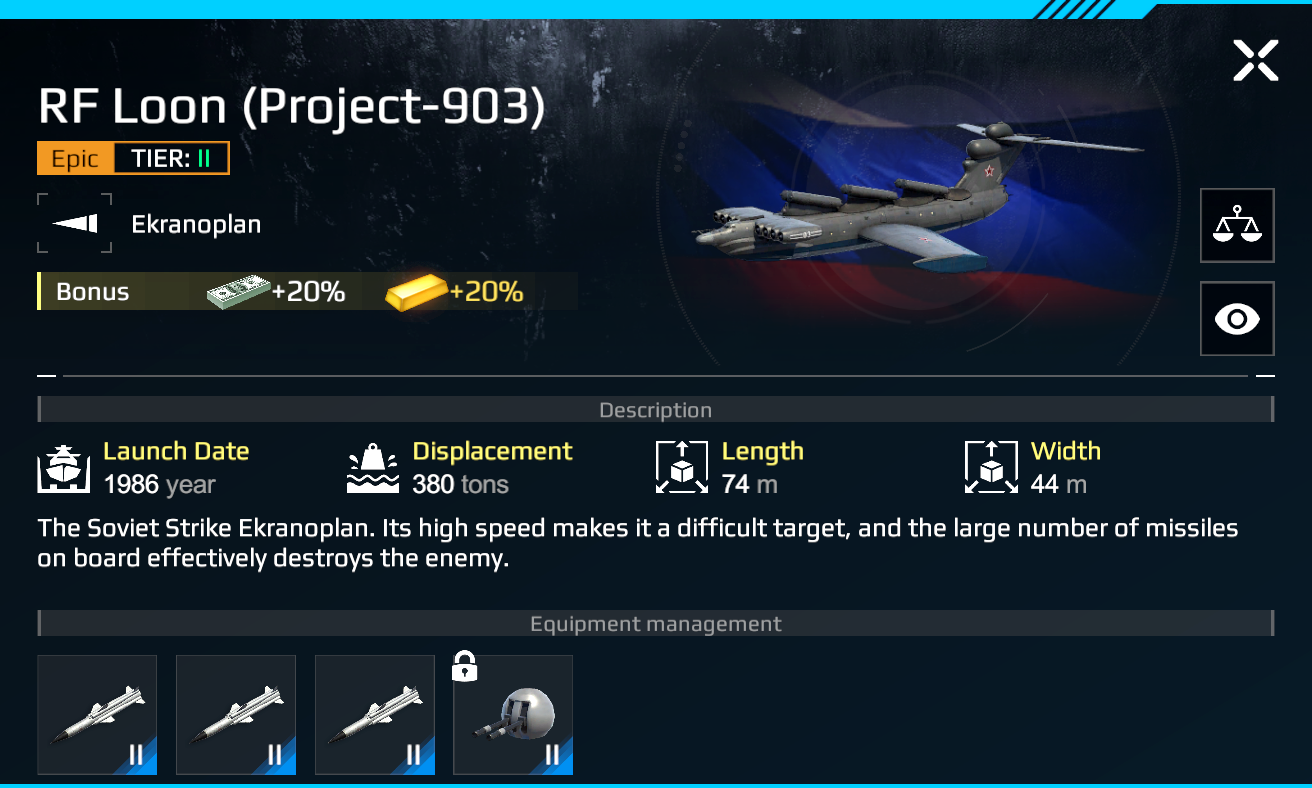
A streamlined ekranoplan‑style drone concept with an enhanced self‑detonating charge. It glides above water at high speed, targeting large ships to disable them using its powerful contact‑detonation warhead.
A two‑stage North Korean submarine‑launched ballistic missile. Its unique design shortens launch preparation time and increases flight speed by reducing range and strike radius.
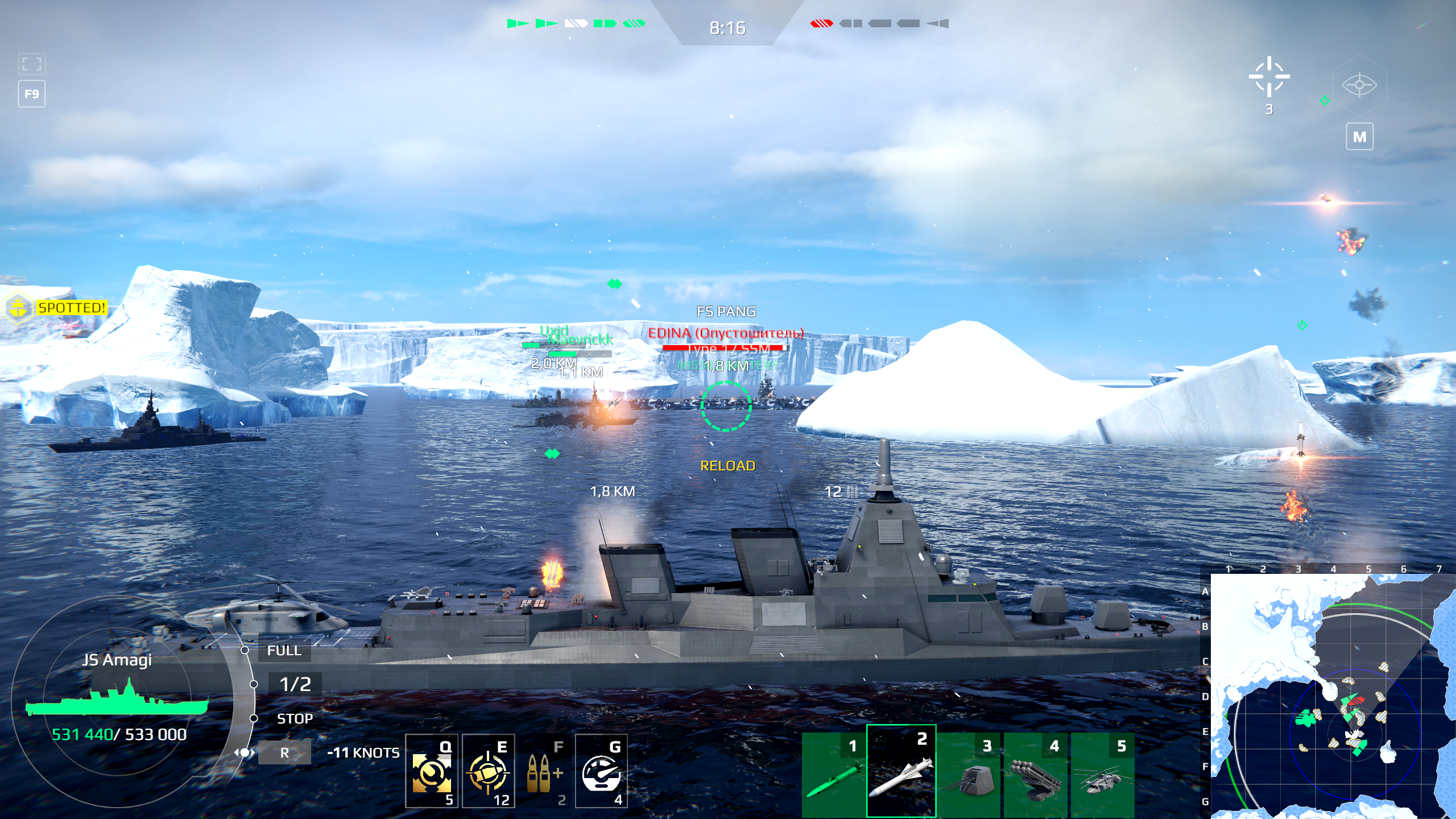
Cold winds and massive ice formations greet you the moment you enter the expanses of the Arctic… Silvery water glimmers under the dim sky, while mist hides the shores, turning every strait into a frozen, shifting maze. Glaciers — majestic and indifferent — can crack and collapse under the powerful strikes of rockets and cannons, altering the course of battle and opening new routes and tactical opportunities where impassable barriers stood just moments earlier.
Almost absolute calm, clear weather, and countless rocks offering at least some cover — what more could one want for a glorious sea battle? The Rocky Channel is a serene azure sea bordered by massive stone cliffs rising straight from the water like ancient guardians. The sky is streaked with thin clouds, the sun reflects softly in the mirror-like surface, and far in the distance the silhouettes of enemy ships can barely be seen.
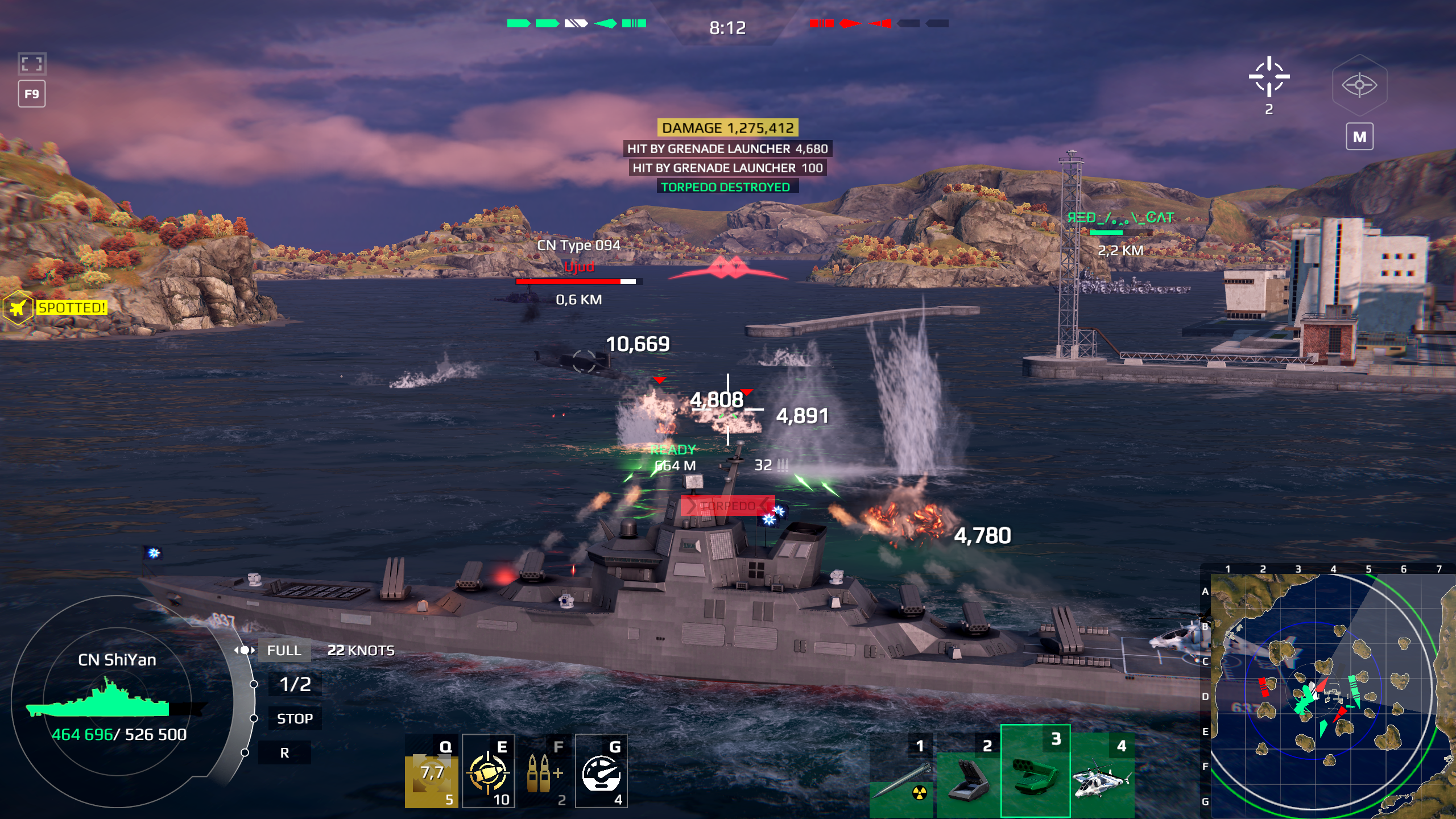
The Old Factory reveals itself among quiet, shadowed cliffs where the sea, tinted by the colors of the evening sky, rocks gentle waves reflecting the rosy clouds on the horizon. Autumn forests on the rocky hills seem to glow with their last warmth, resisting the cold breath of the wind that slips through narrow passages and brings the smell of damp air and an approaching fog.
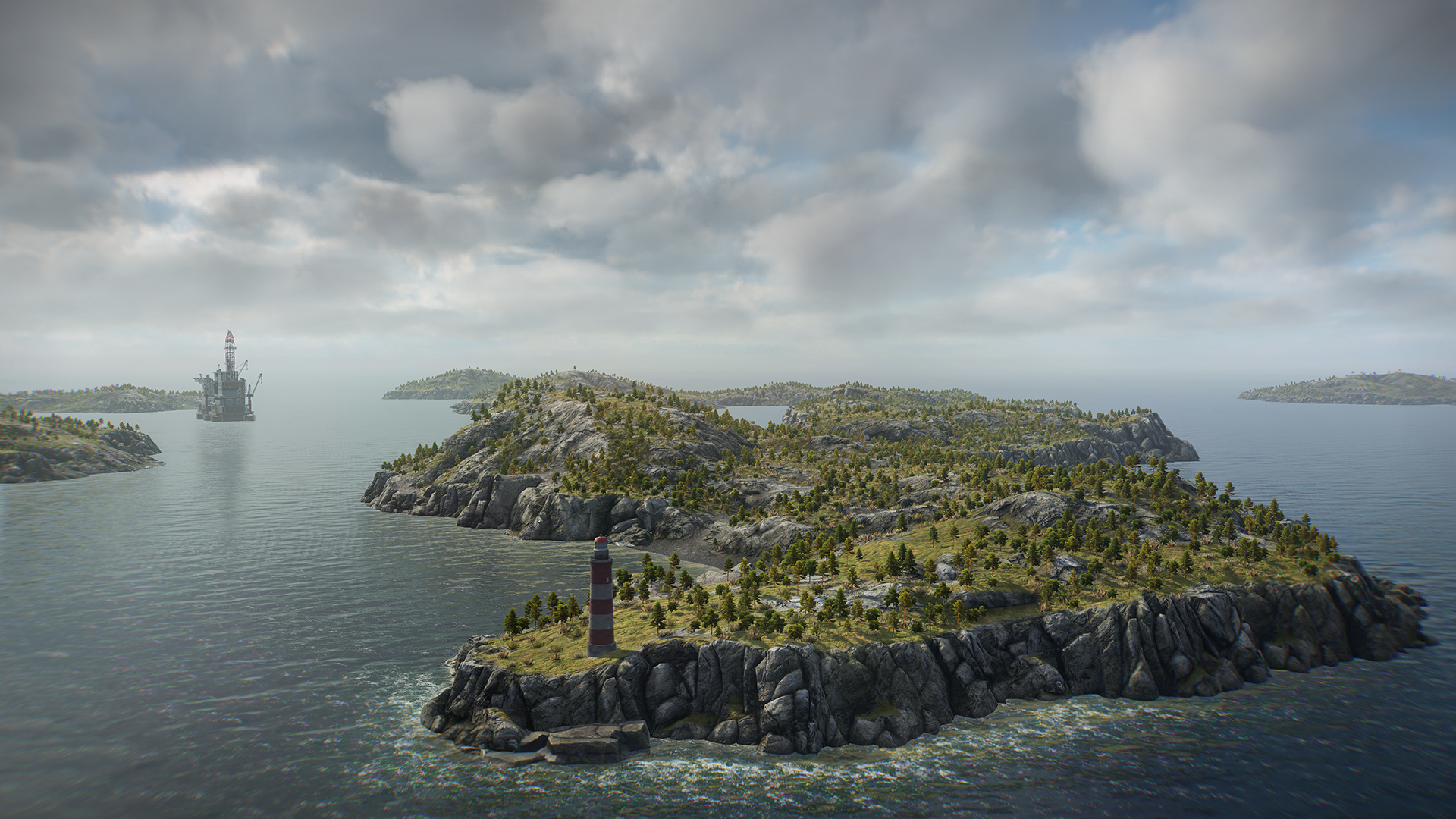
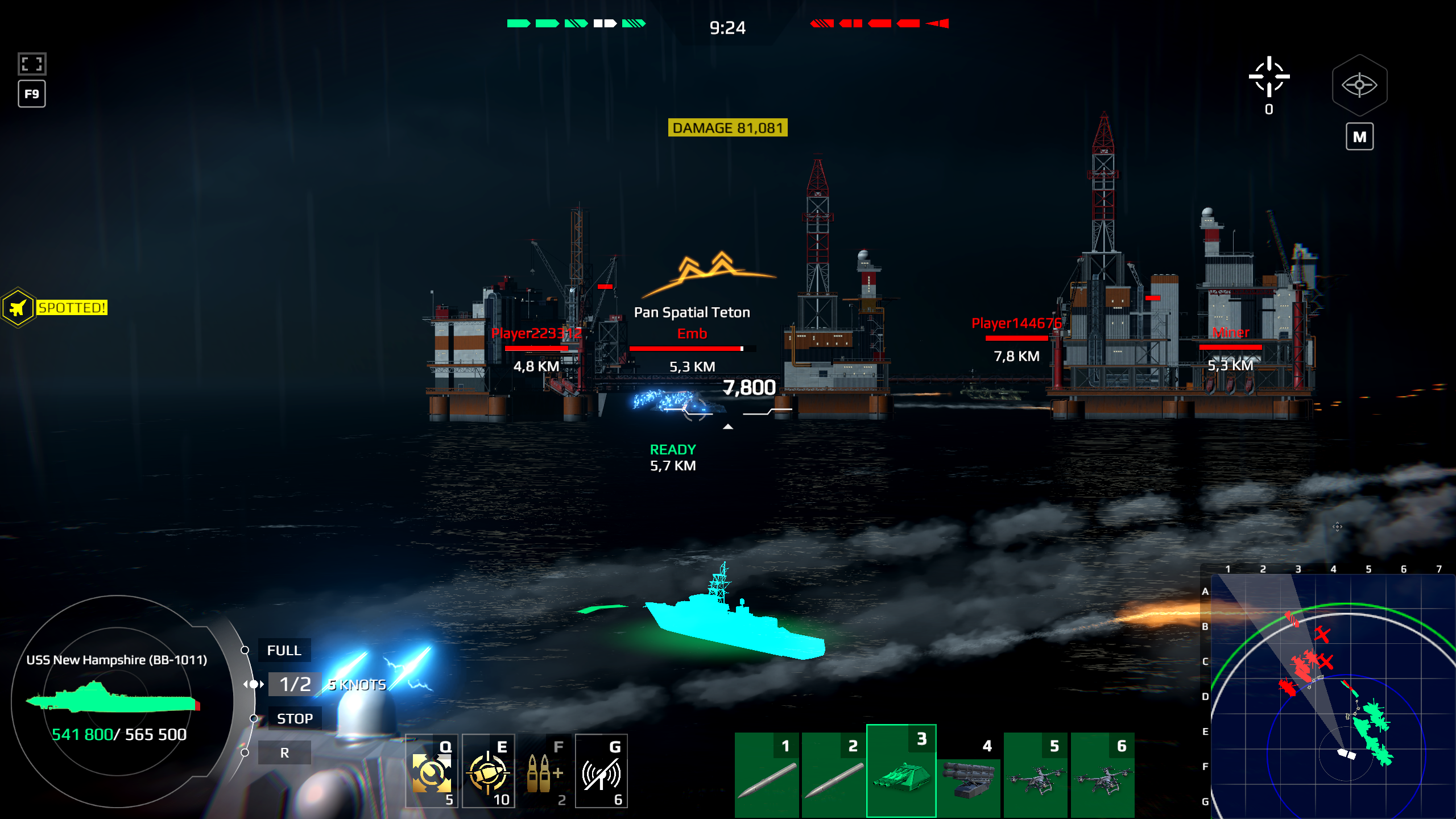
In Viking Bay the weather is almost always clear, and the constant calm creates a special, almost unreal tranquility over this peaceful northern archipelago. Nearby lies a small port village — a refuge for workers from the surrounding offshore oil rigs scattered farther out to sea.
What could sound louder than cannon fire and rocket salvos? Only thunder that majestically drowns out the noise of battle, and the furious roar of raging waves crashing against the harsh cliffs. The Islands of Iceland display this primal force with untouched precision, as if nature itself has decided to join the battle on equal terms with humans.
In the golden rays of dawn — or the fiery glow of sunset — the battle begins among the ruins of the City After the War. Once majestic districts now lie half submerged, half collapsed across the ravaged land, as if the earth itself could not withstand the horror that befell it.
The name of these lands is fully justified: in the heart of the archipelago, on a solitary rocky island, rises an ancient stone fortress. Though it has long lost its military purpose, it still stands as a grim sentinel of the past, looming over the calm water. Its weathered walls remind of bygone battles, even if only cold silence fills them today.
These lands look as though they belong not to Earth, but to a distant, lifeless planet. Massive sand formations carved by time and battered by dry winds stretch to the horizon, and the rare, stubborn vegetation only emphasizes the sense of alienness and abandonment.
Missed the summer getaway? The Tropics offer a real refuge for those who appreciate both warm climates and classic naval combat tactics. In the center of the archipelago towers a massive volcano like a guardian of these lands, surrounded by islands wrapped in dense, nearly impassable jungle.
Cold winds and somber stone cliffs greet you as soon as you enter the Polar Frontier. Silvery water glimmers under the heavy northern sky, and fog hides straits and ravines, turning the archipelago into a twisted maze of rocks. On some islands small fishing villages appear in the distance.
Here you can truly immerse yourself in the coastal nature of the Land of the Rising Sun. Sakura groves and quiet fishing villages live their measured, almost eternal lives, seemingly unaware of the storms and battles unfolding around them — whether duels between ships on the water or the rivalry of two mighty volcanoes.
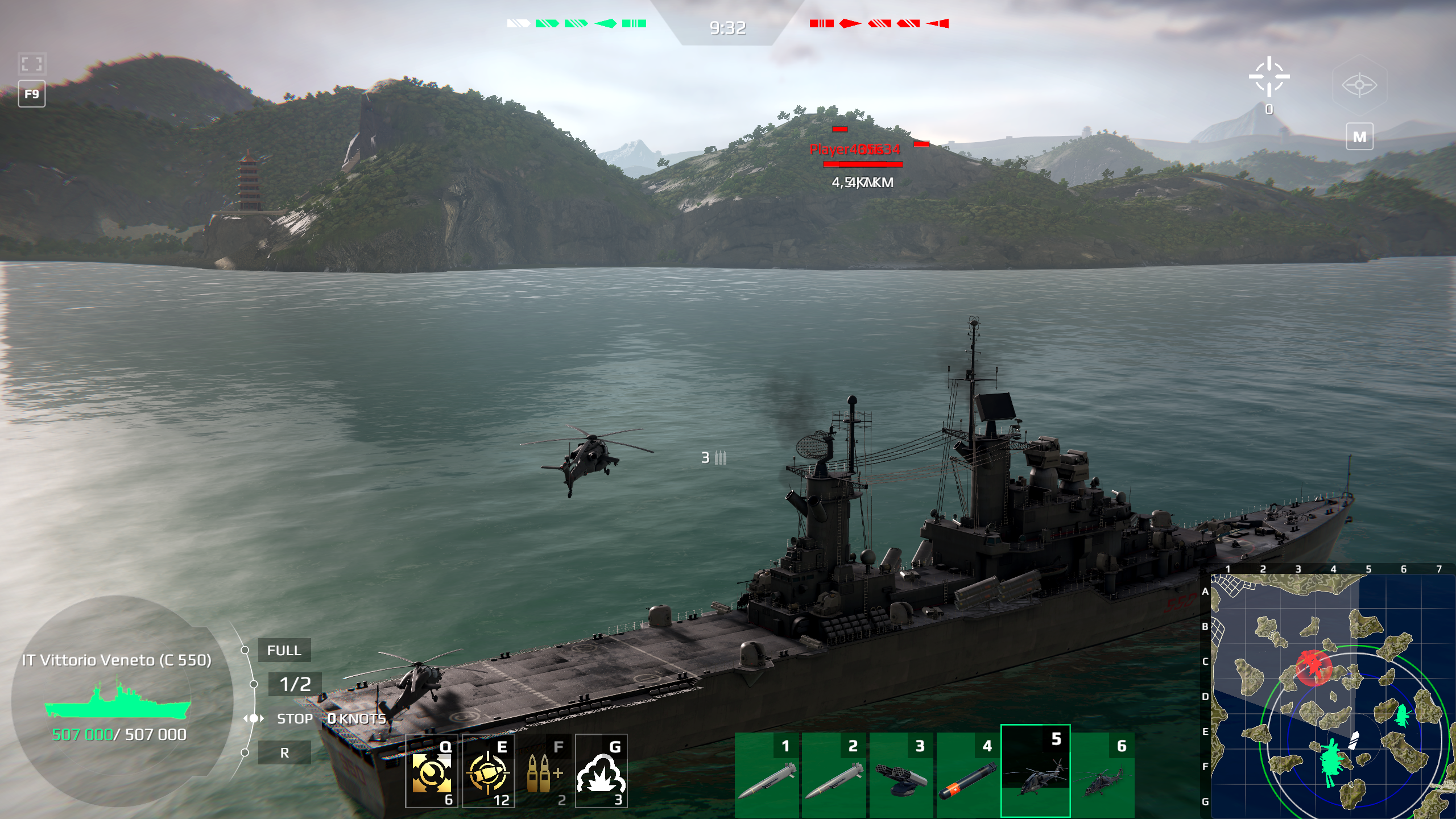
The vast green landscapes of the Celestial Empire immediately catch the eye, captivating anyone who enters these waters. The magnificent combination of wide valleys and towering stone walls stretching along the mountain ridges contrasts sharply with the cozy fishing villages scattered across several coastal islands.
Like pillars fallen from the sky and driven into the earth, these colossal stone spires immediately draw attention. Narrow passages between the towering cliffs make every battle here unpredictable, turning even familiar maneuvers into a test of tactics and reaction.
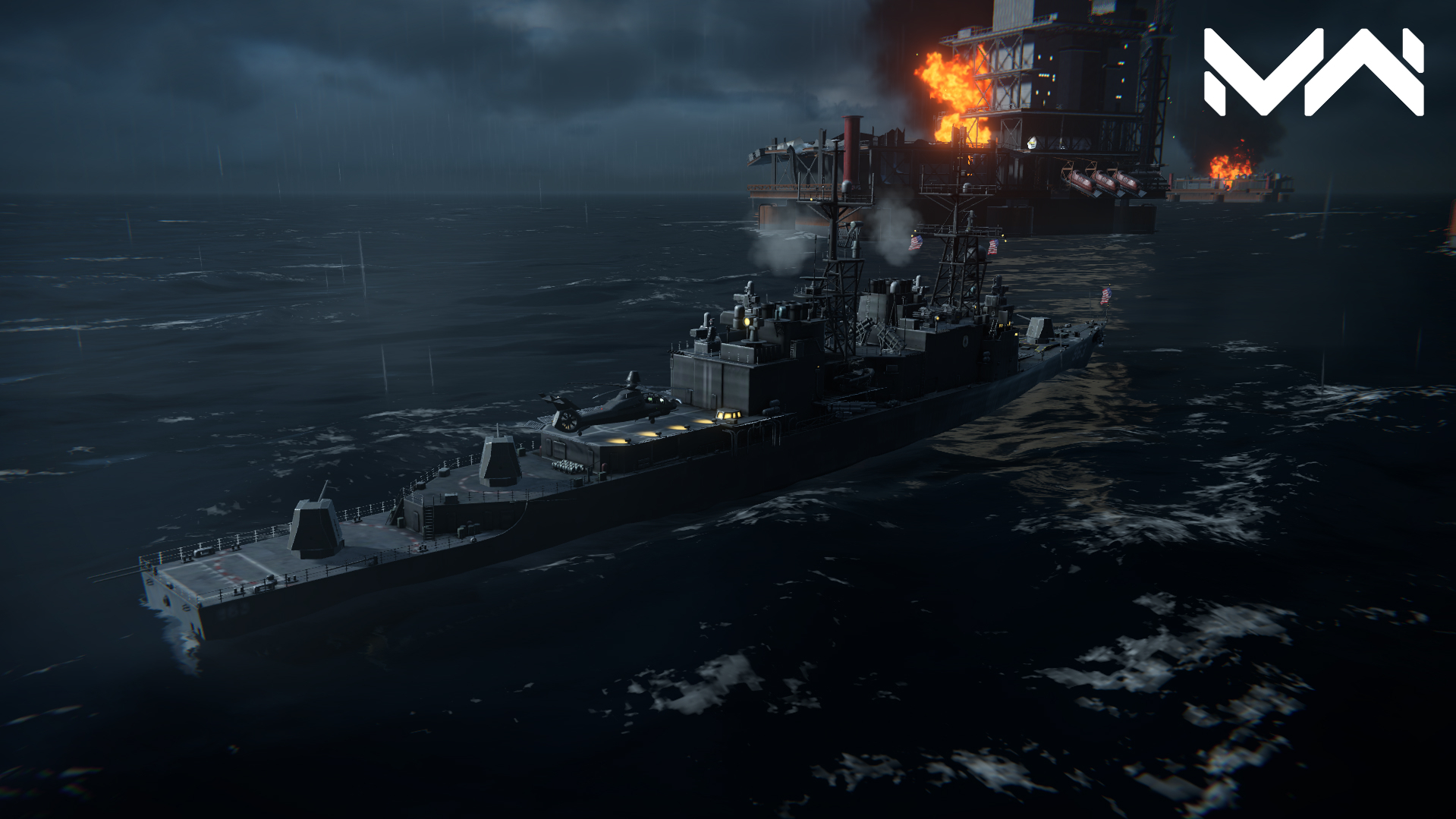
The vast expanse of a raging ocean, a furious storm, and several hastily abandoned oil rigs standing lonely amidst the waves — all of this creates an arena for a swift and ruthless fight for control of the area. If the rigs obstruct your fire, you can turn them into ruins with powerful cannon and rocket volleys, sending pillars of flame and smoke into the sky — heralds of your enemy’s inevitable fate.
Loading