



Install Steam
sign in
|
language
简体中文 (Simplified Chinese)
繁體中文 (Traditional Chinese)
日本語 (Japanese)
한국어 (Korean)
ไทย (Thai)
Bahasa Indonesia (Indonesian)
Bahasa Melayu (Malay) BETA
Български (Bulgarian)
Čeština (Czech)
Dansk (Danish)
Deutsch (German)
Español - España (Spanish - Spain)
Español - Latinoamérica (Spanish - Latin America)
Ελληνικά (Greek)
Français (French)
Italiano (Italian)
Magyar (Hungarian)
Nederlands (Dutch)
Norsk (Norwegian)
Polski (Polish)
Português (Portuguese - Portugal)
Português - Brasil (Portuguese - Brazil)
Română (Romanian)
Русский (Russian)
Suomi (Finnish)
Svenska (Swedish)
Türkçe (Turkish)
Tiếng Việt (Vietnamese)
Українська (Ukrainian)
Report a translation problem


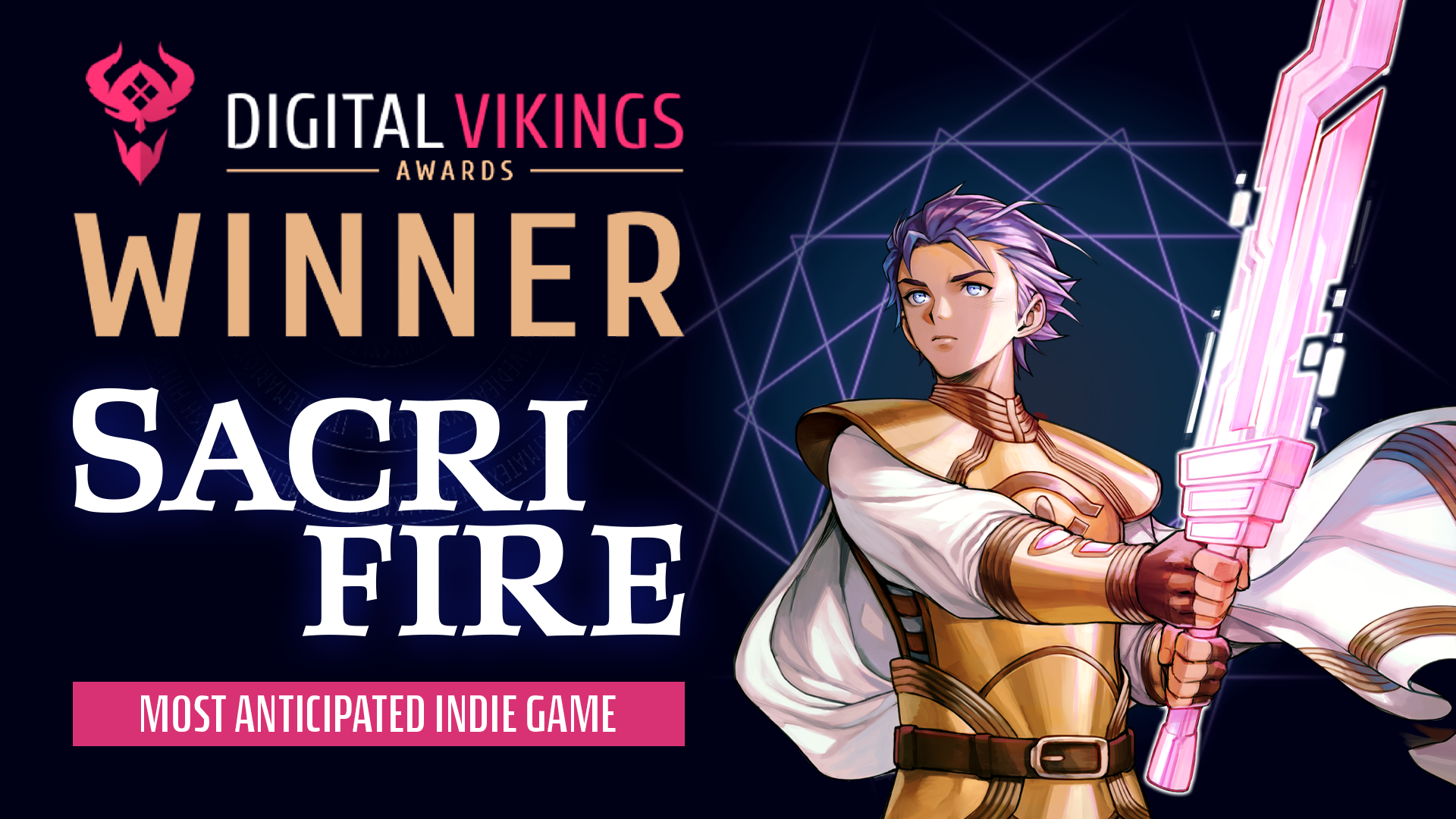 We’re very happy to share that SacriFire won Most Anticipated Indie Game at the Digital Vikings Awards! ❤️🔥

 Hi, my name is Krzysiek. On SacriFire, I work on design and level art, and I also handle most of the combat design. Lately, my main hobbies have been trying not to go insane and not gain too much weight during development.
 This is my first real project in game development, and looking back at how our combat system evolved, I’ve come to realize it's less of a straight path and more of a constant process of questioning, breaking things, and trying again. So, I wanted to take a moment to walk you through that journey - what we tried, what didn’t work, and how the system slowly grew into what it is today.
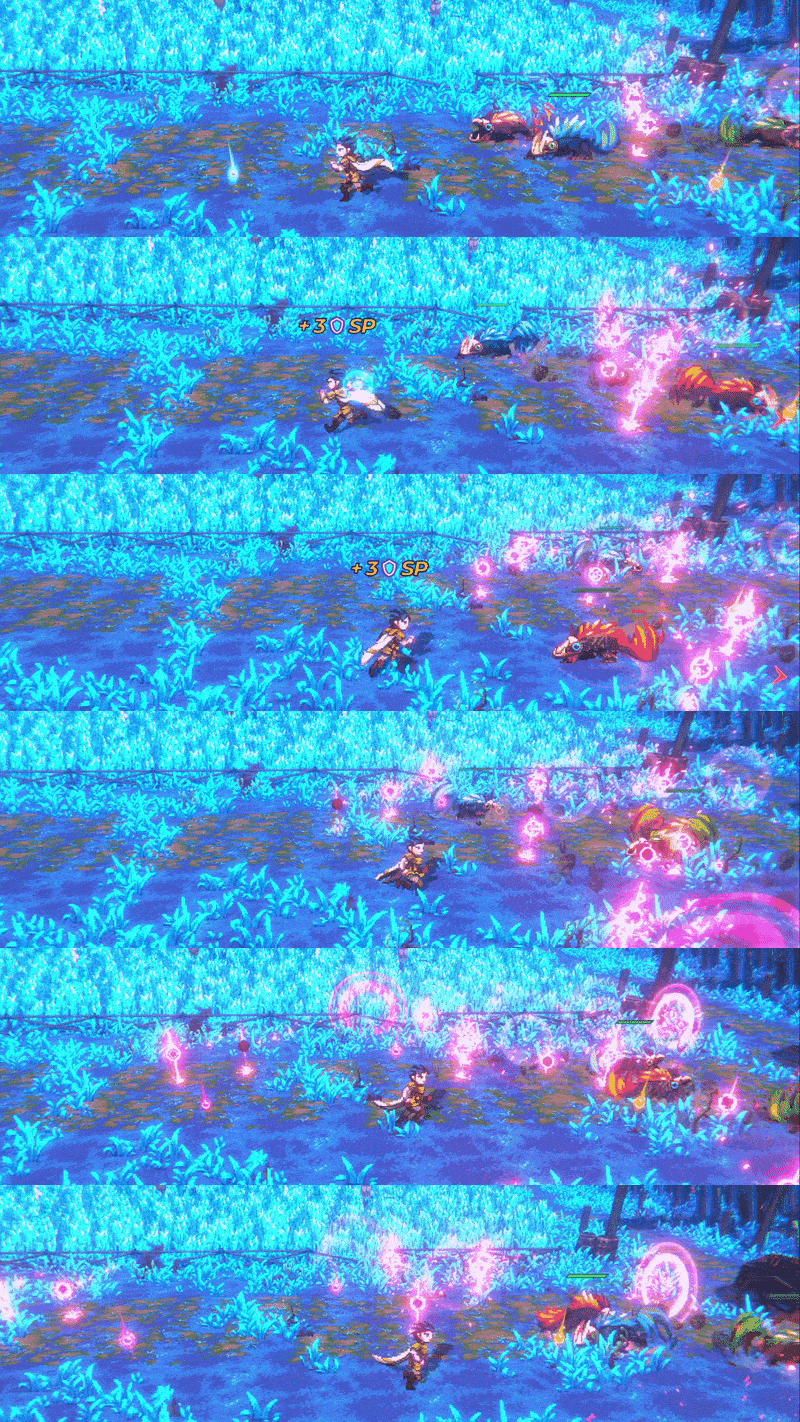 At the same time, we made a conscious decision to separate combat encounters from exploration. Instead of fighting enemies directly in the world, encountering them would transition the player into a dedicated battle arena - a solution deeply rooted in classic JRPG design. Admittedly, it was a departure from our original inspiration, but one that felt right for the pacing we were aiming for.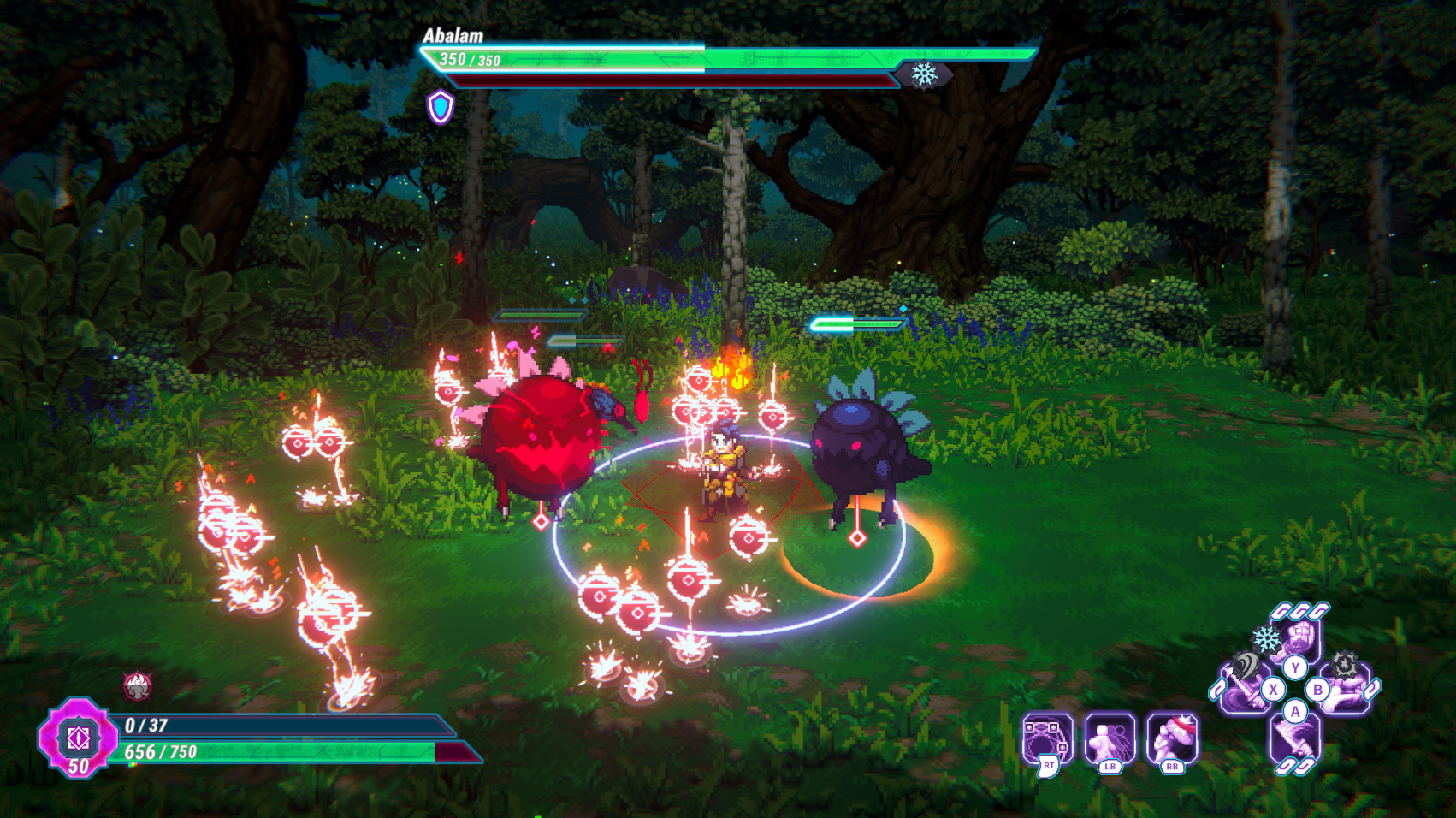
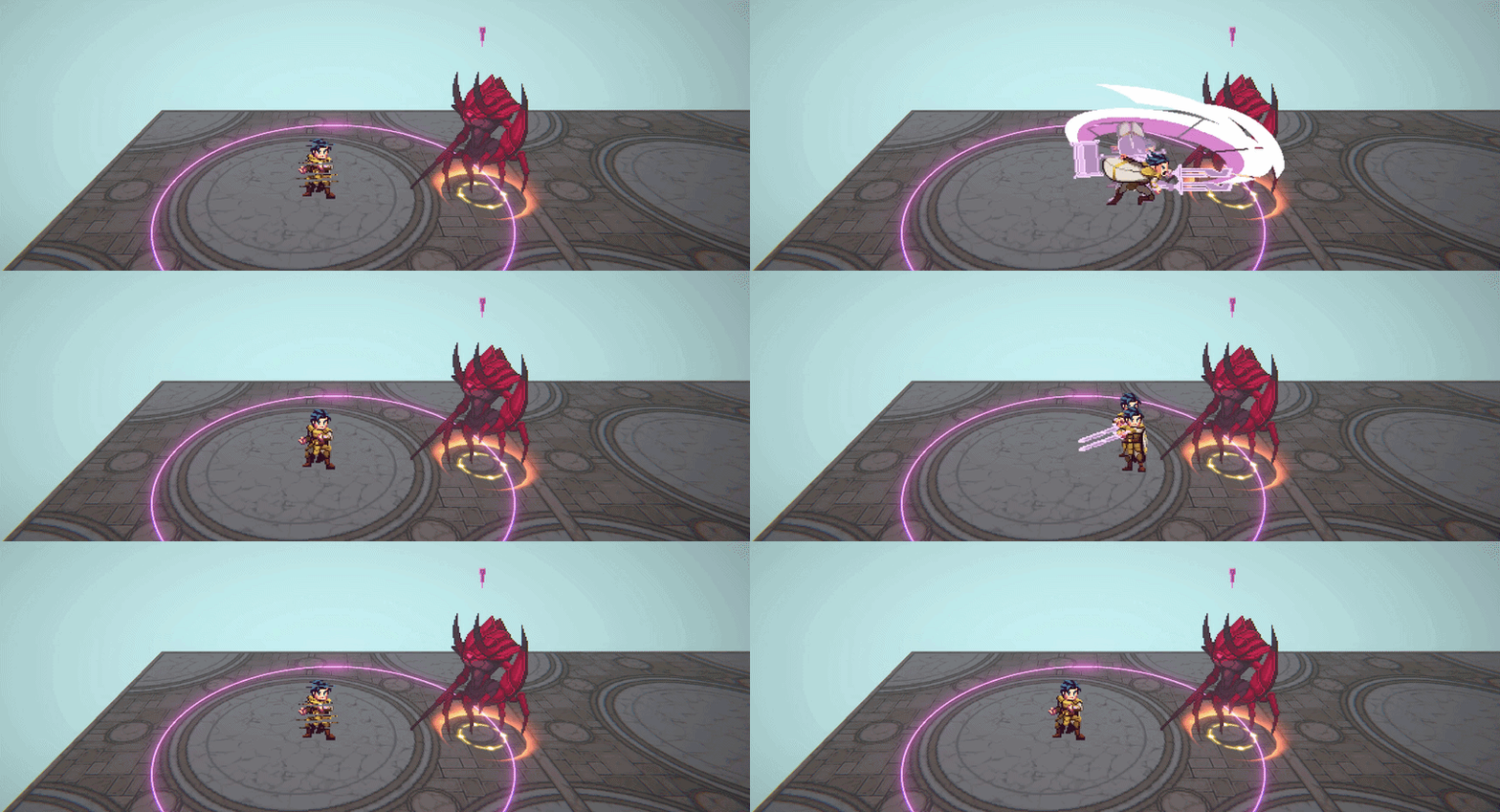 After coming back from the holidays with fresh heads (and extra insulation), we shifted our focus heavily toward the feel. Enemy behavior, responsiveness, clarity - all the small things that are easy to overlook when you’re zoomed out and focused on systems, but absolutely crucial for making combat enjoyable all the same.
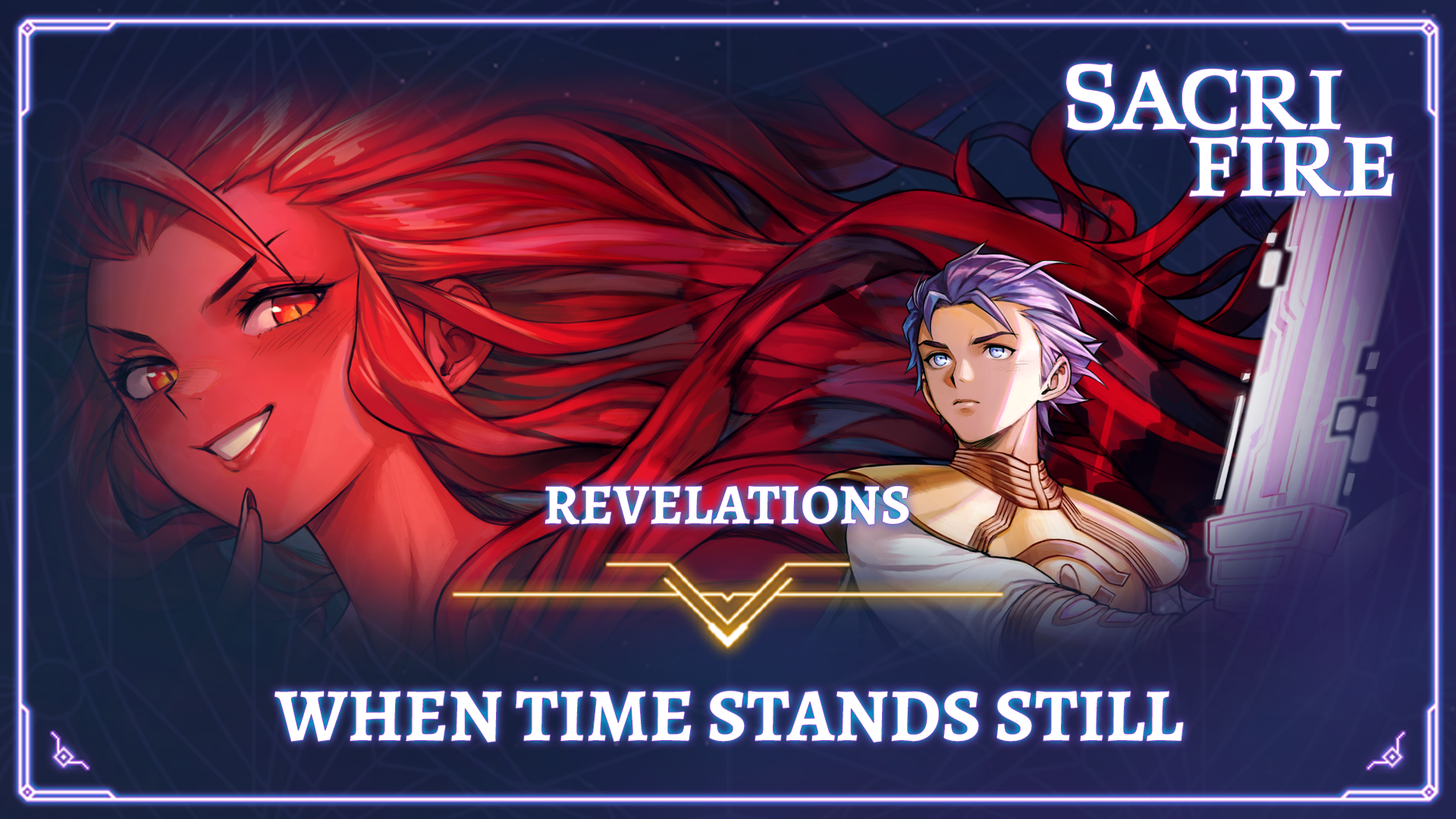
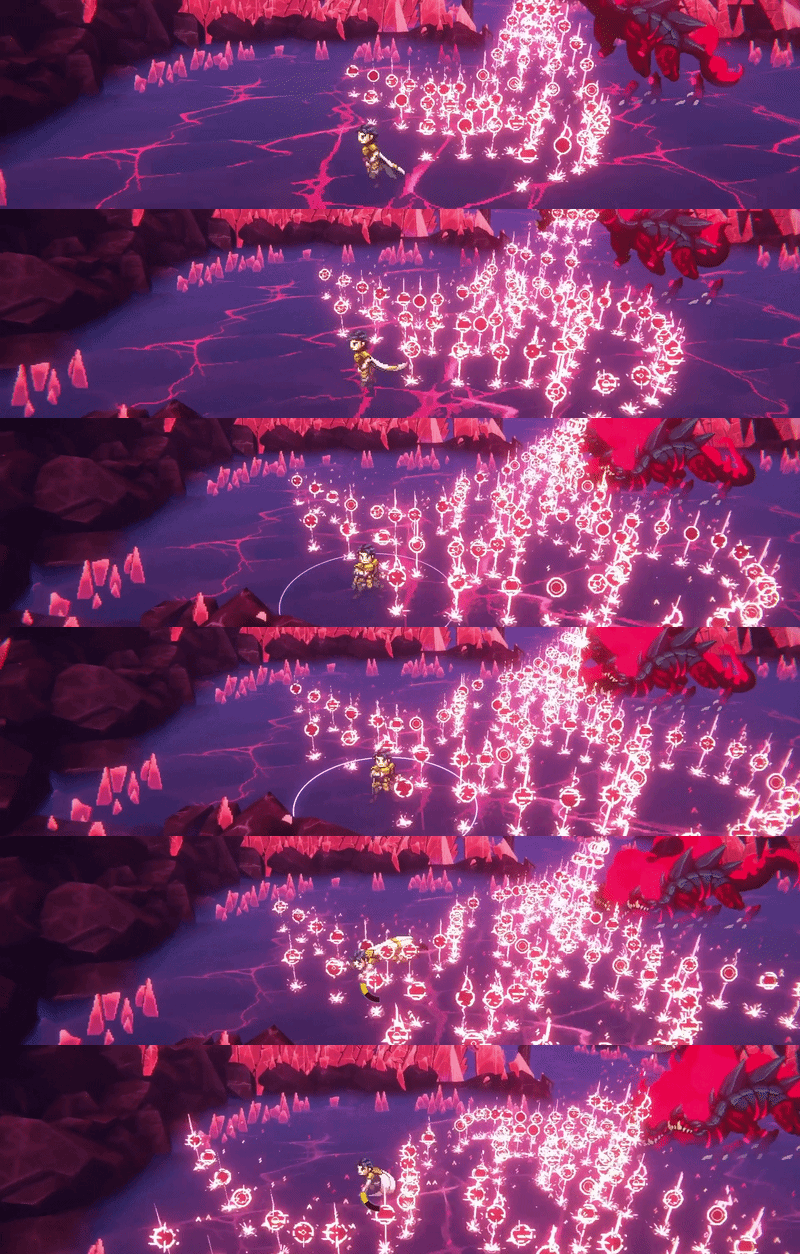 “When the player stands still, the world stands still with them”. A simple enough concept, but one that required rethinking a lot of the underlying systems we had in the oven - especially AI behavior and the principles of how enemies initiate and execute attacks. Still, it brought a kind of cohesion to combat that we were previously missing. Something finally budged, and this time, it was in the right direction.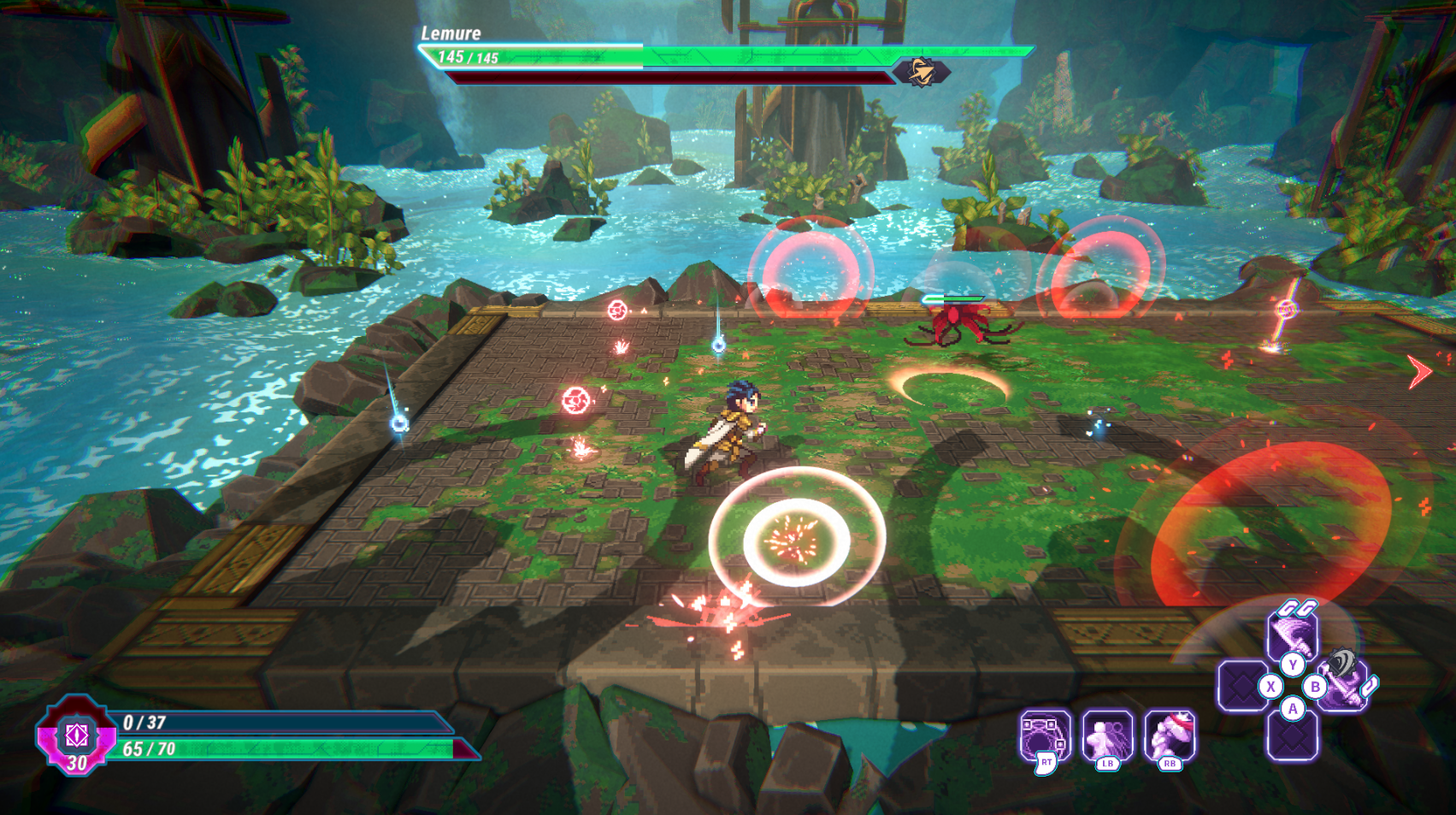
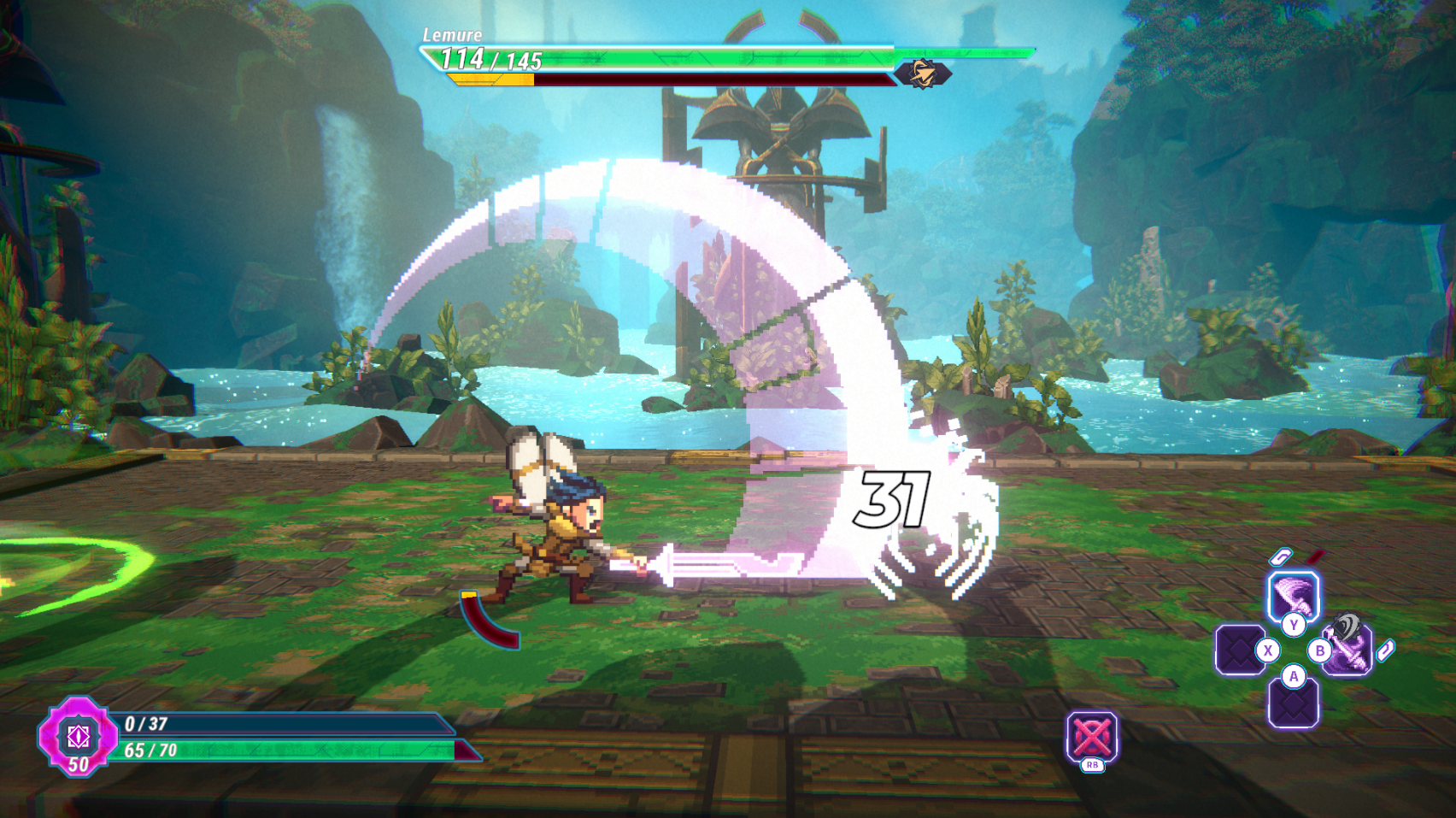 When you think about it, the whole point of such a weapon would be adaptability - the ability to respond to different enemies and situations dynamically, as the situation requires. Locking the player into a single form felt like wasted potential, a potential we were determined to unearth and give the concept justice.
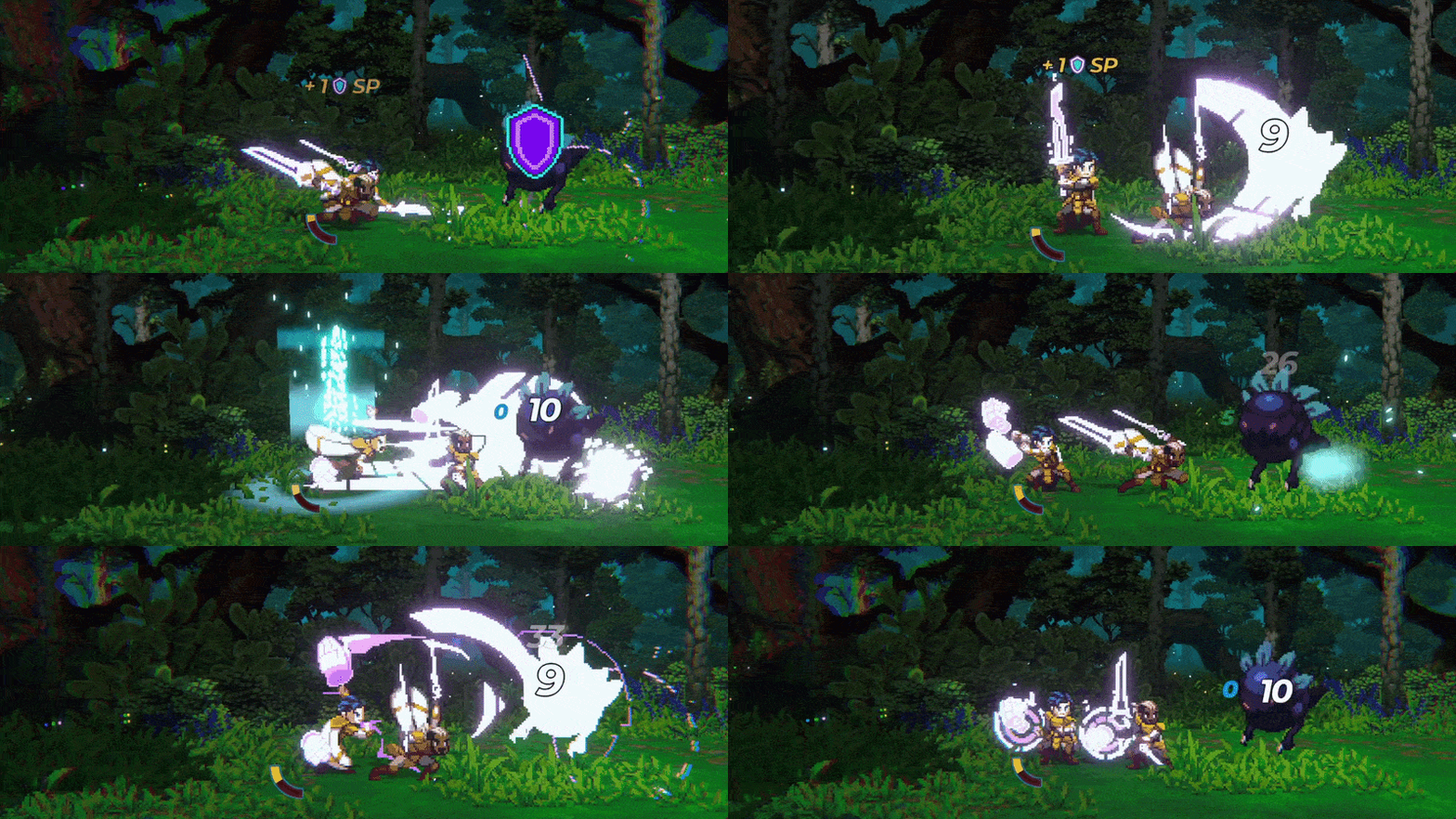 More questions began bubbling to the surface: What if each weapon form had its own unique advantage? What if one of those could excel at breaking through armor, the other could slow and hinder enemies, and yet another one apply battlefield pressure in even more different ways? Ultimately, the most pertinent question surfaced: What if these forms could fluidly interact with each other? That’s when the idea of combos started to take shape - sequences of attacks mixing different weapon styles together, in a specific order, triggering unique combat effects on execution. Suddenly, the weapon wasn’t just versatile - it became expressive.
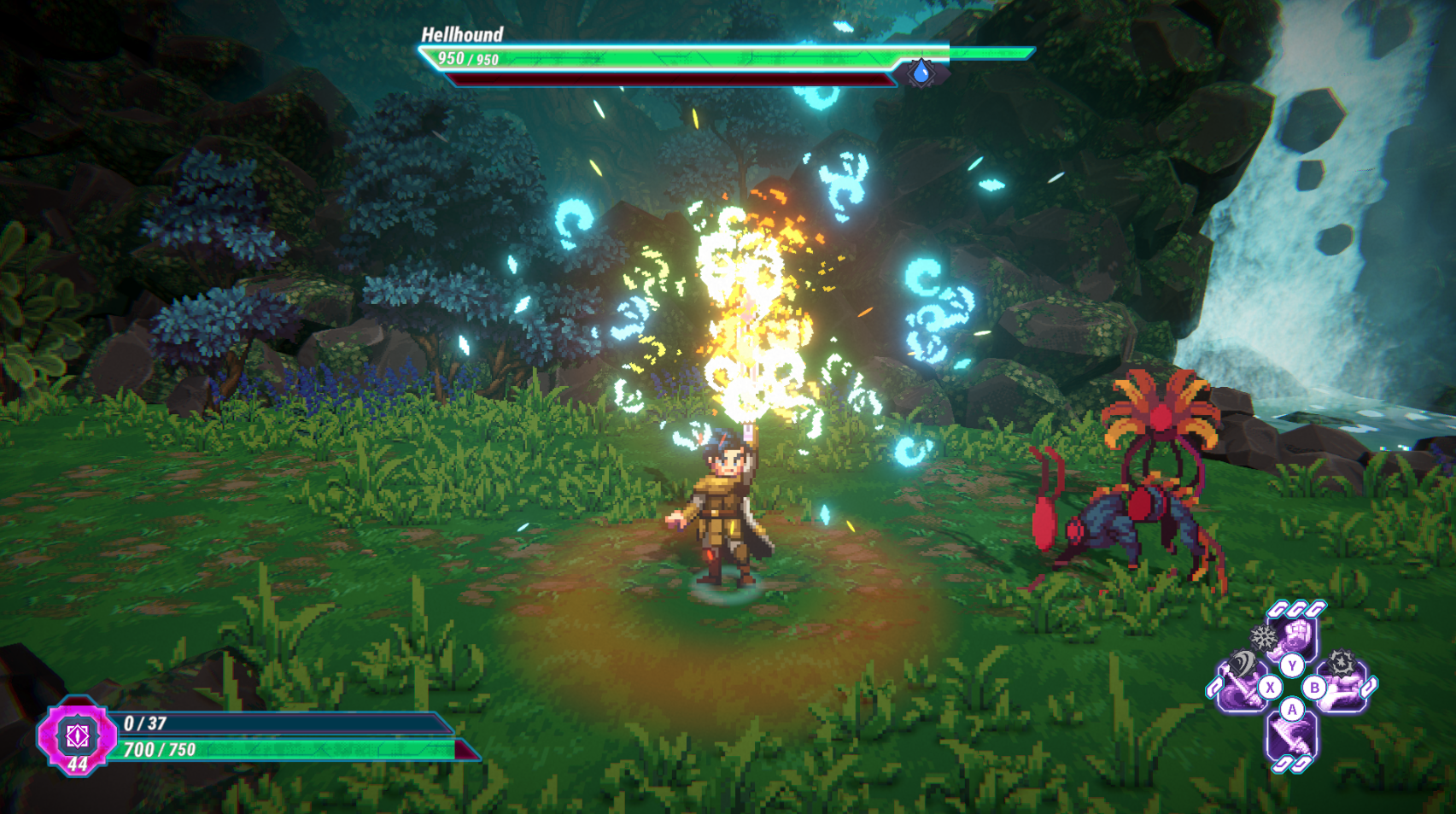 The resulting system struck us as one where mastery isn’t just about knowing what to use, but when. The DIVOS became a tool for every task, and it fell on the player to best tap into those possibilities by properly composing their attacks. To that end, the combos were one of the first changes we introduced, but not the only one. In our search for fun and focus, we also decided to revamp a concept from the earliest stages of development, namely, the Affinity system.
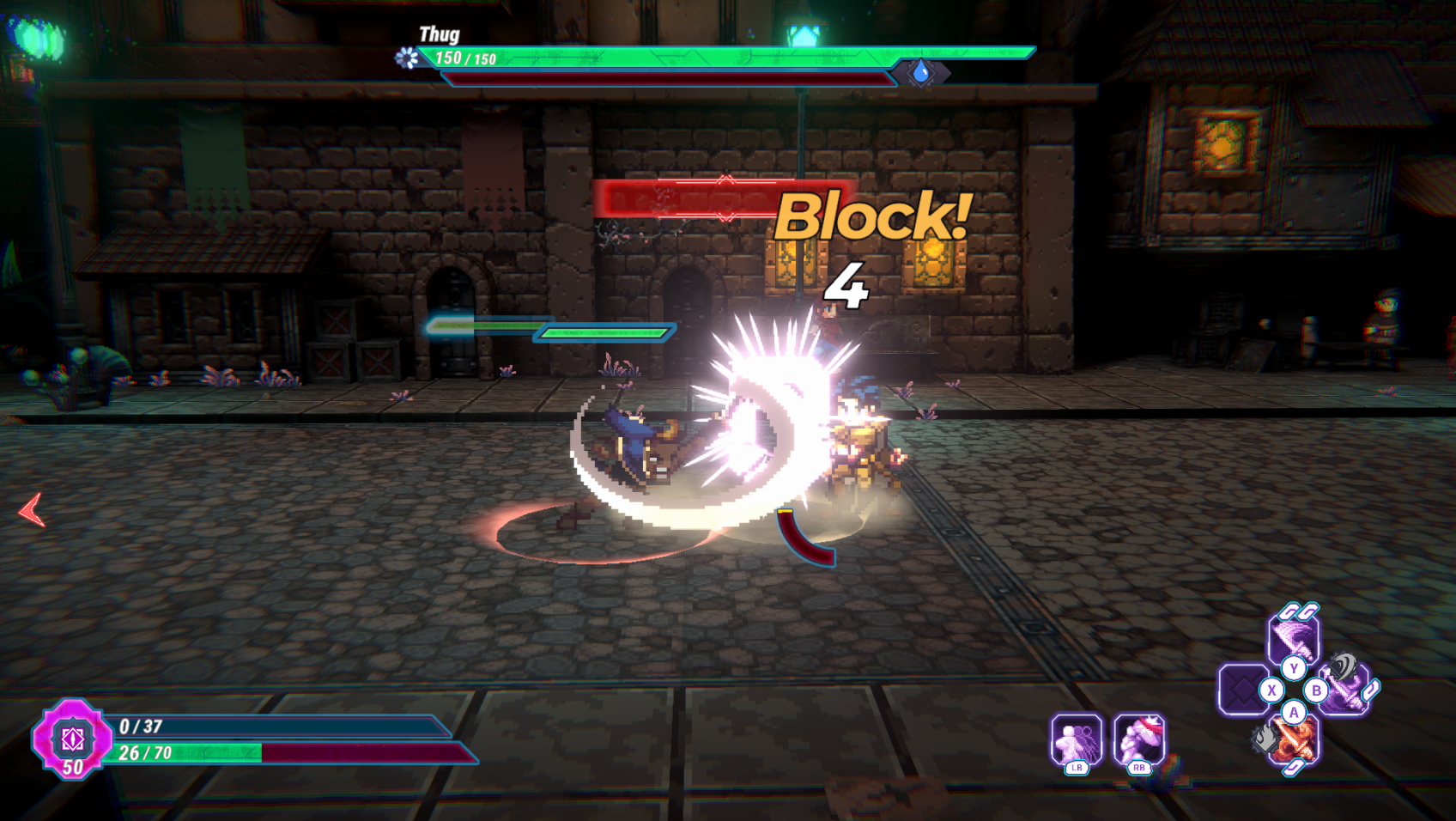 That changes how we think about balance. Ezekiel needs enough tools to handle pressure, adapt to different enemies, and stay in control, but not so many that every encounter loses its teeth. Companions add extra options and moments of cooperation, but they don’t replace the need for the player to understand the flow of combat.
 Award
Award 0
0


 Hey everyone!
 Loading

