



Install Steam
sign in
|
language
简体中文 (Simplified Chinese)
繁體中文 (Traditional Chinese)
日本語 (Japanese)
한국어 (Korean)
ไทย (Thai)
Български (Bulgarian)
Čeština (Czech)
Dansk (Danish)
Deutsch (German)
Español - España (Spanish - Spain)
Español - Latinoamérica (Spanish - Latin America)
Ελληνικά (Greek)
Français (French)
Italiano (Italian)
Bahasa Indonesia (Indonesian)
Magyar (Hungarian)
Nederlands (Dutch)
Norsk (Norwegian)
Polski (Polish)
Português (Portuguese - Portugal)
Português - Brasil (Portuguese - Brazil)
Română (Romanian)
Русский (Russian)
Suomi (Finnish)
Svenska (Swedish)
Türkçe (Turkish)
Tiếng Việt (Vietnamese)
Українська (Ukrainian)
Report a translation problem




 “In the beginning we had a lot of start-up energy,” says Bittner about life at the fledgling studio. “Everyone was involved with doing every-thing. It was a very friendly and very ambitious team, and everyone was determined to prove that we could do this. It’s still friendly and feels like a bunch of friends making games, even though today we’re almost up to 300 people!”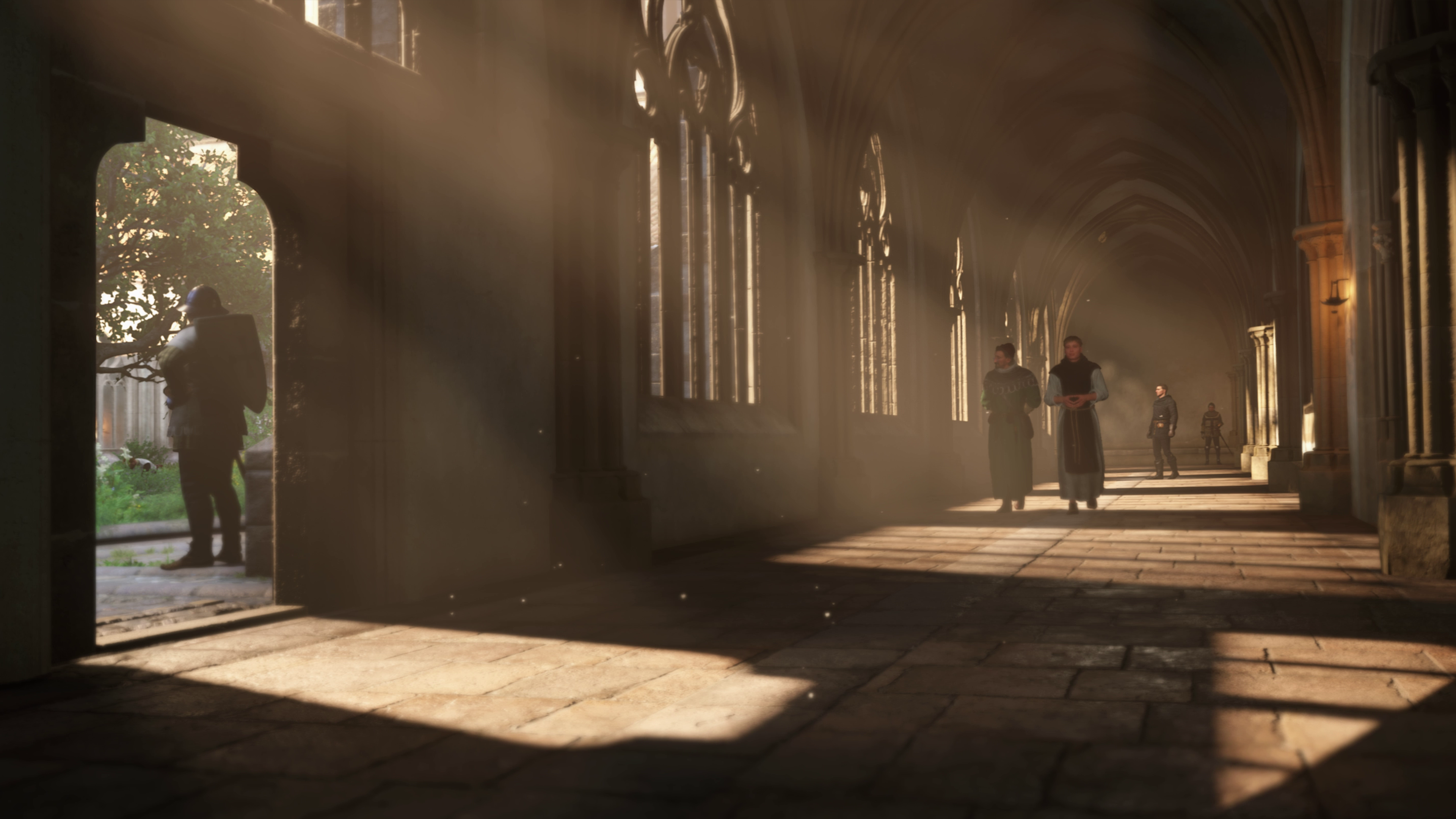
 The success of Kingdom Come: Deliverance went on to prove the team right in their approach. But if this first game was about demonstrating the viability of a very unique take on openworld RPGs, the sequel set out to deliver on the team’s true ambition.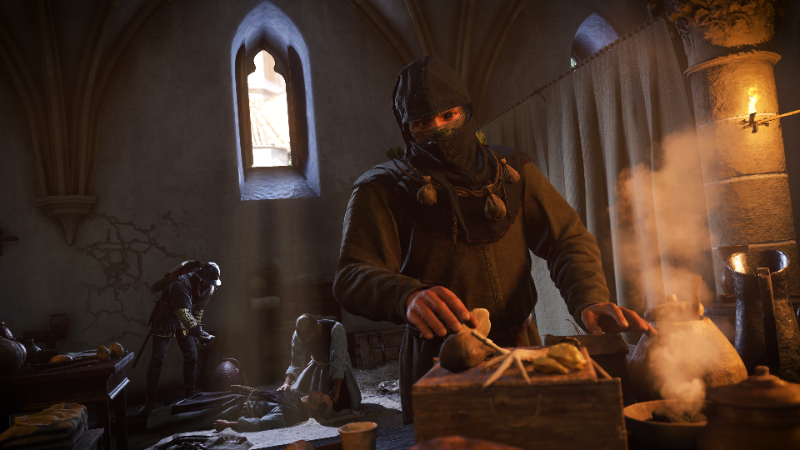
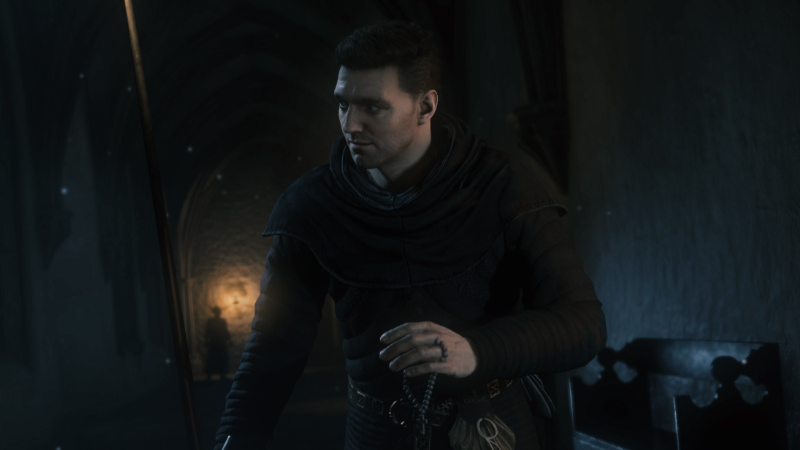 If there’s one underlying value that has helped the team maintain success on its own terms, Bitter cites an appetite for risk and a desire to stand out from the other big hitters in the RPG landscape.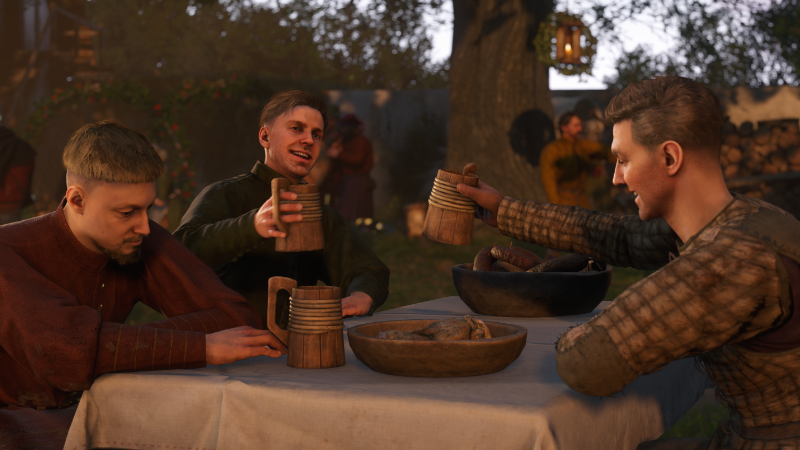

 Award
Award 0
0


 Lazy Good Old Pebbles


 Kingdom Come Deliverance II Detaylı %100 Türkçe Başarım Rehberi
 Guia de Conquistas - Todas as expansões PT-BR






 Кастомизация своей лошади
 Všechny kostky a % pravděpodobnosti


 Loading

